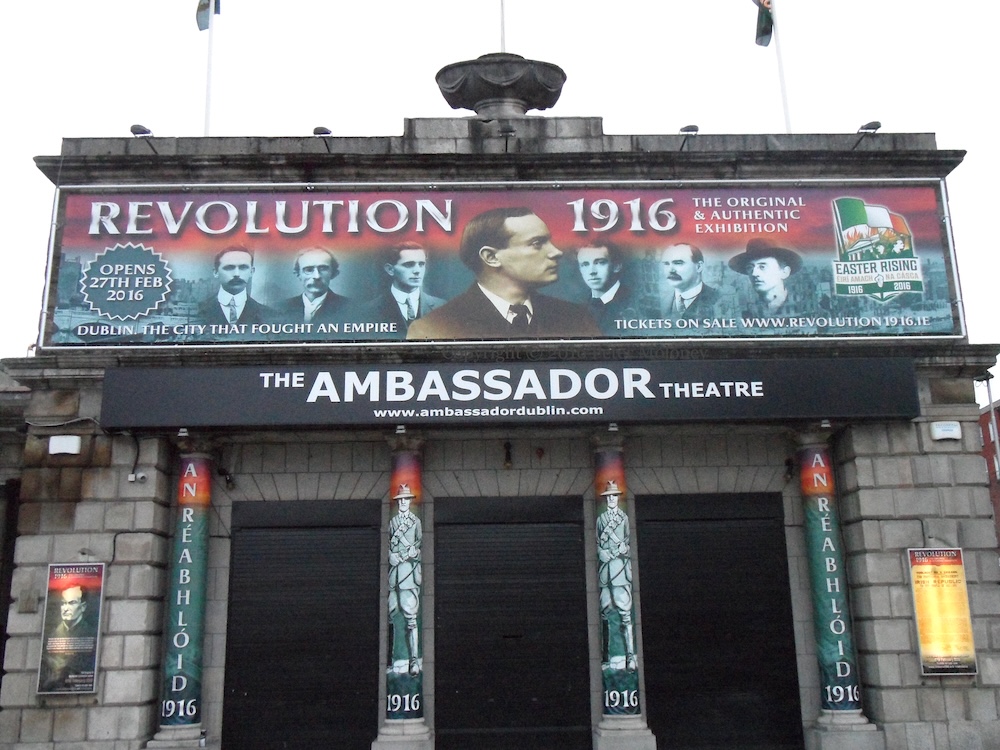
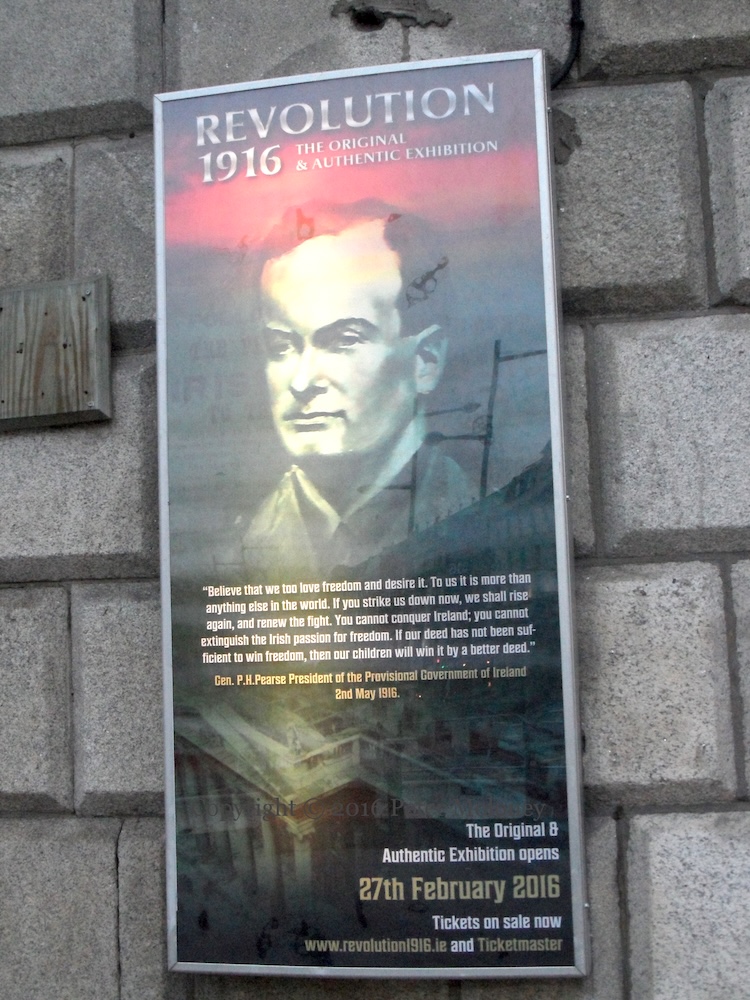
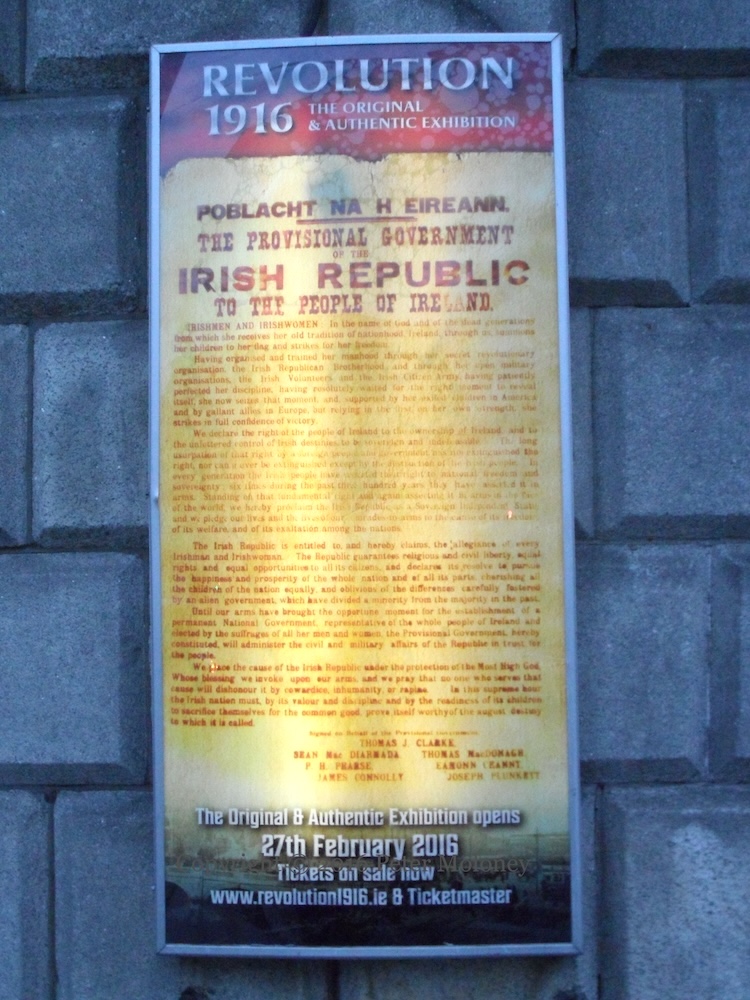
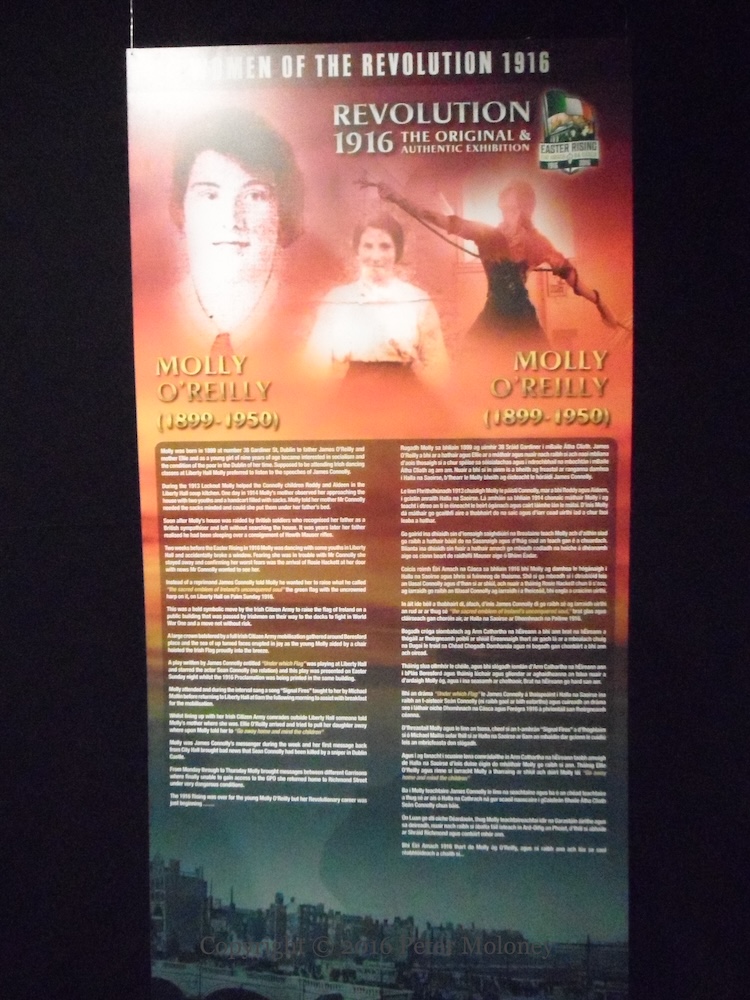
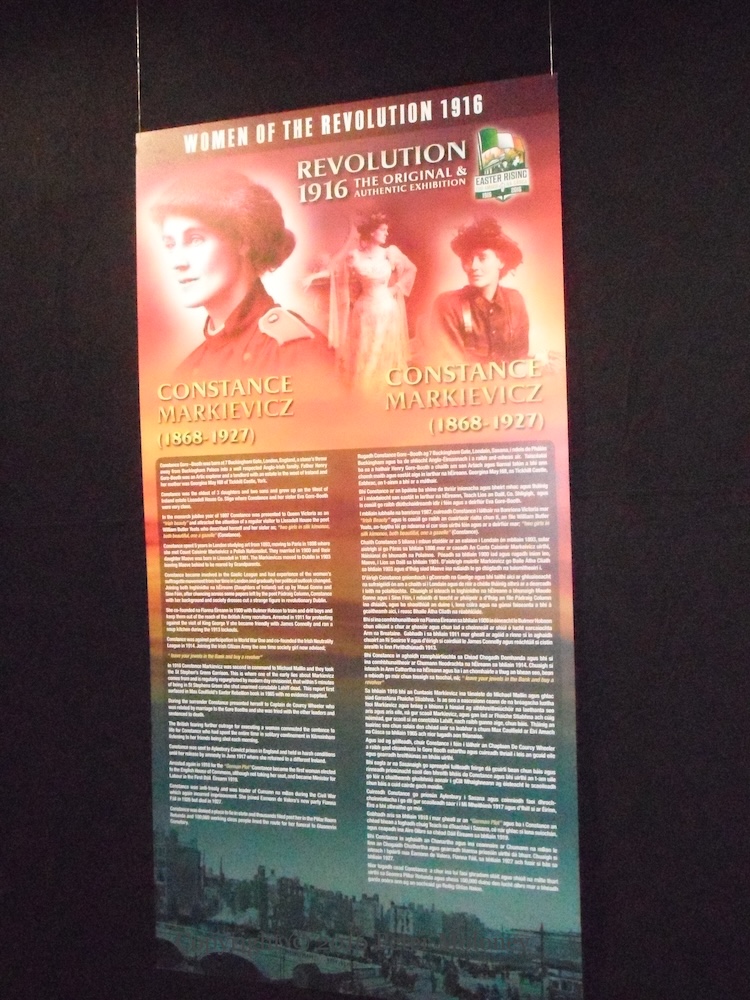
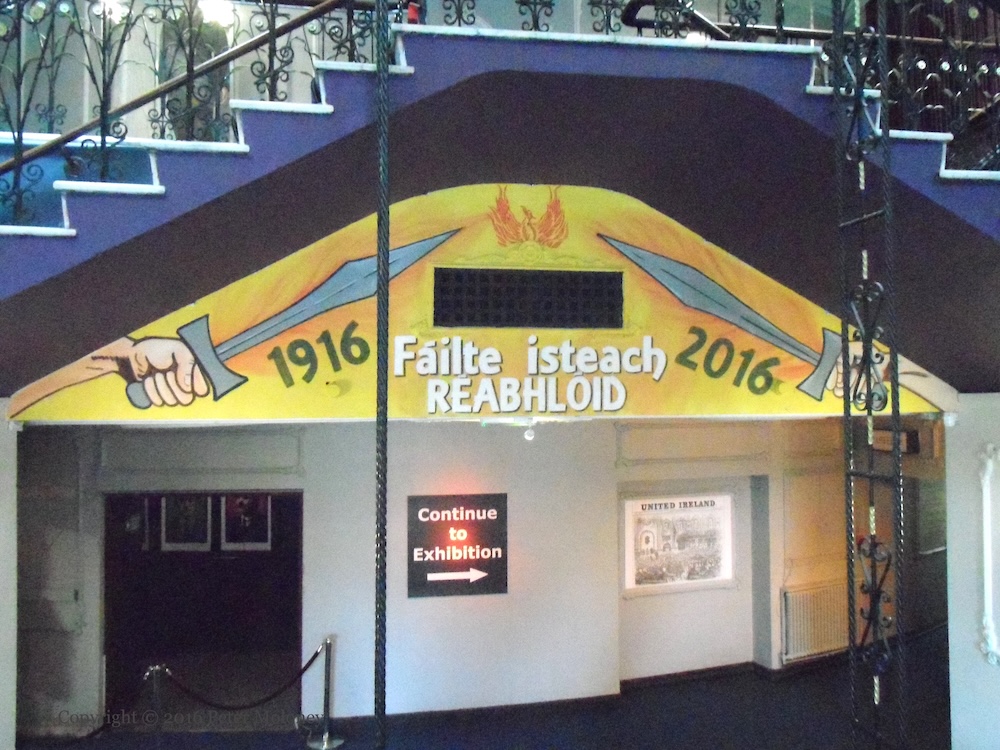
The ‘Revolution 1916’ exhibition commemorating the Easter Rising opened on February 27th at the Ambassador theatre in Dublin, “the city that fought an empire”. Images of some of the pieces on display can be seen in this An Phoblacht article.
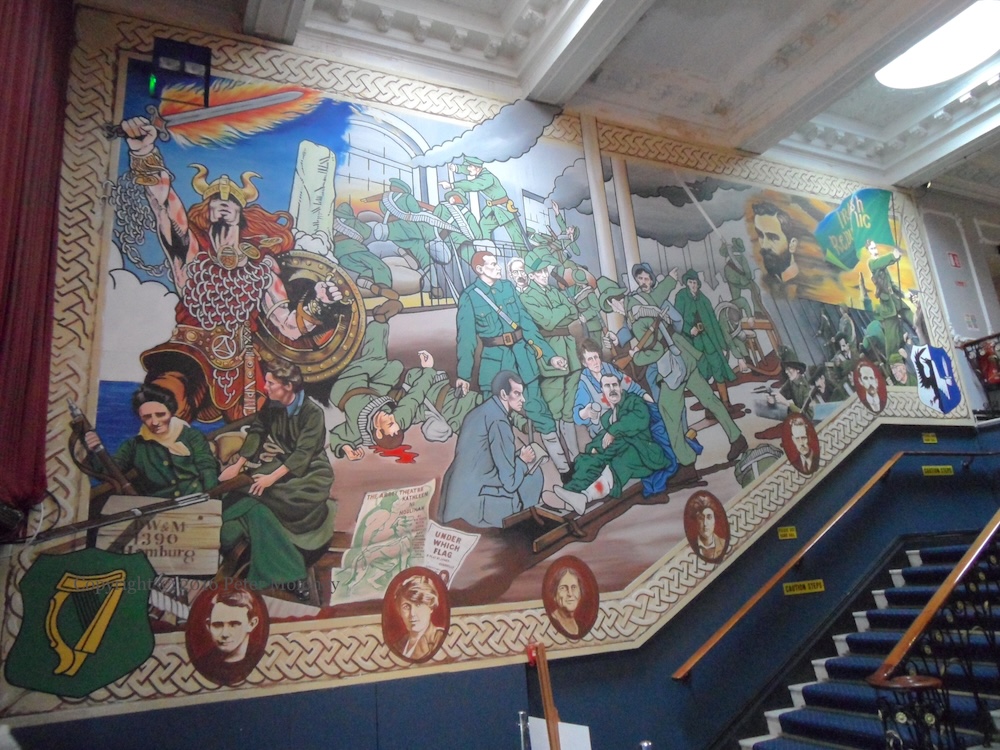
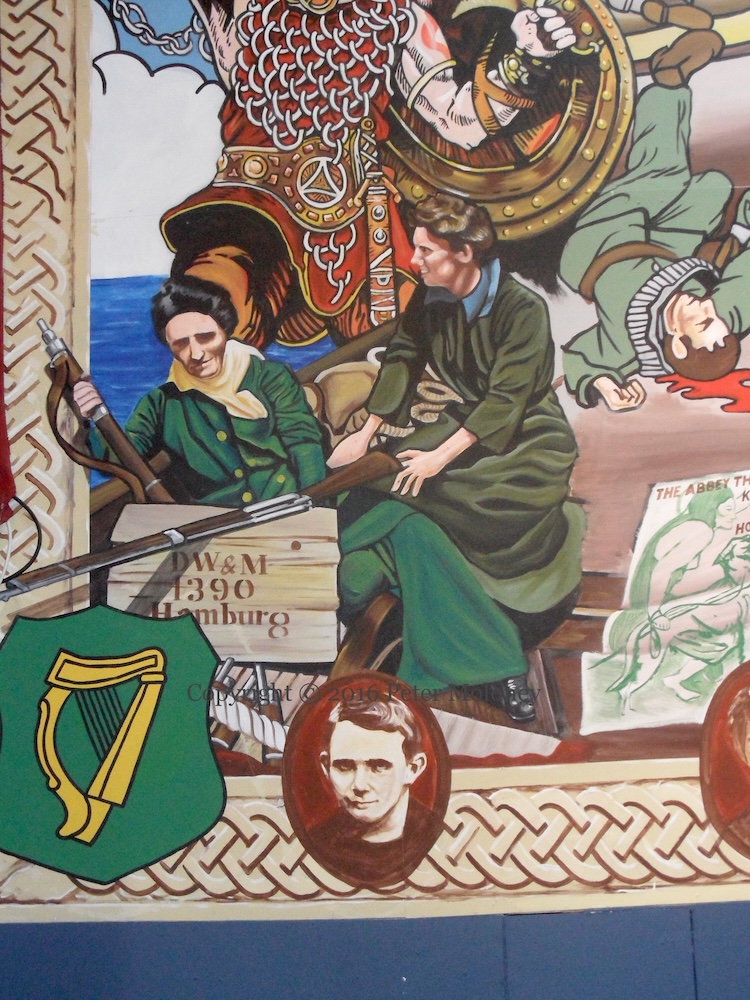
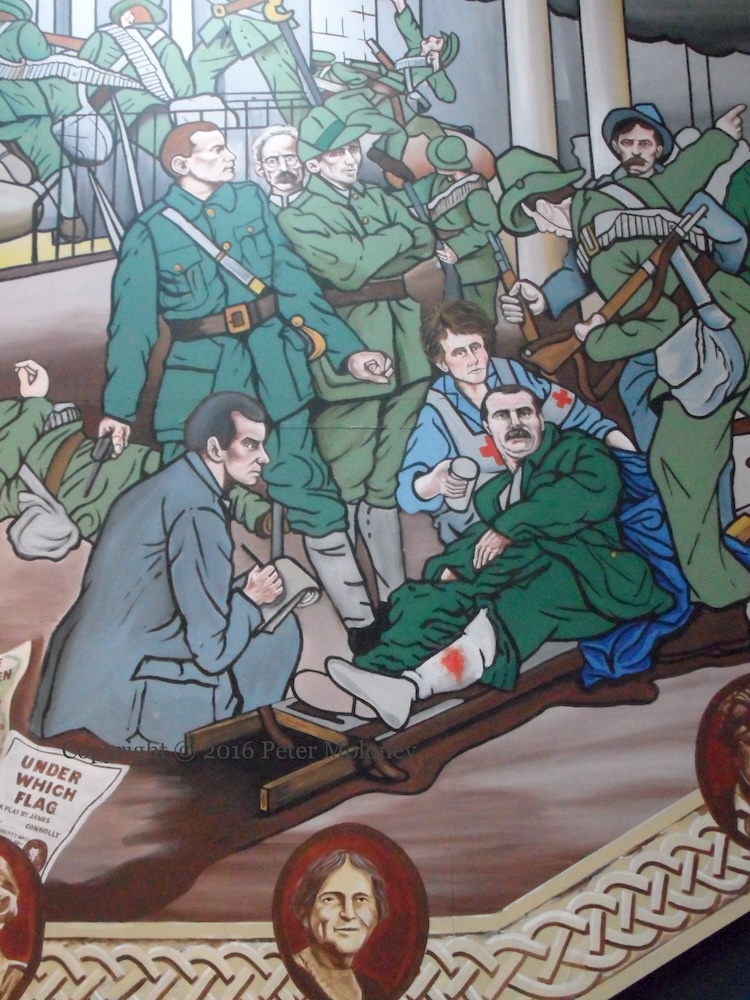
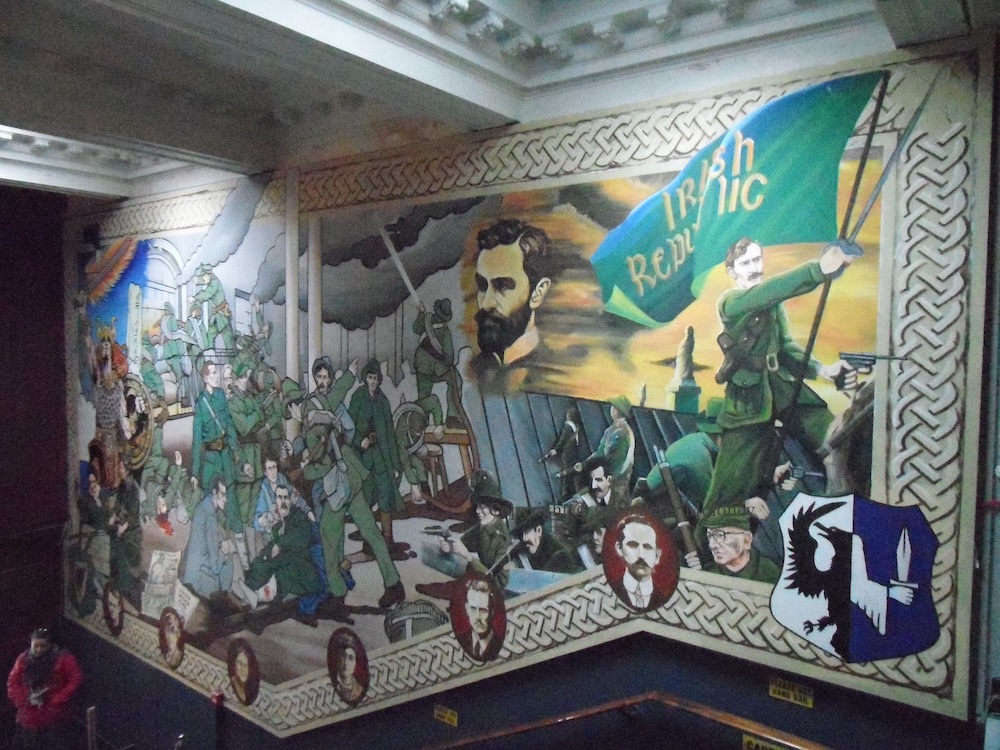
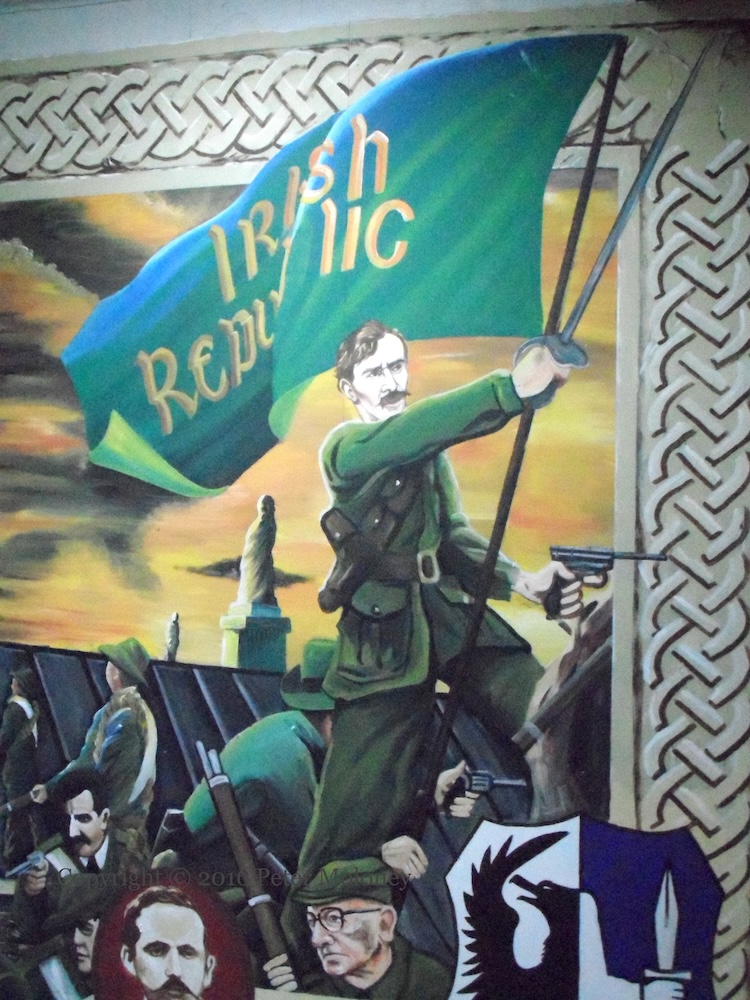
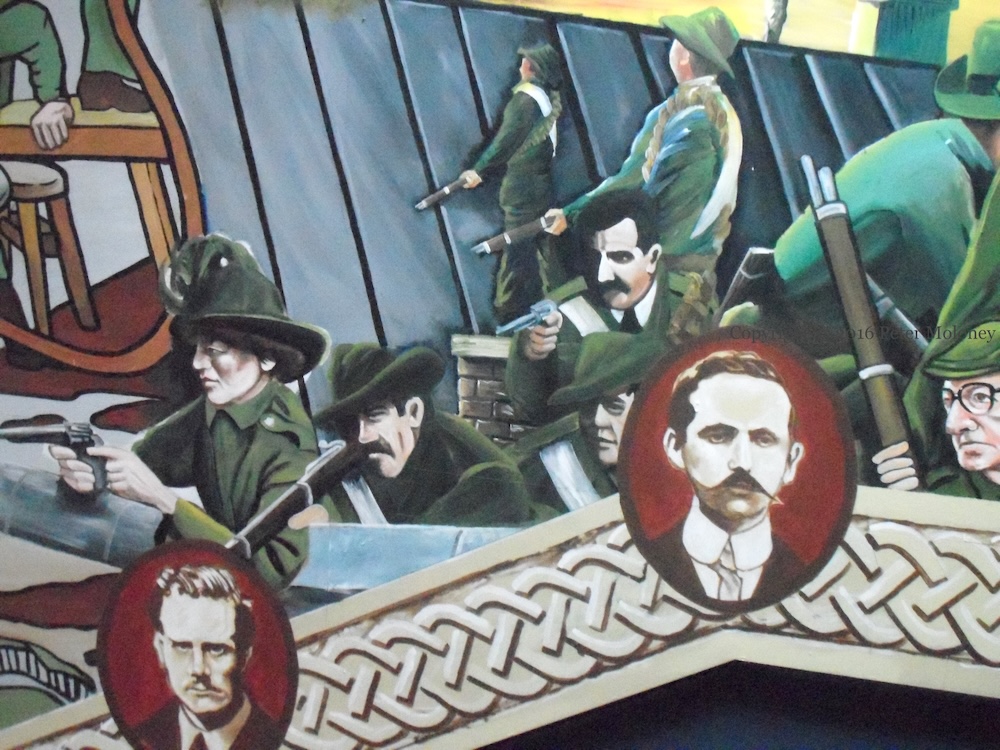
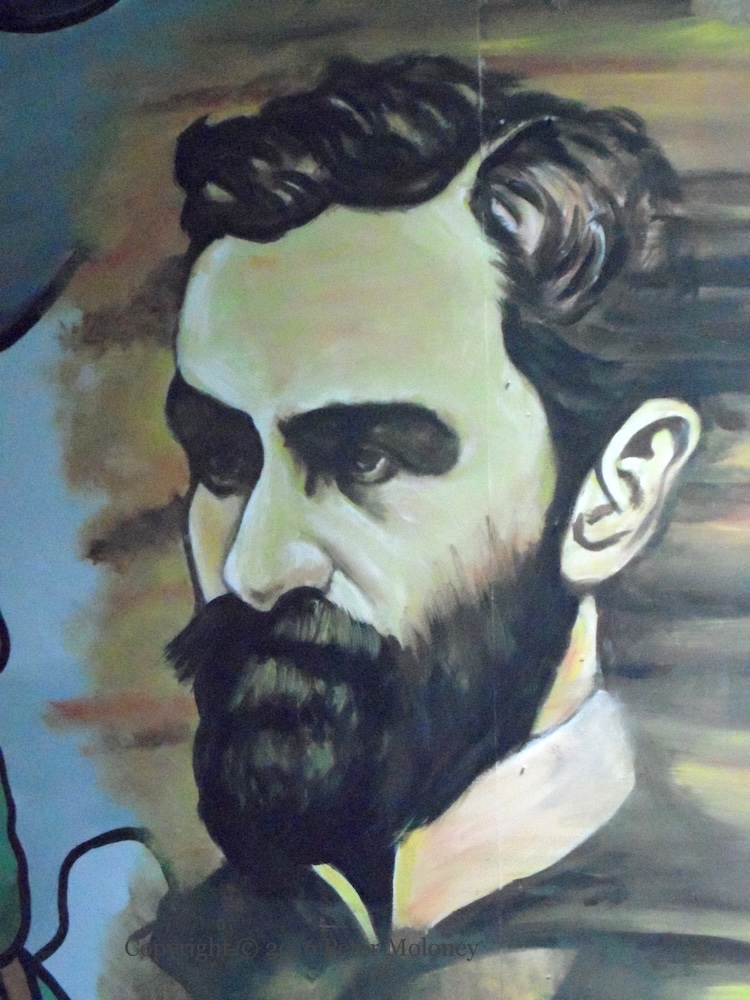
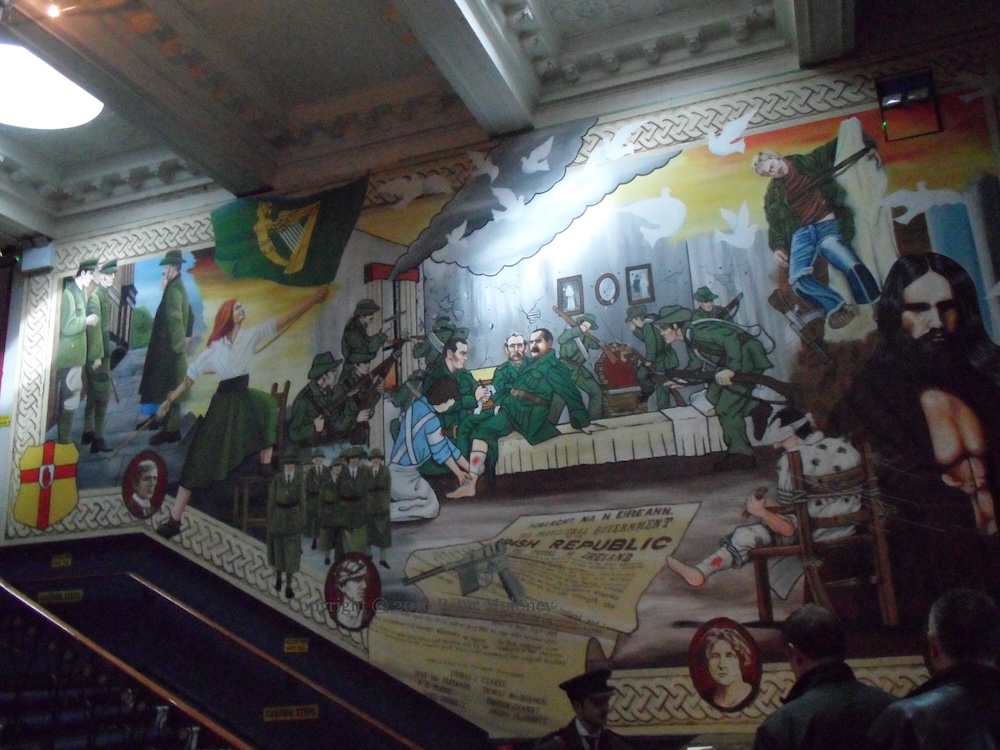
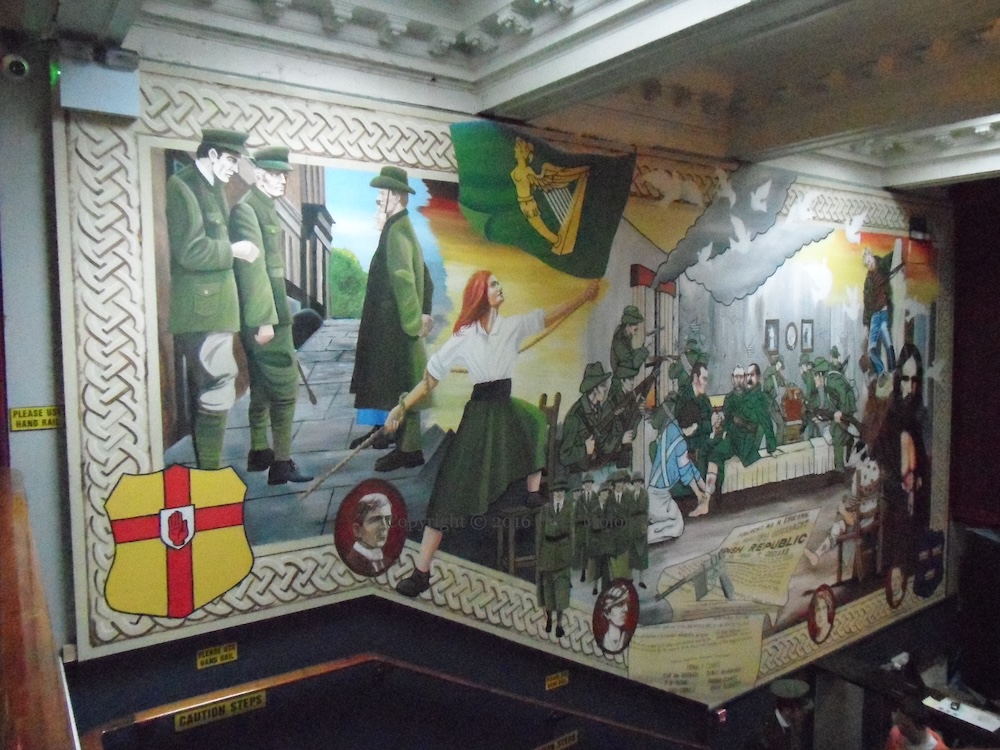
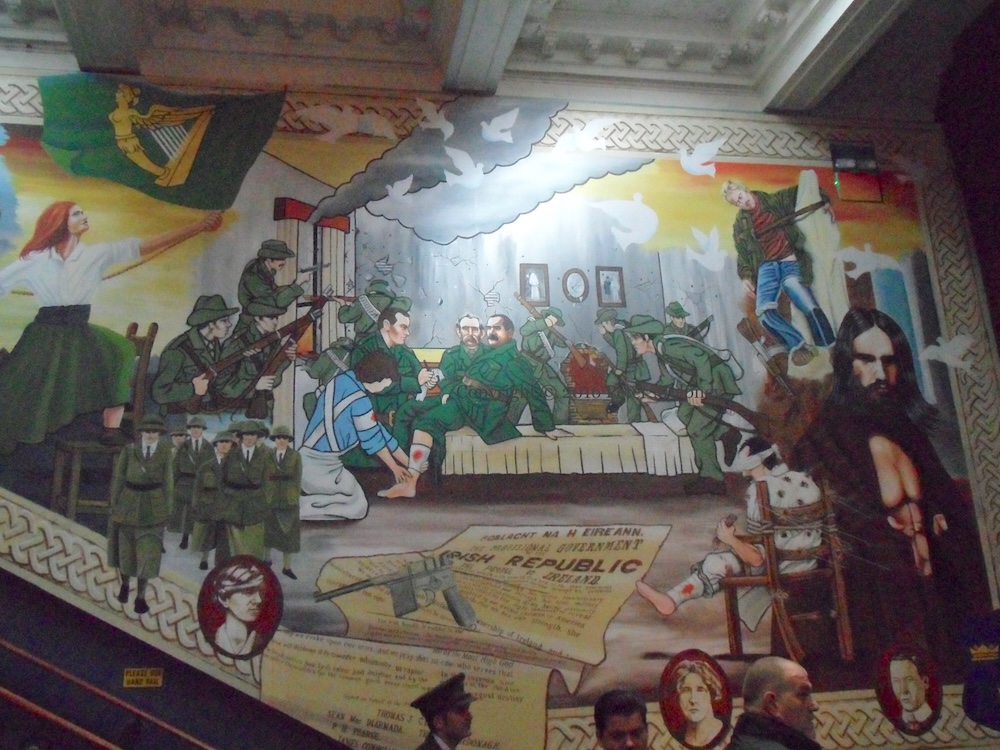
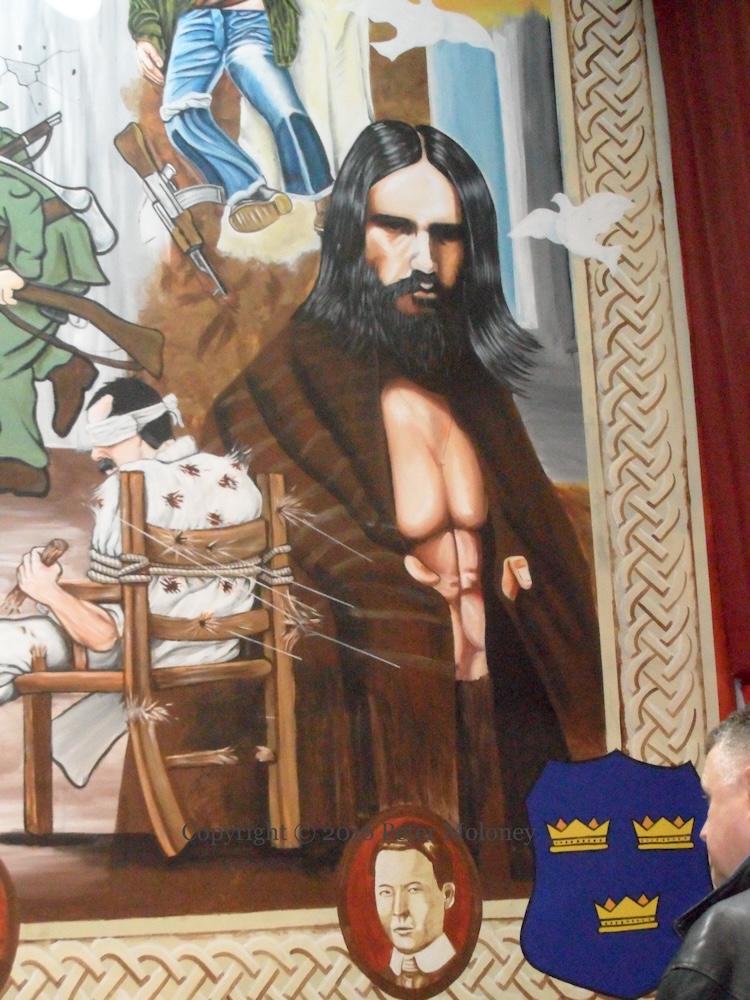
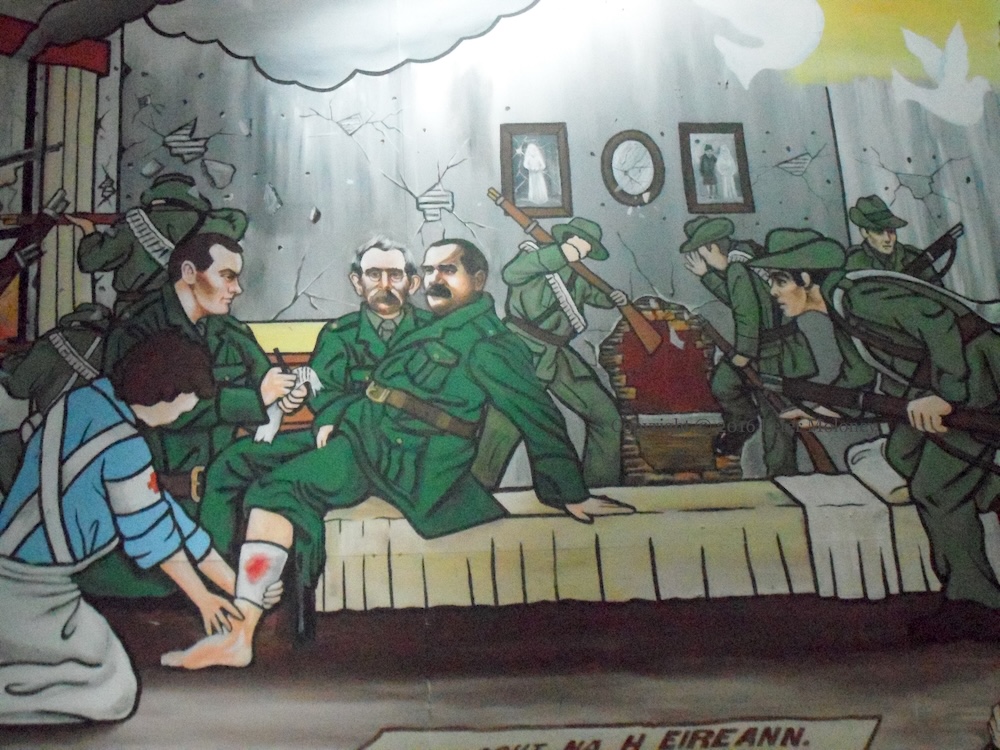
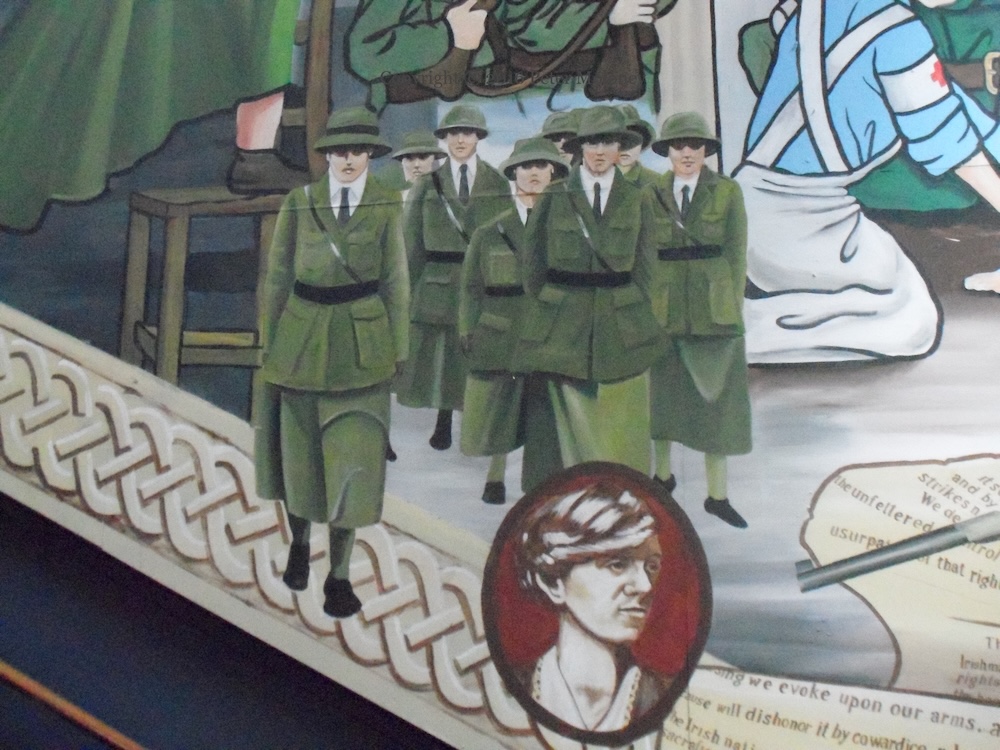
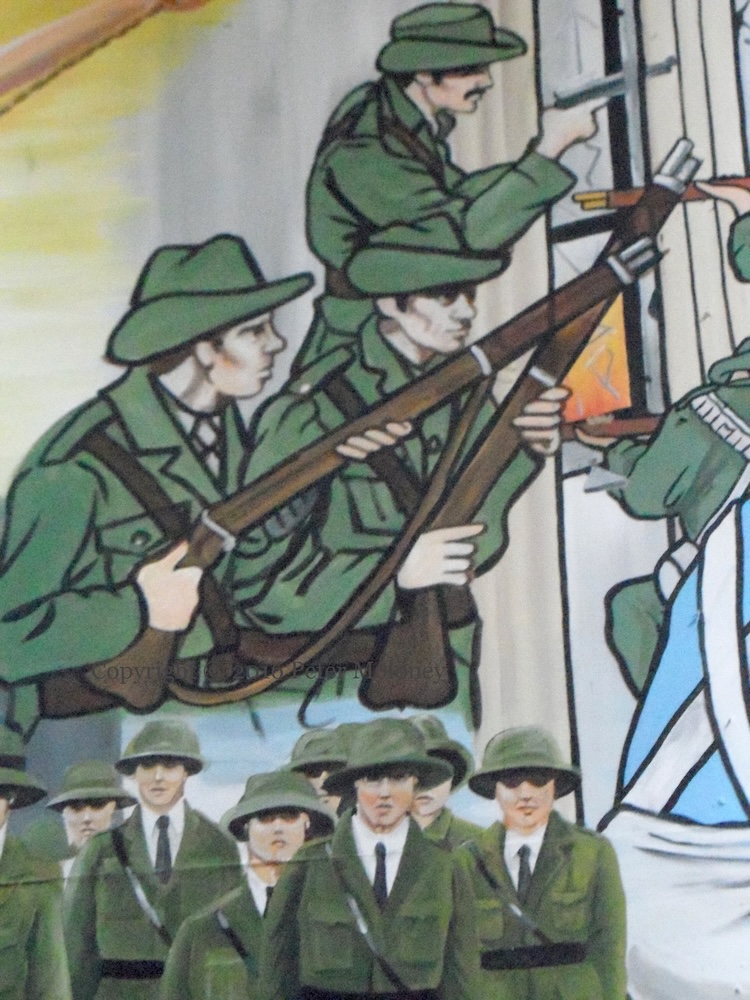
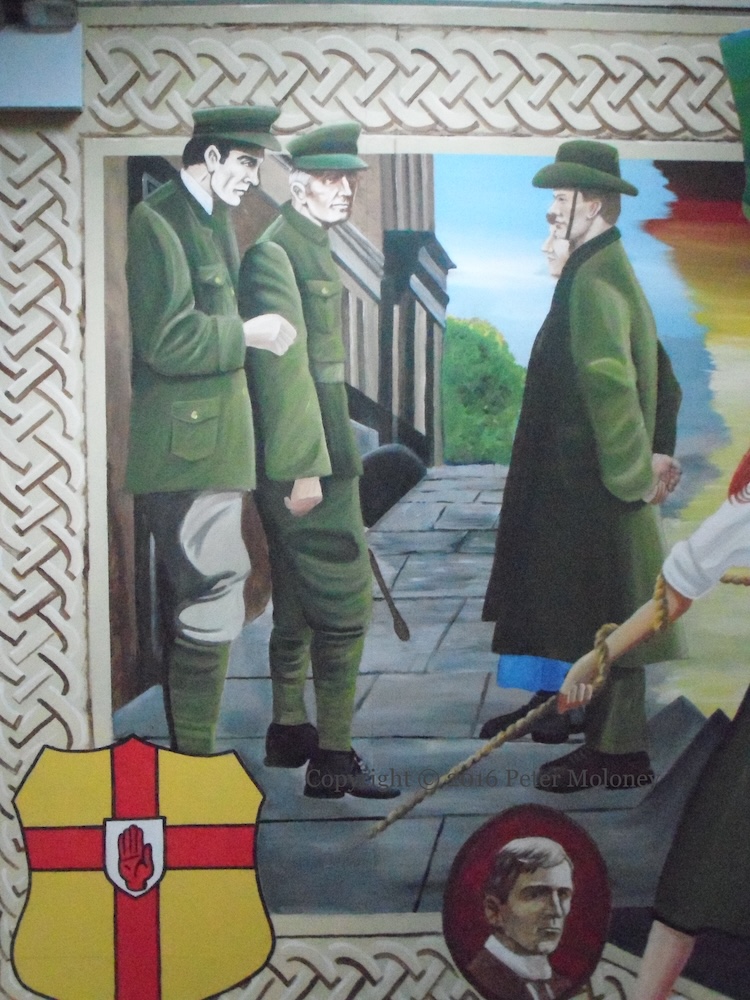
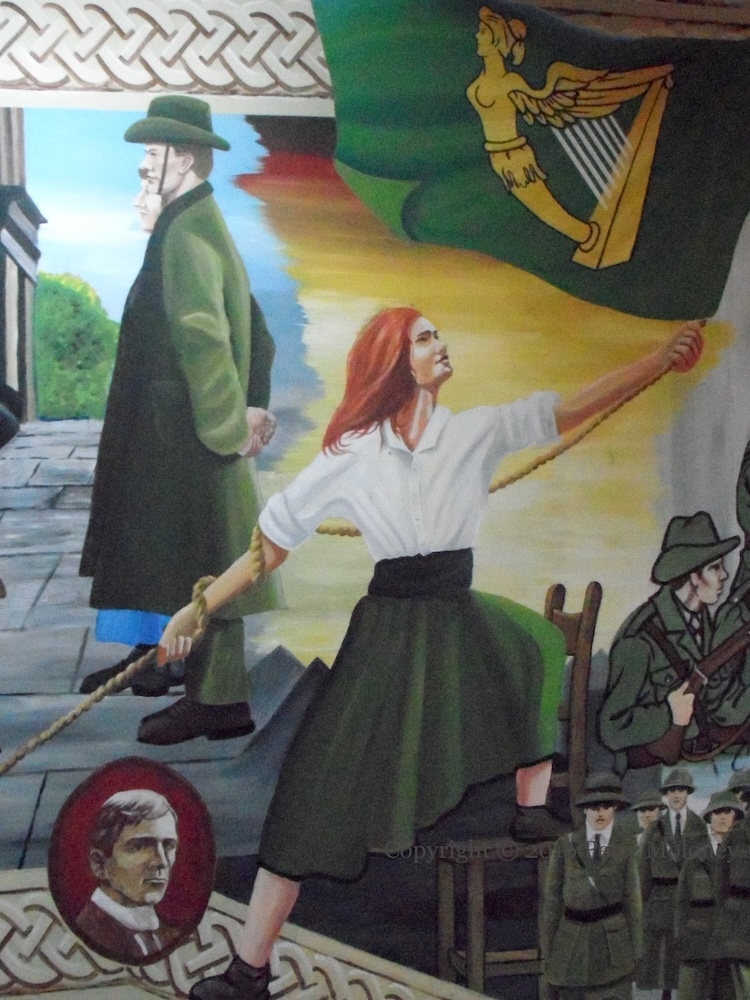
In addition to the artefacts and recreated locations, two murals were painted by three Belfast artists depicting Irish culture and the republican struggle throughout the ages, from Nuada to the blanket protest. (Here is video of DD talking about the murals – youtube.)
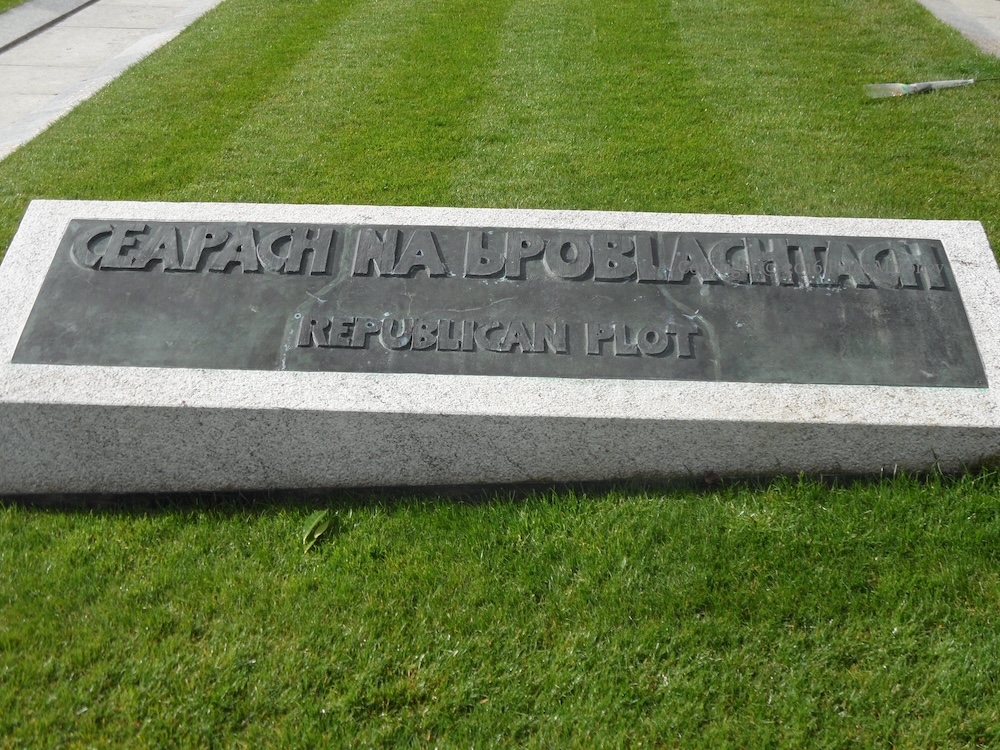
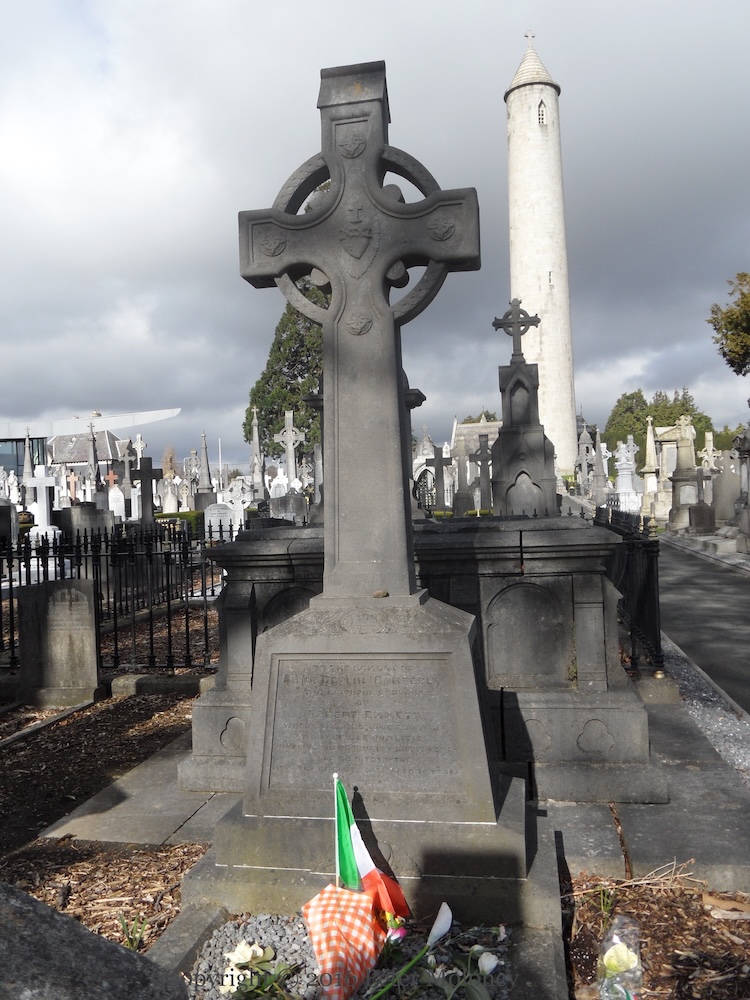
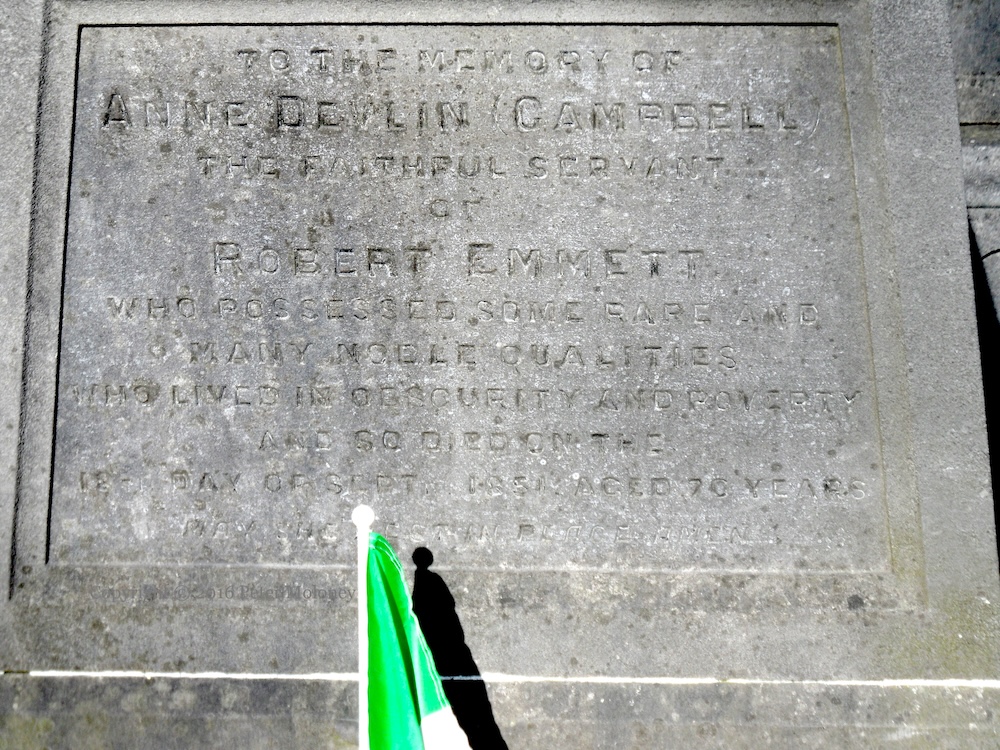
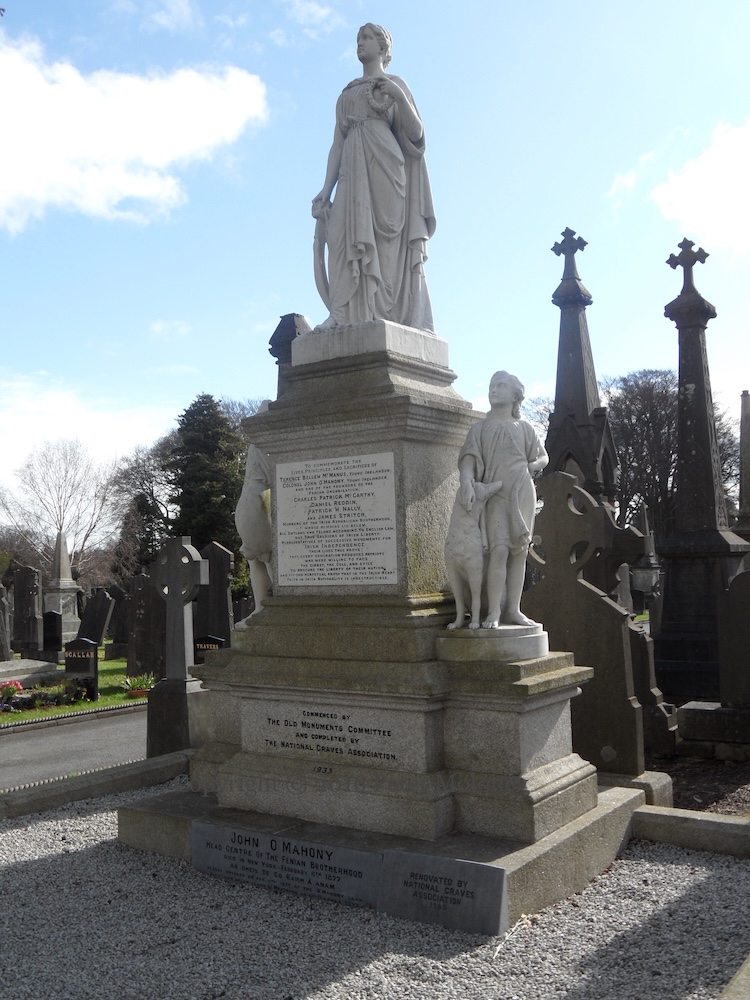
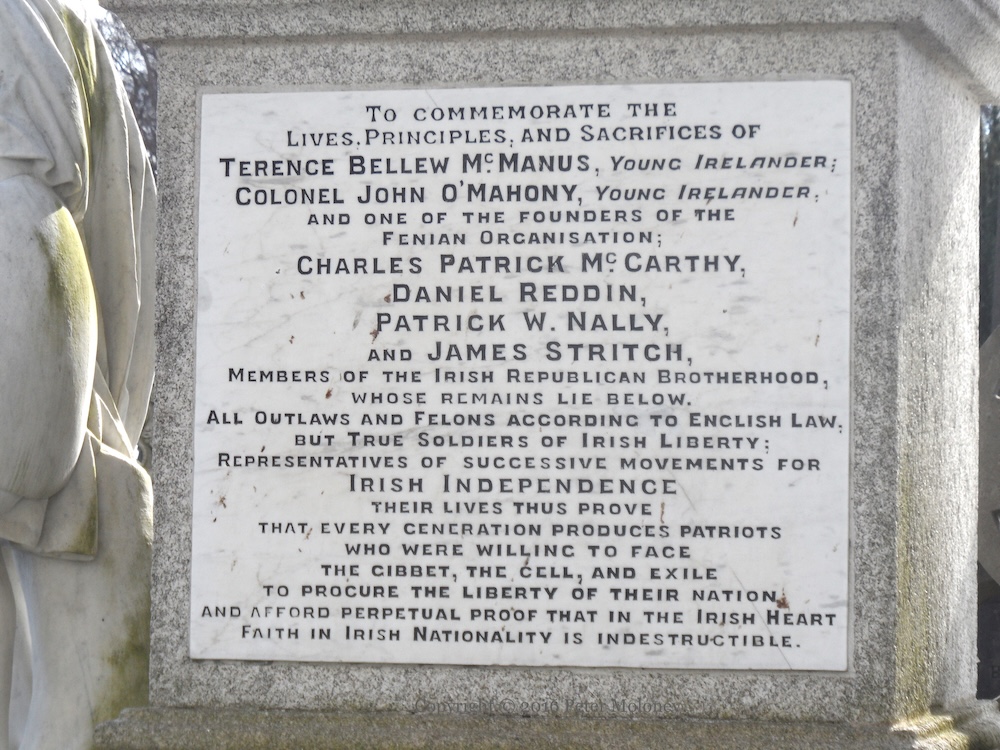
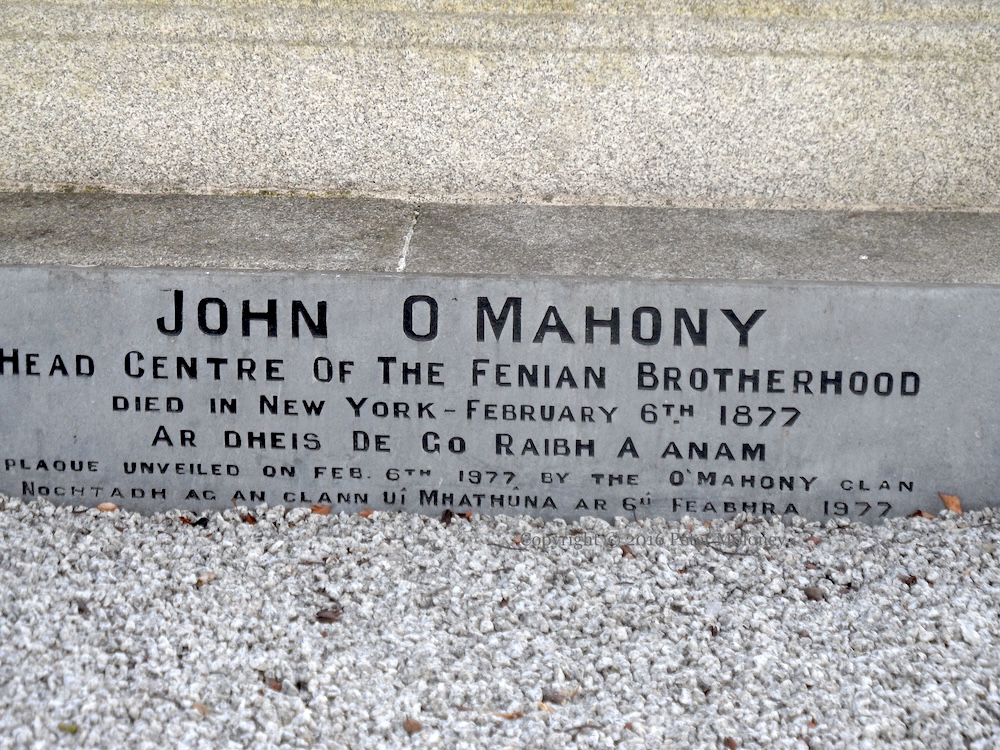
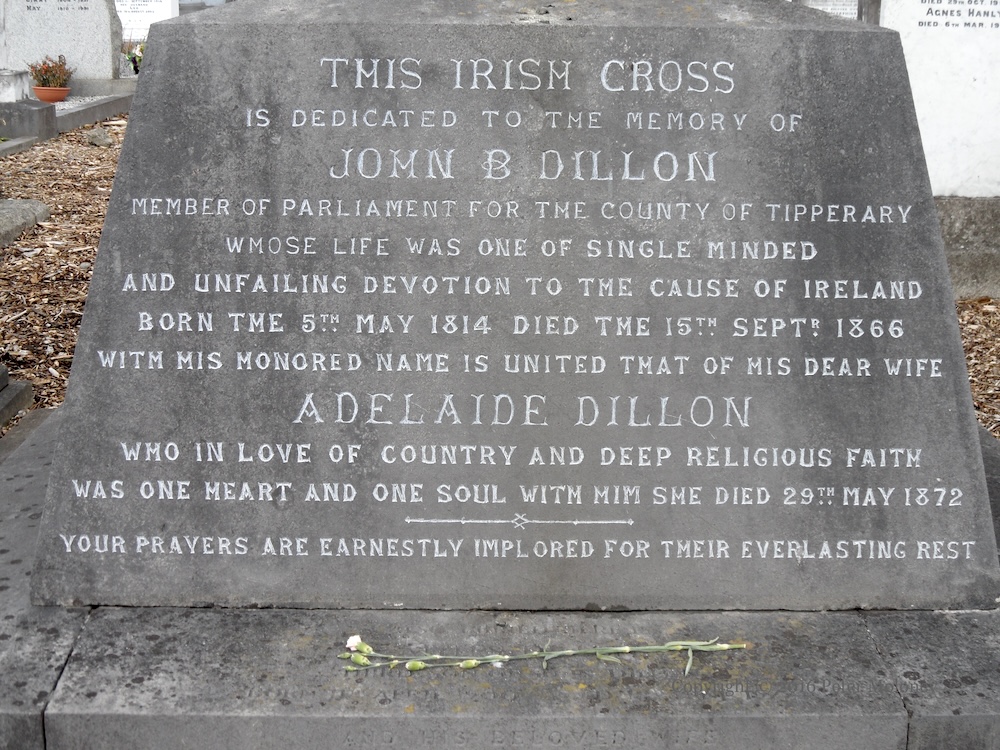
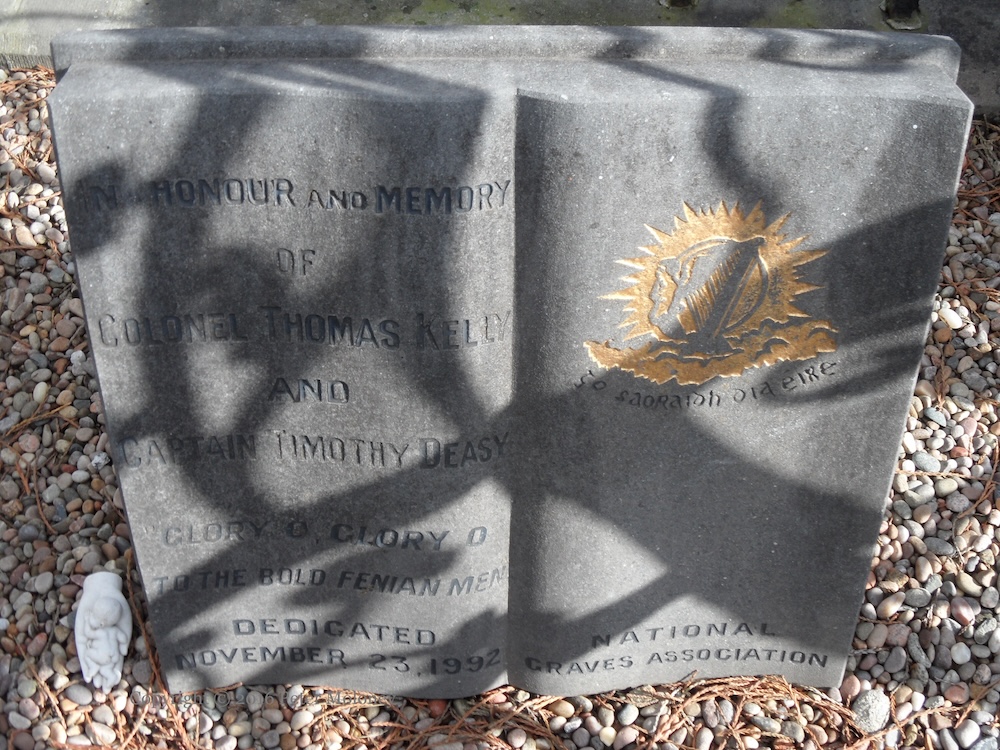
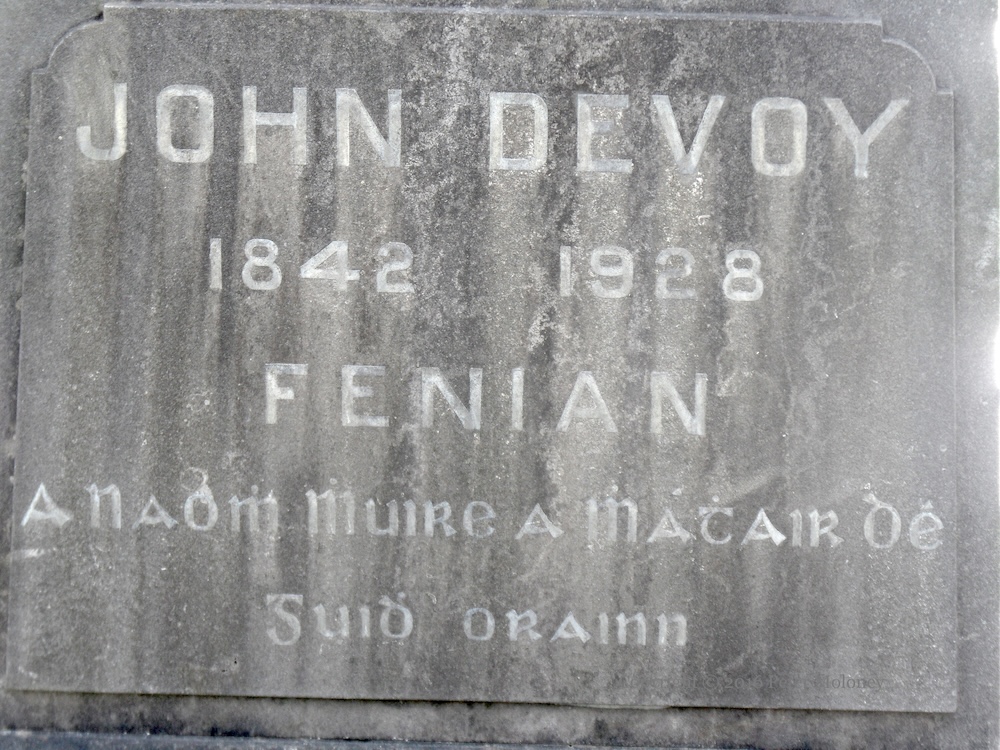
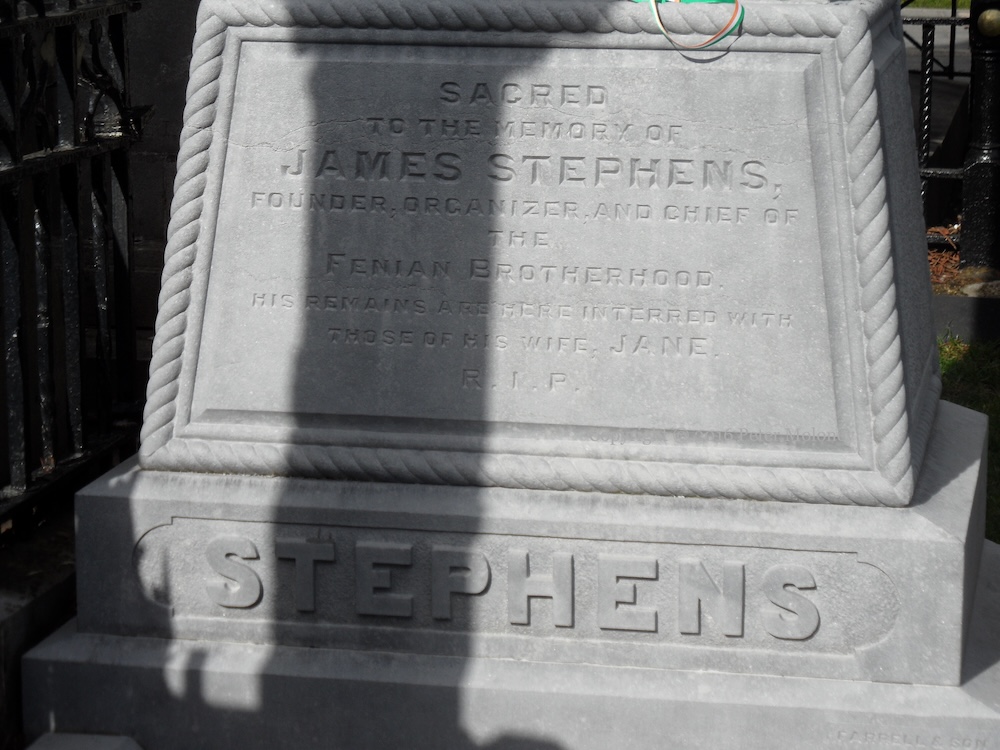
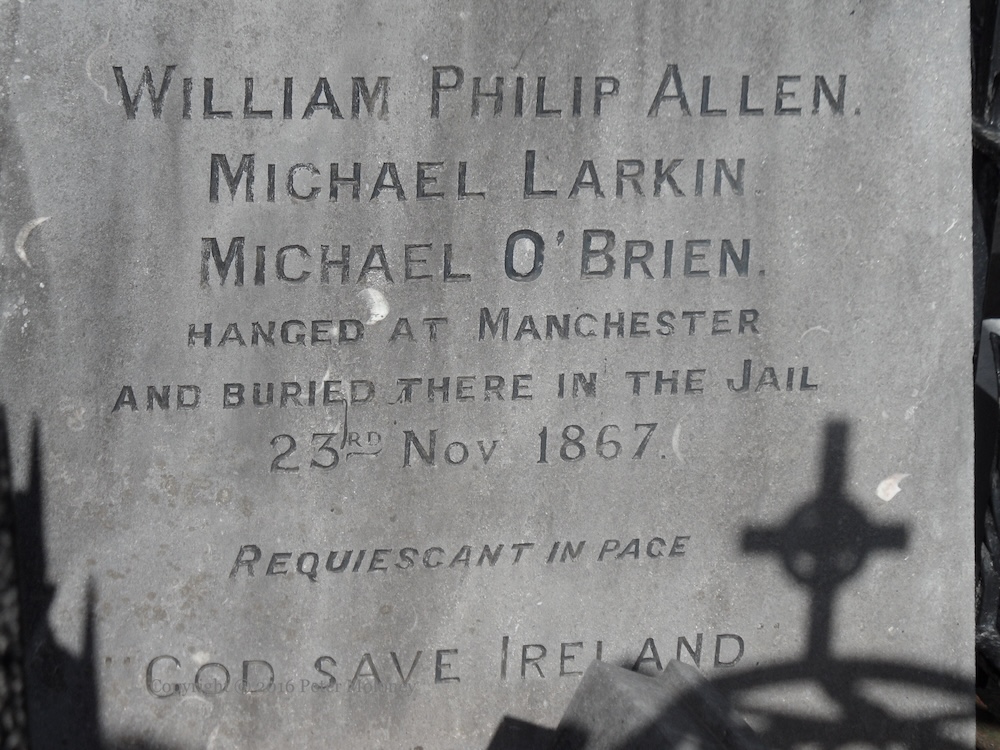
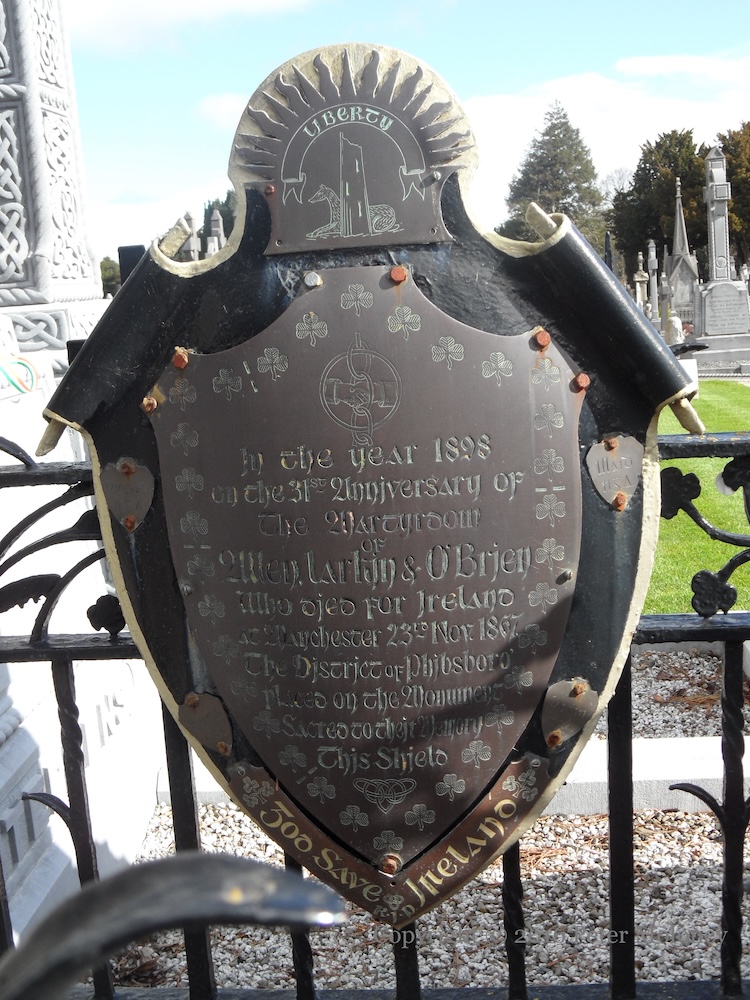
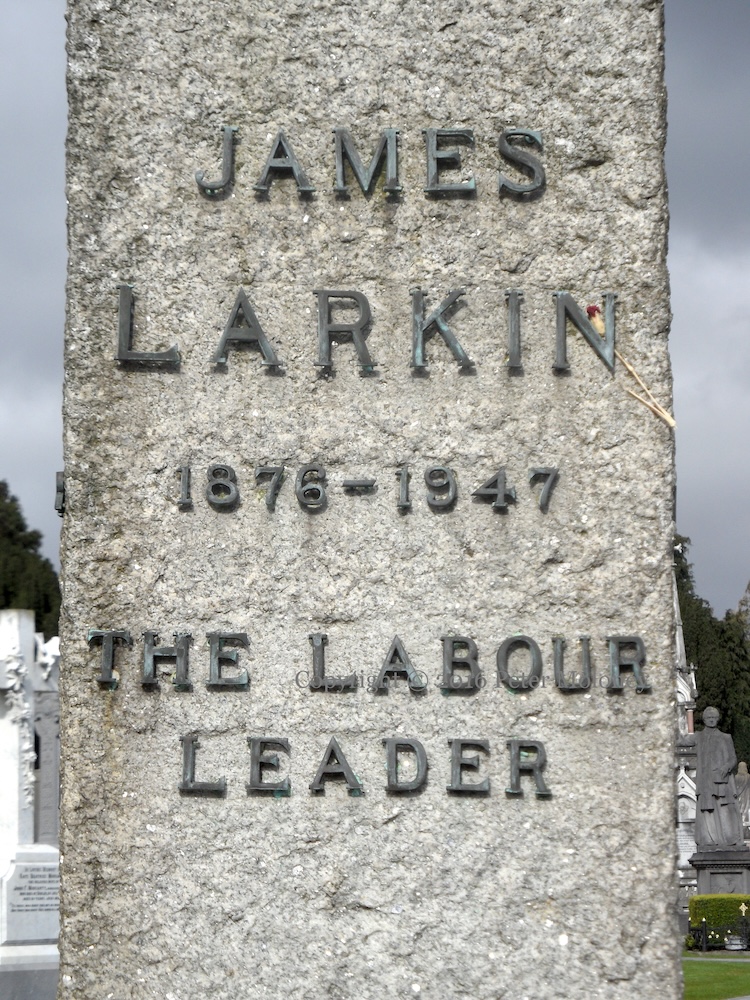
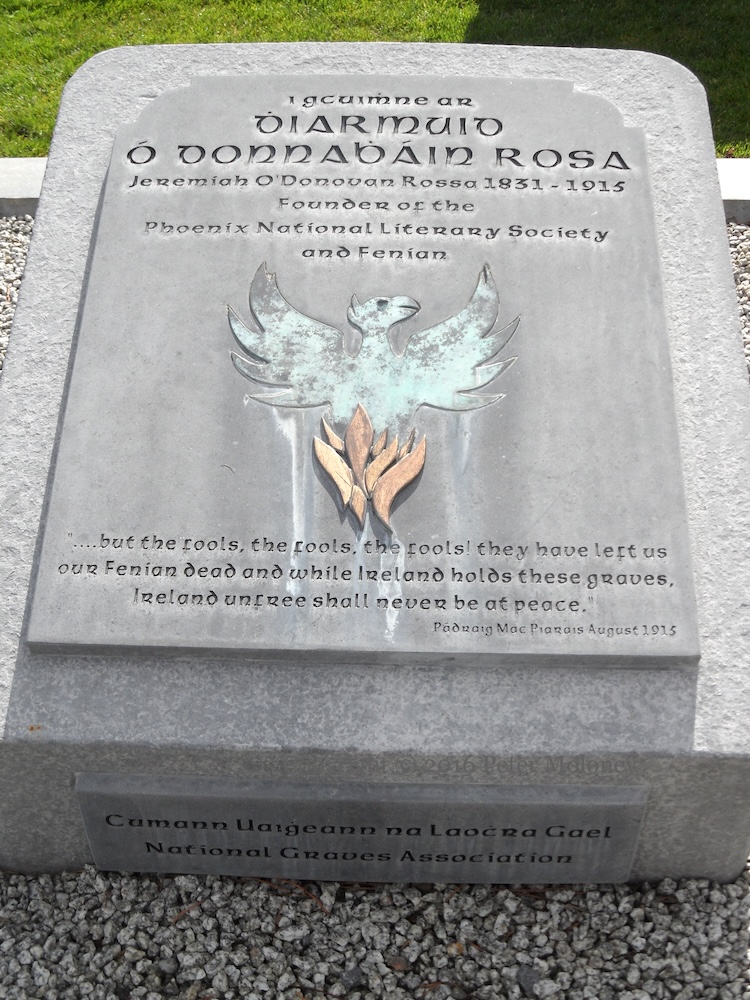
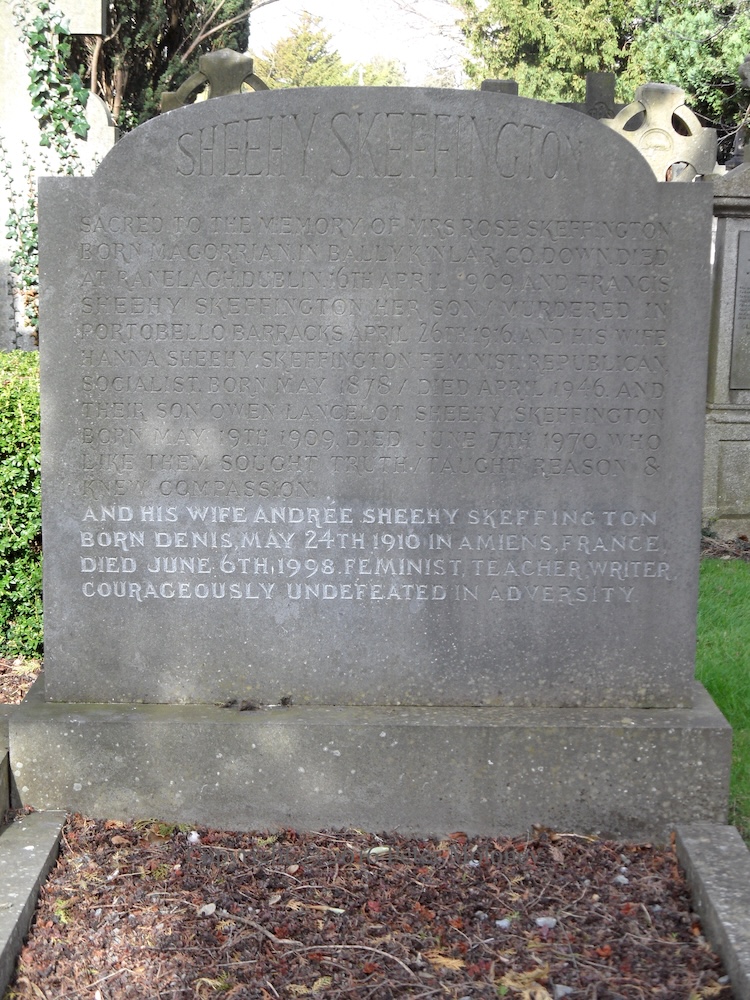
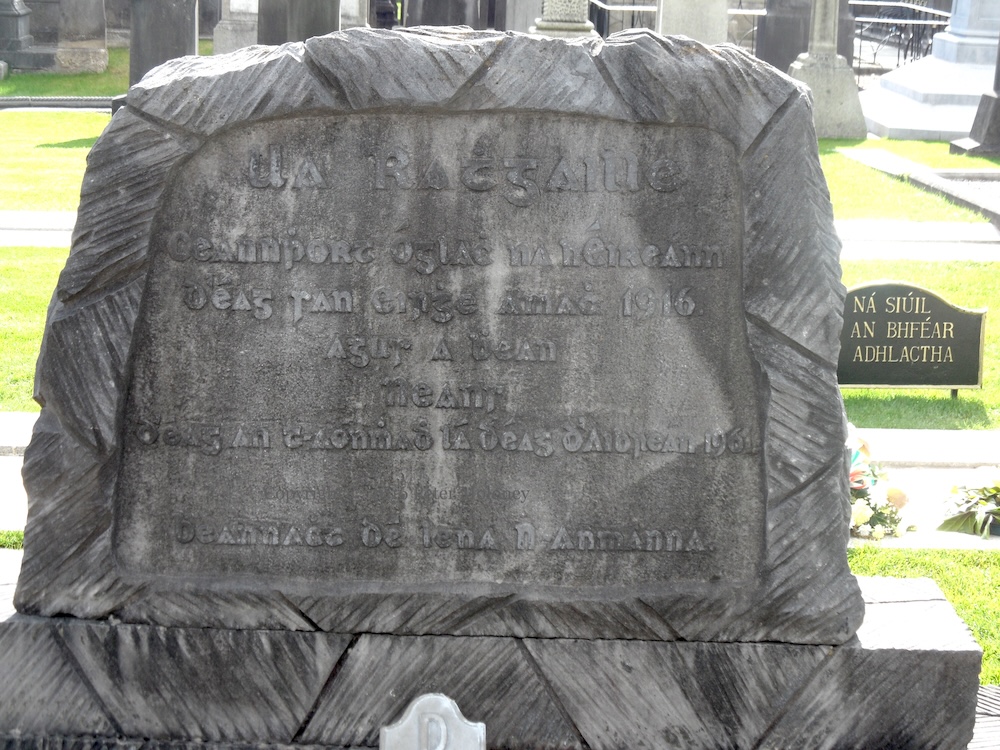
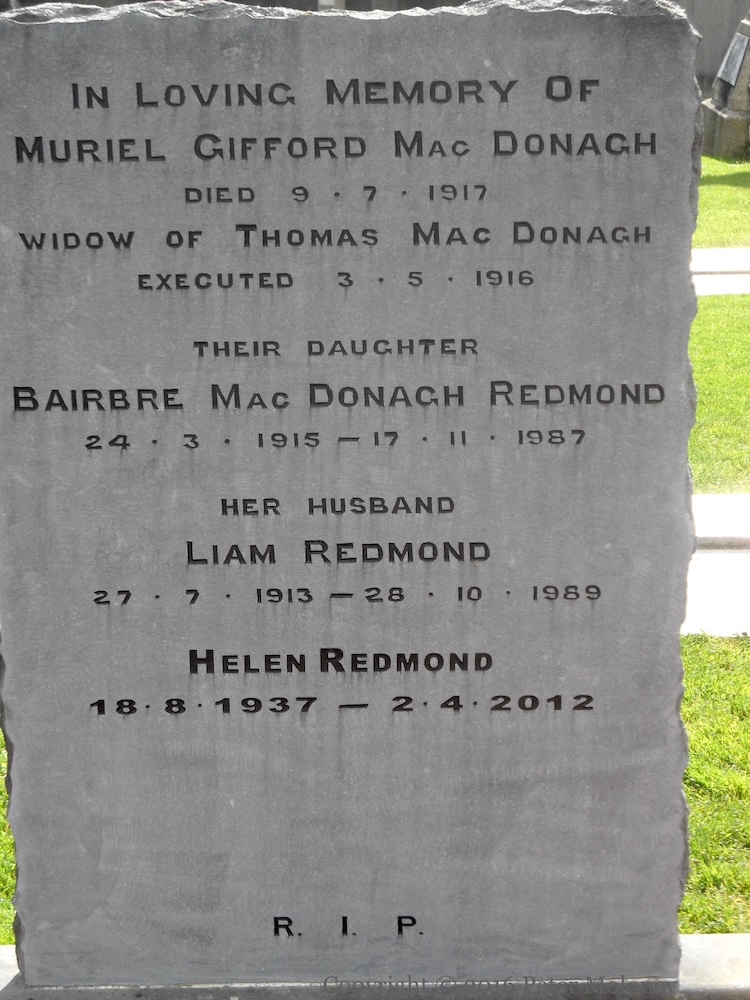
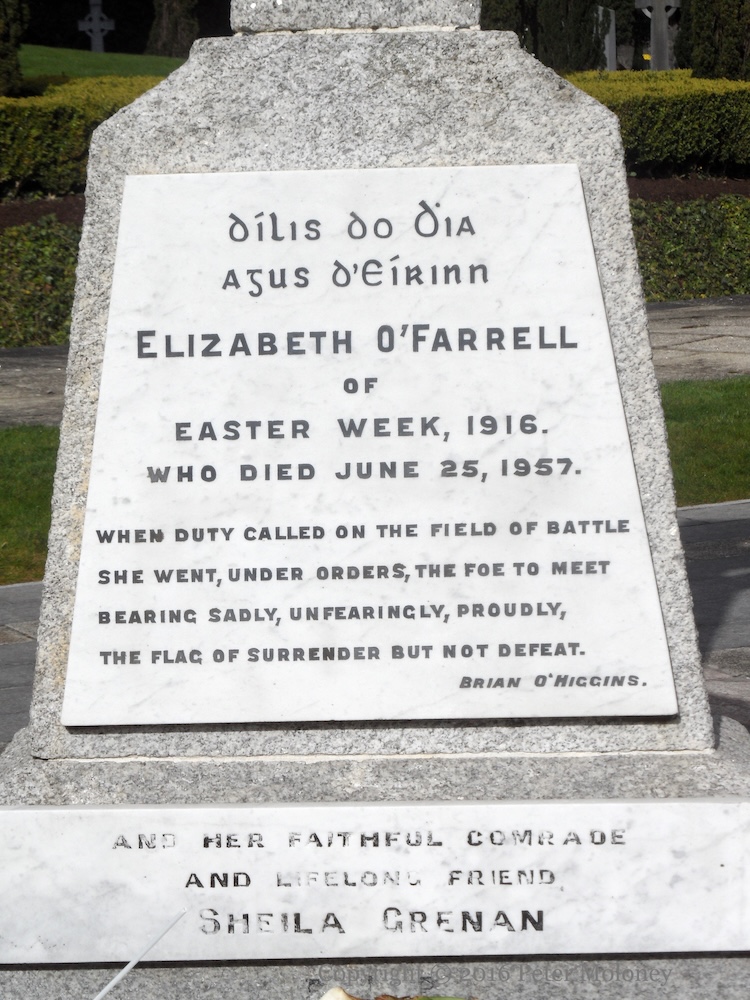
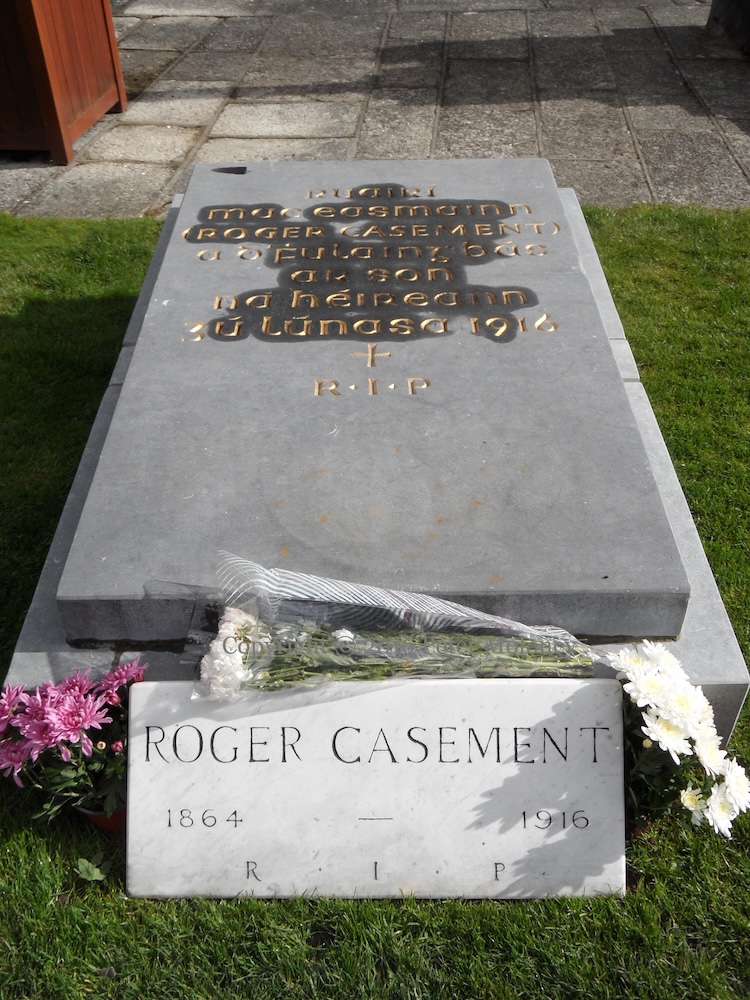
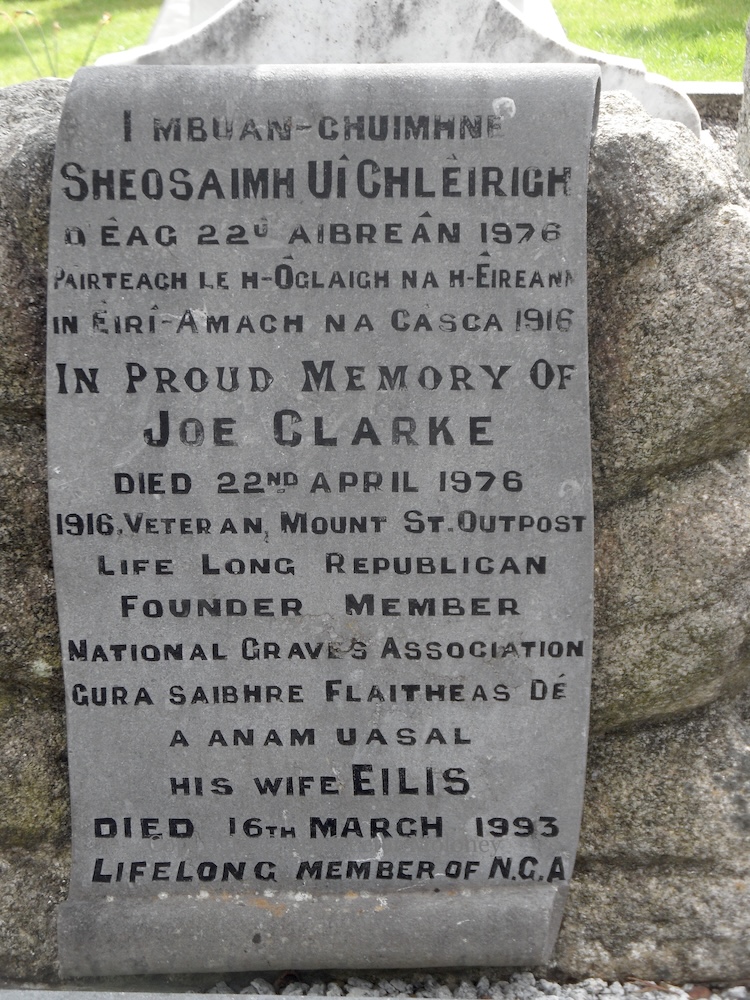
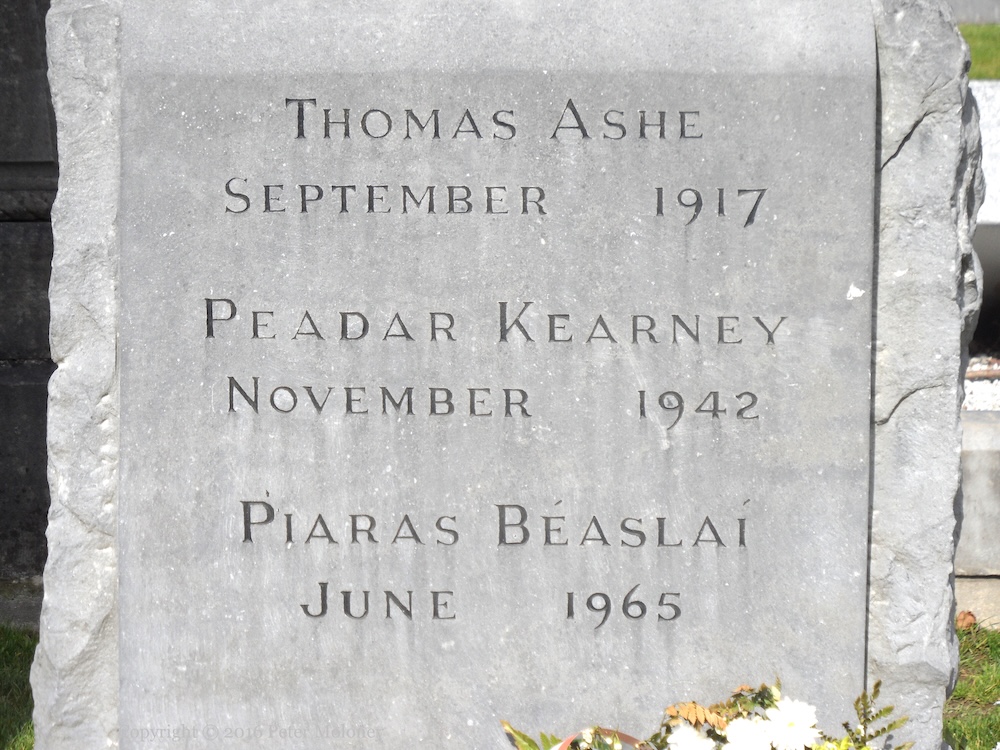
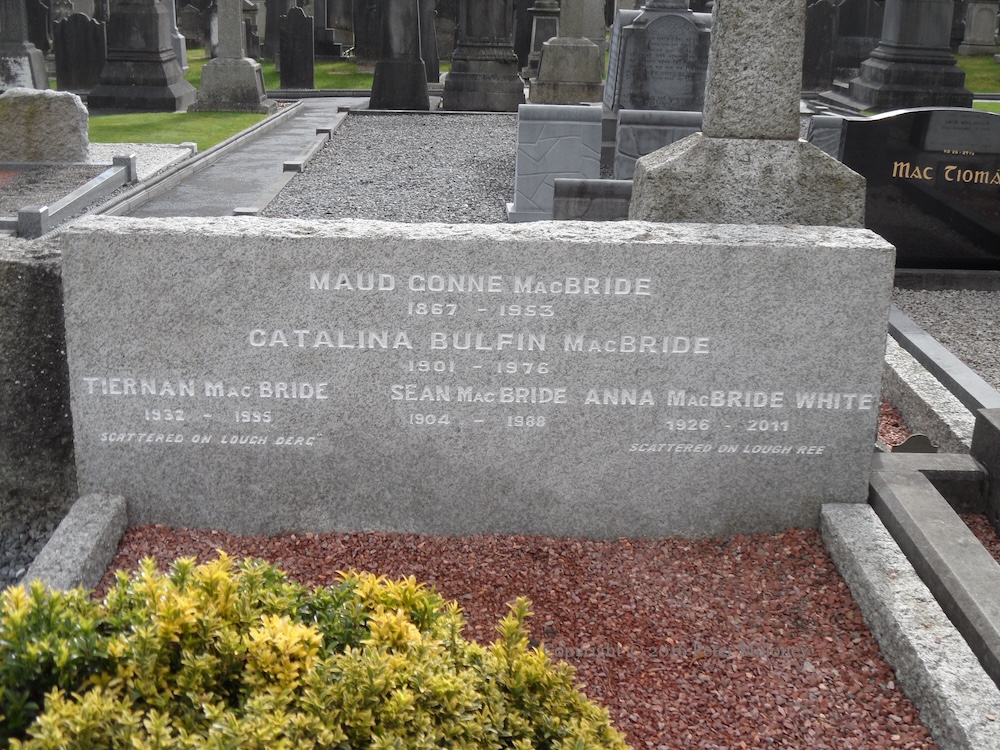
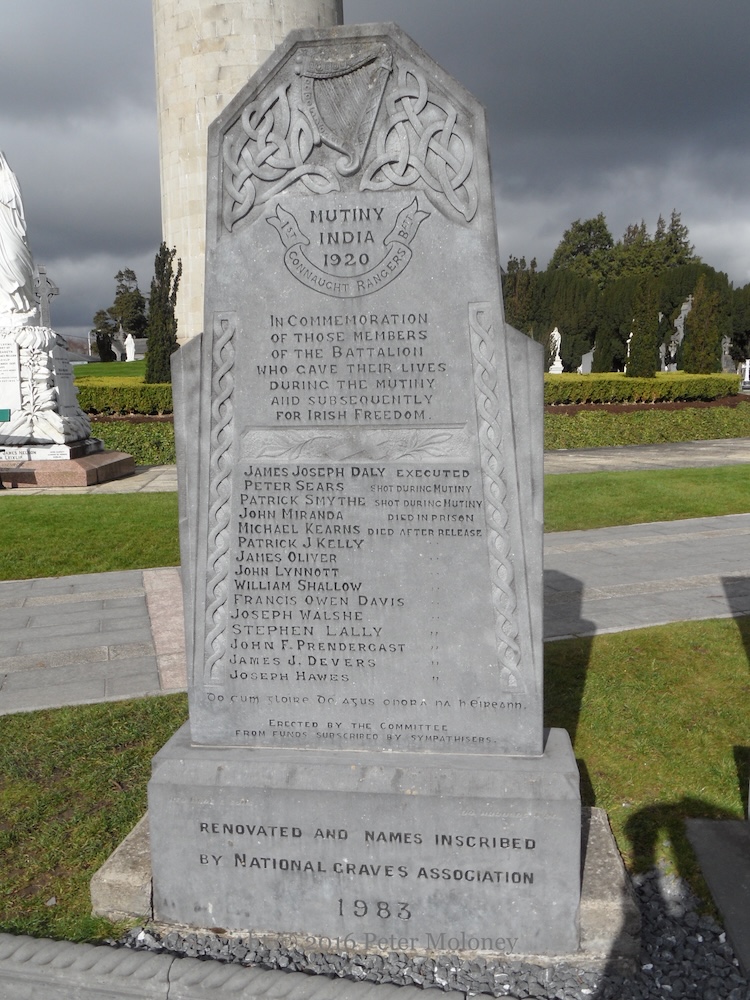
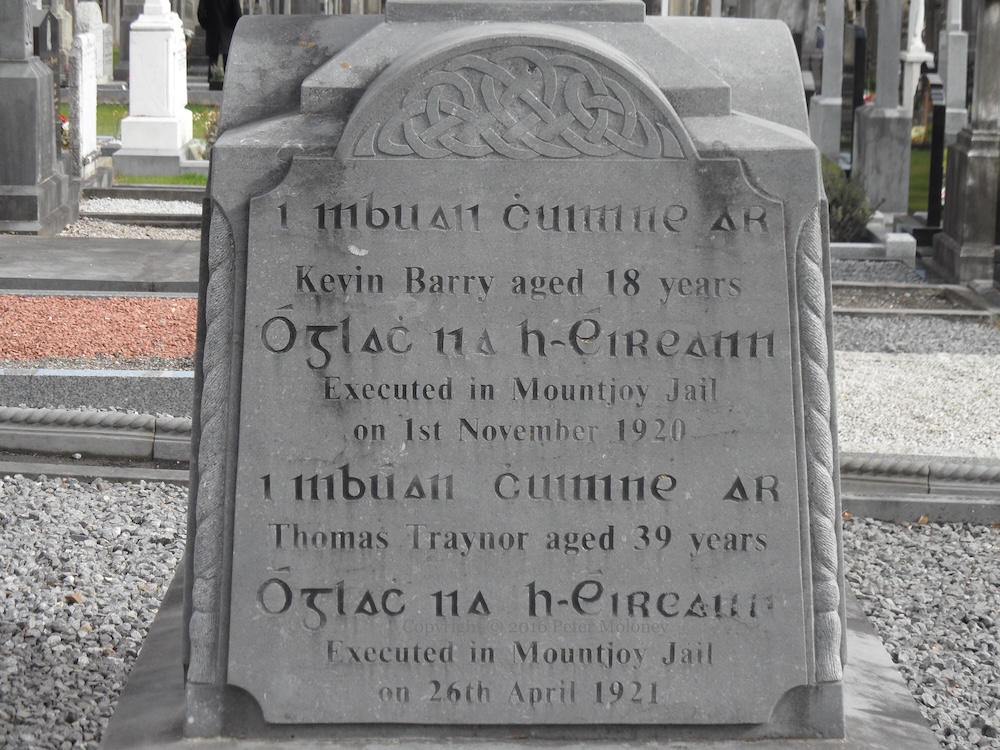
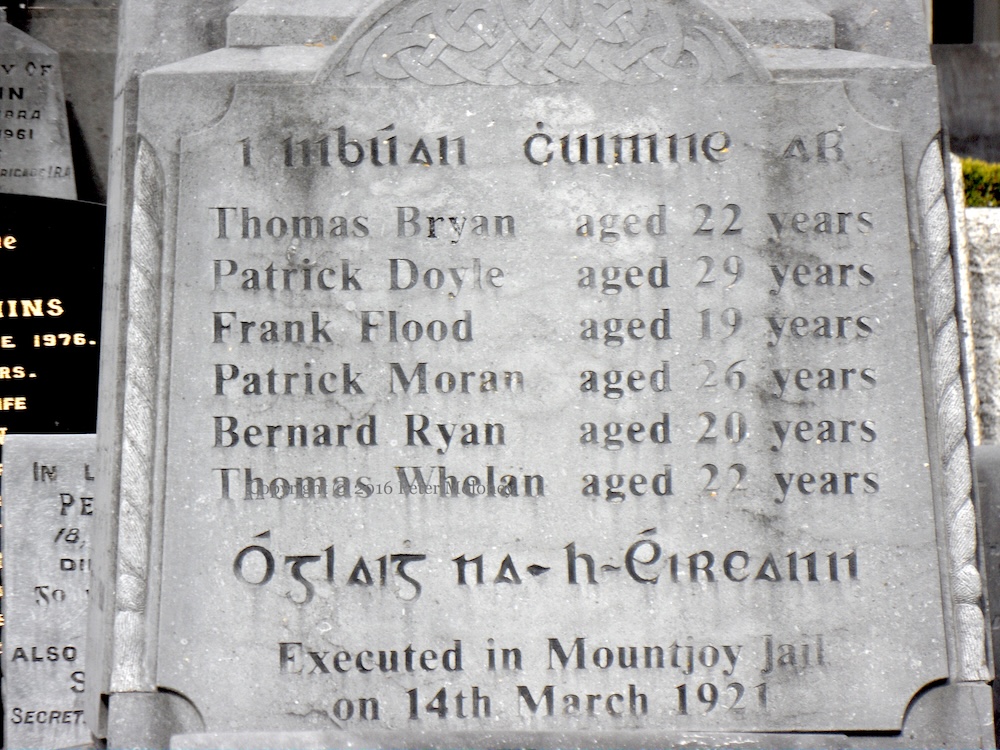
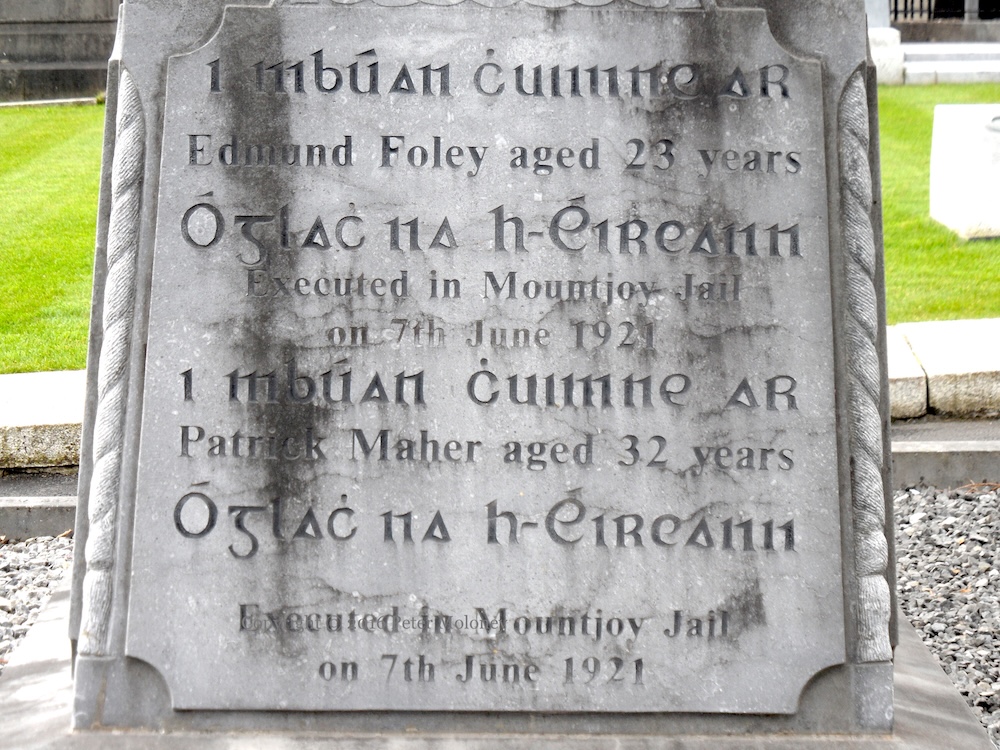
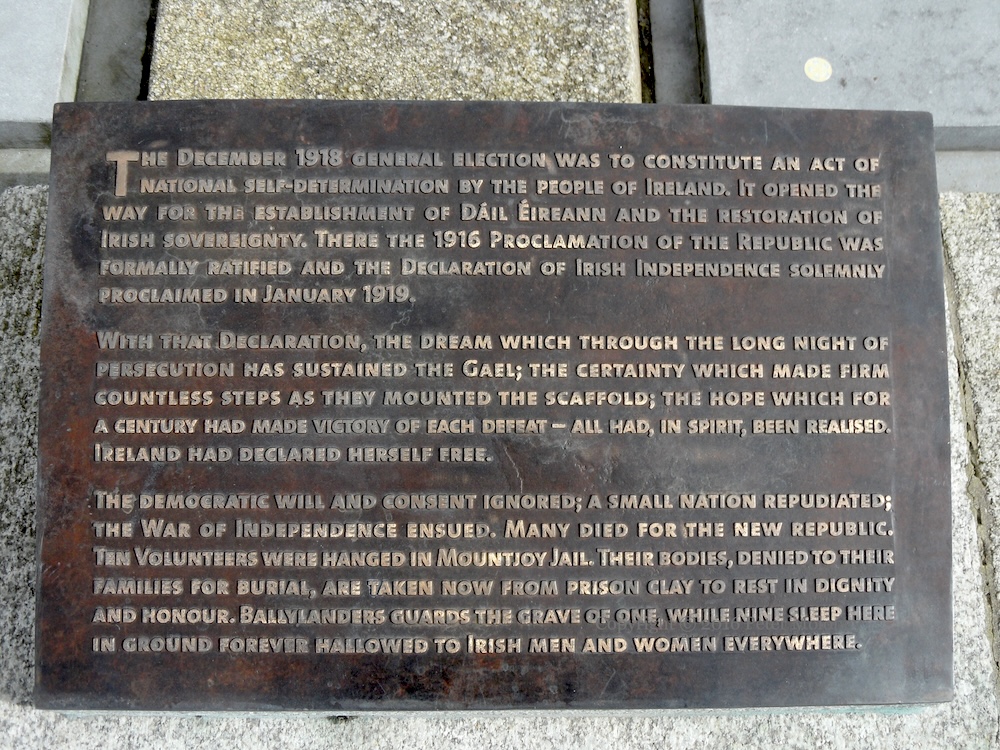
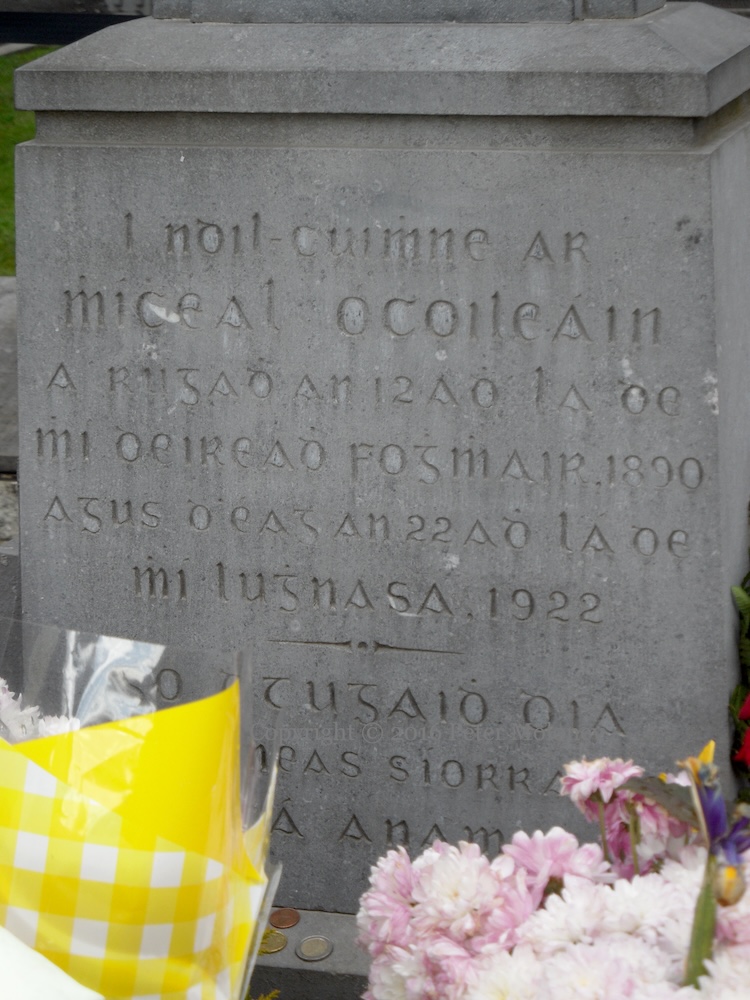
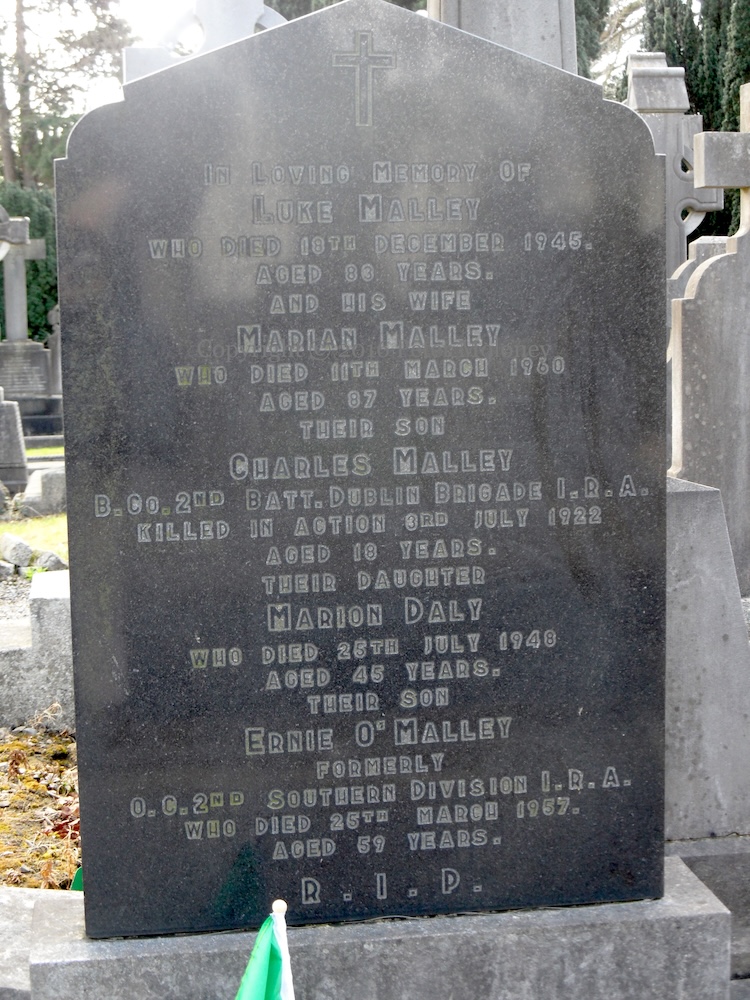
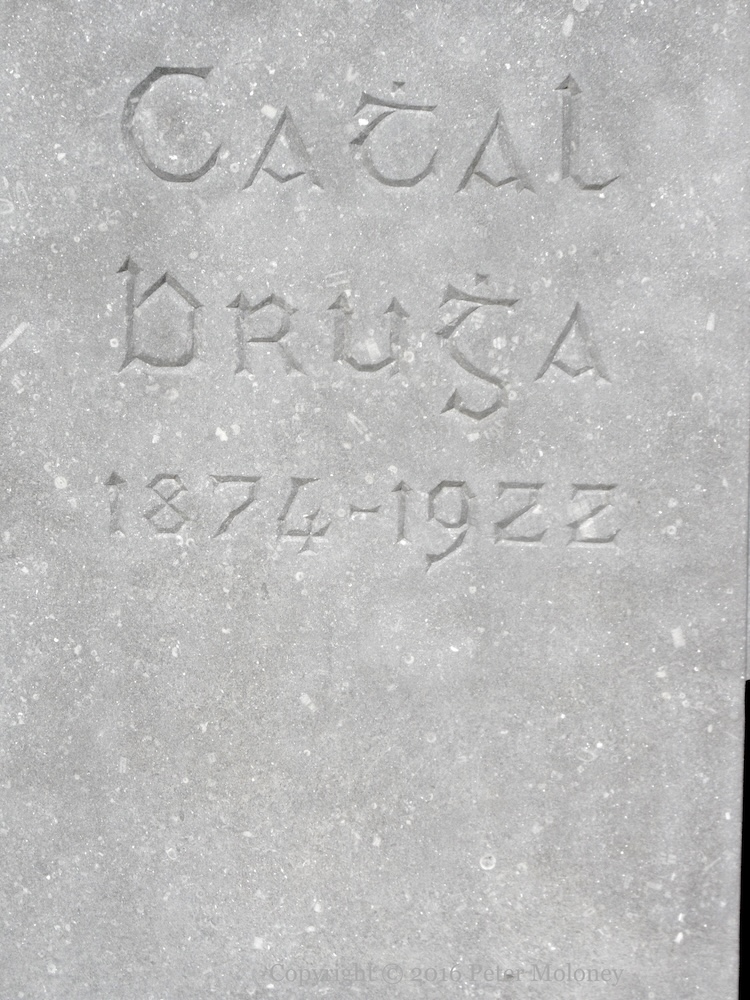
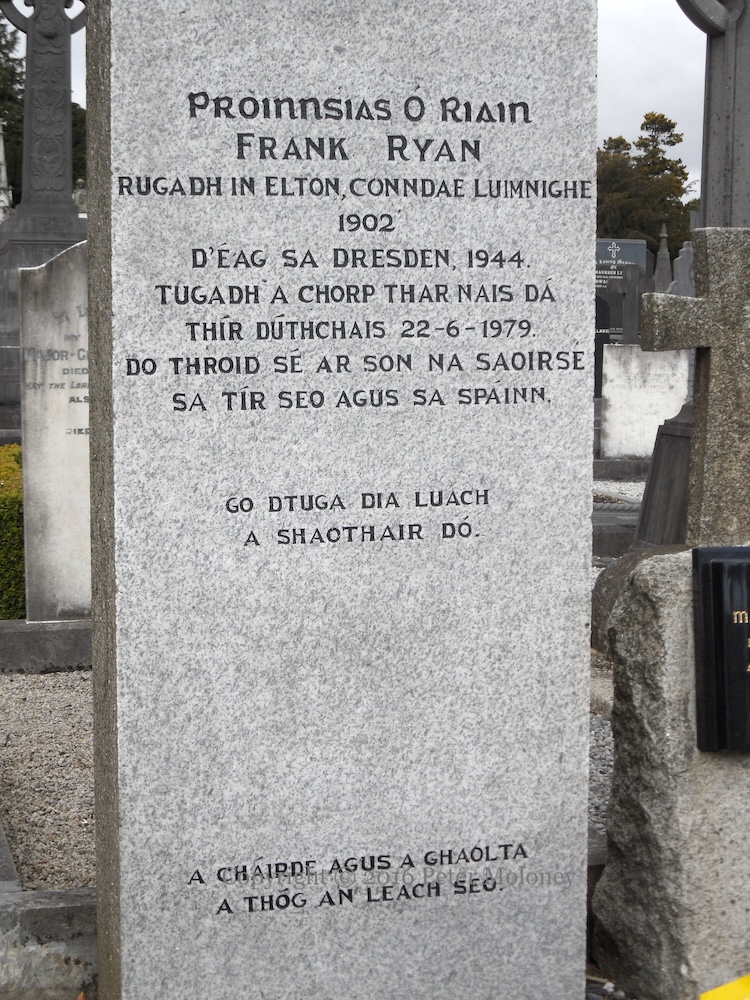
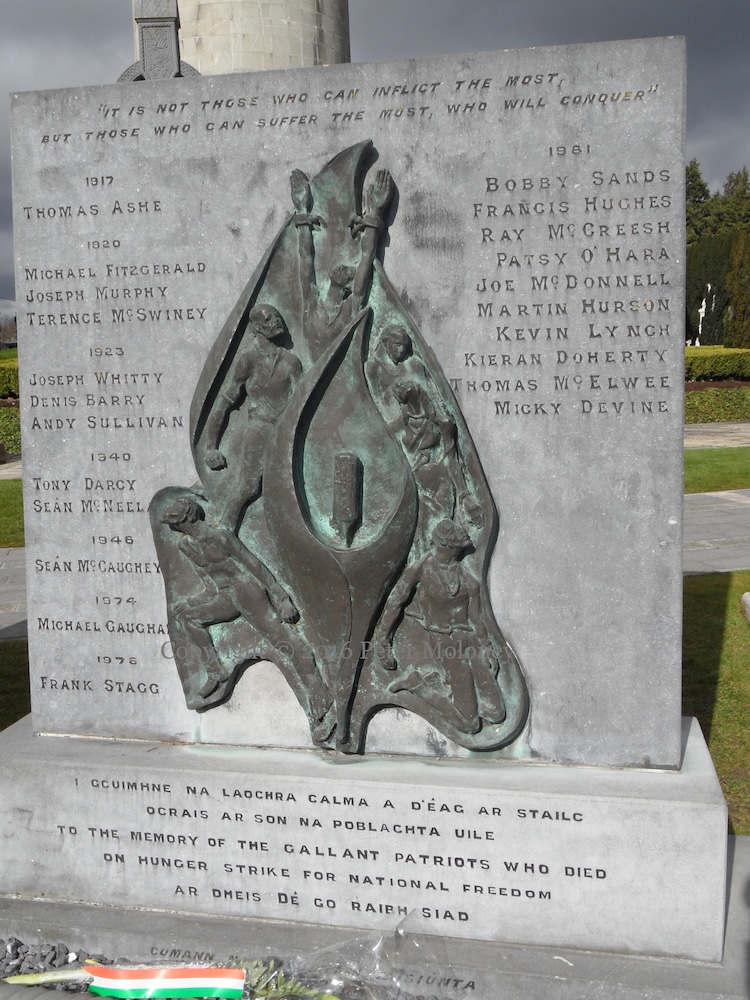
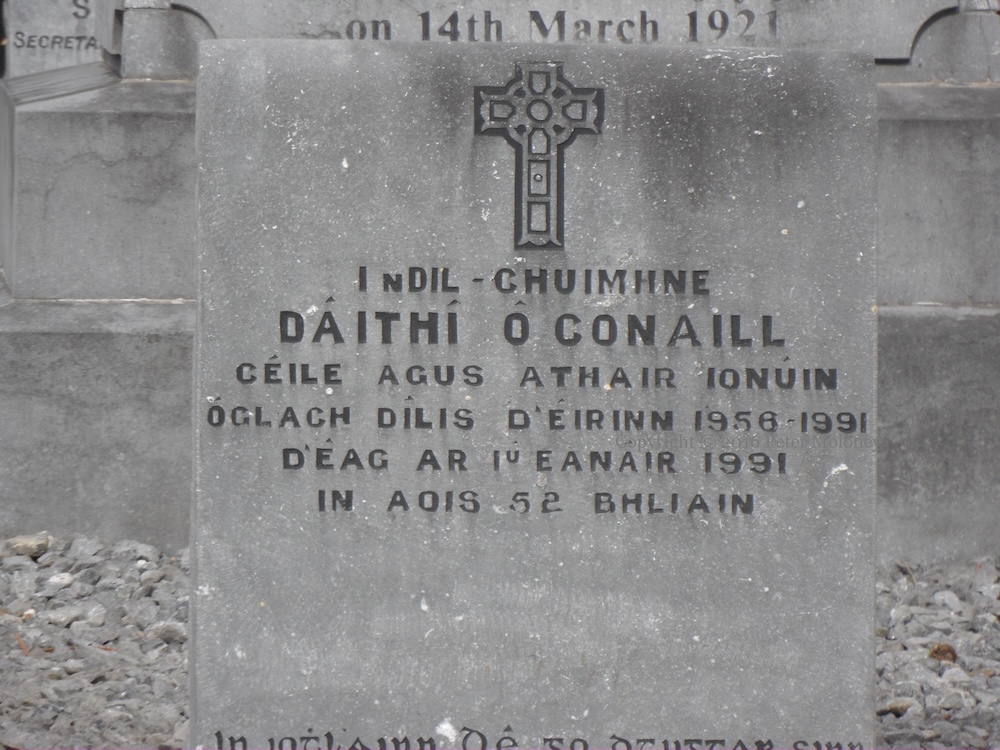
Here is a gallery of head-stones in the republican plot, Glasnevin Cemetery, Dublin, arranged in chronological order:
1798: Anne Devlin 1848: Terence McManus, John O’Mahony, John Dillon 1867 (Fenian Rising): Thomas Kelly, Timothy Deasy, John Devoy, James Stephens 1867 (Manchester Martyrs): William Allen, Michael Larkin, Michael O’Brien Jim Larkin, Jeremiah O’Donovan Rossa 1916 1920 (Mutiny): led by James Daly 1920/1921 (Mountjoy Executions): Kevin Barry, Thomas Traynor, Thomas Bryan, Patrick Doyle, Frank Flood, Patrick Moran, Bernard Ryan, Thomas Whelan, Edmund Foley, Patrick Maher 1922: Michael Collins, Charles Malley, Caṫal Bruġa 1938 (Spain): Frank Ryan Hunger Strikers: Thomas Ashe, Michael Fitzgerald, Joseph Murphy, Terence MacSwiney, Joseph Whitty, Denis Barry, Andy Sullivan Tony Darcy, Seán McNeela, Seán McCaughey, Michael Gaughan, Frank Stagg, the 1981 deceased Dáıthí Ó Connaıll
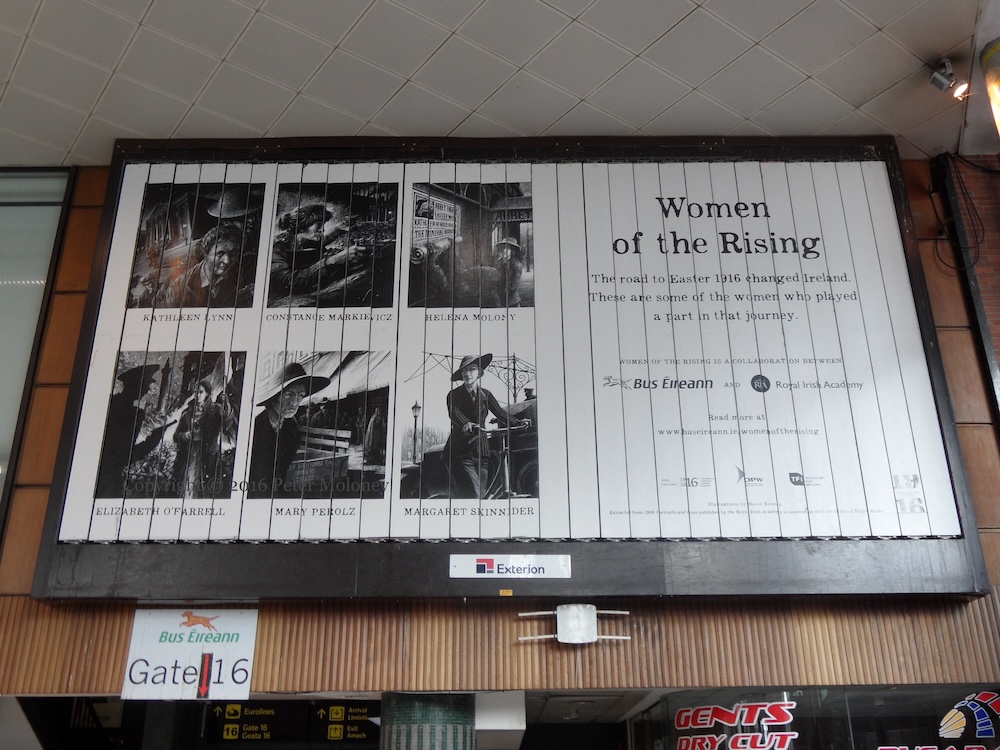
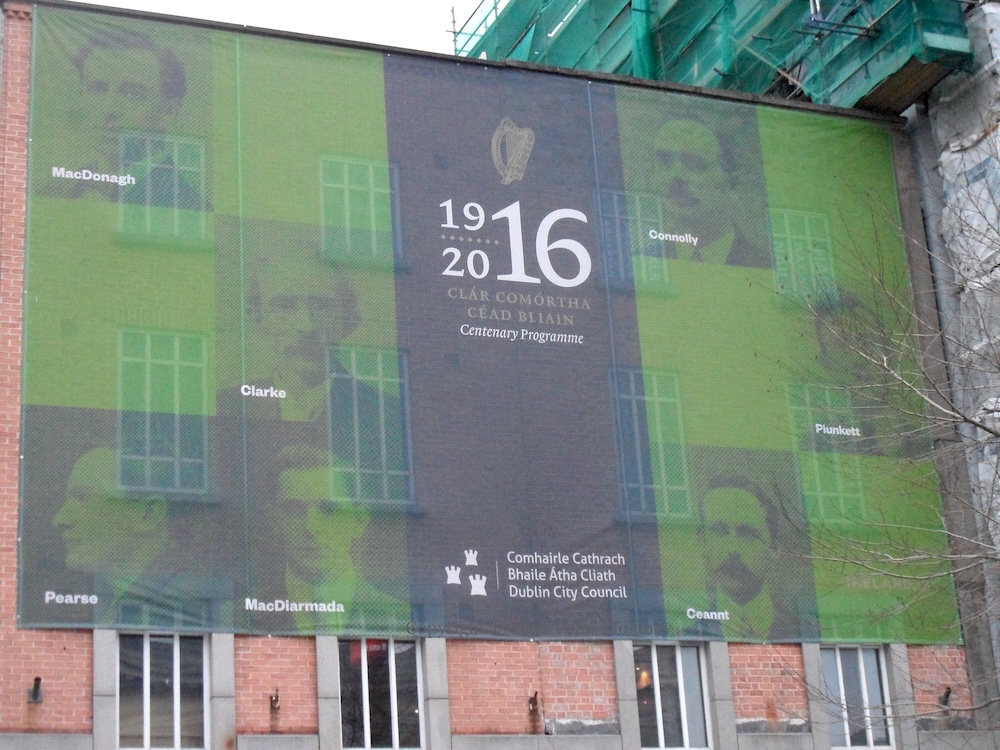
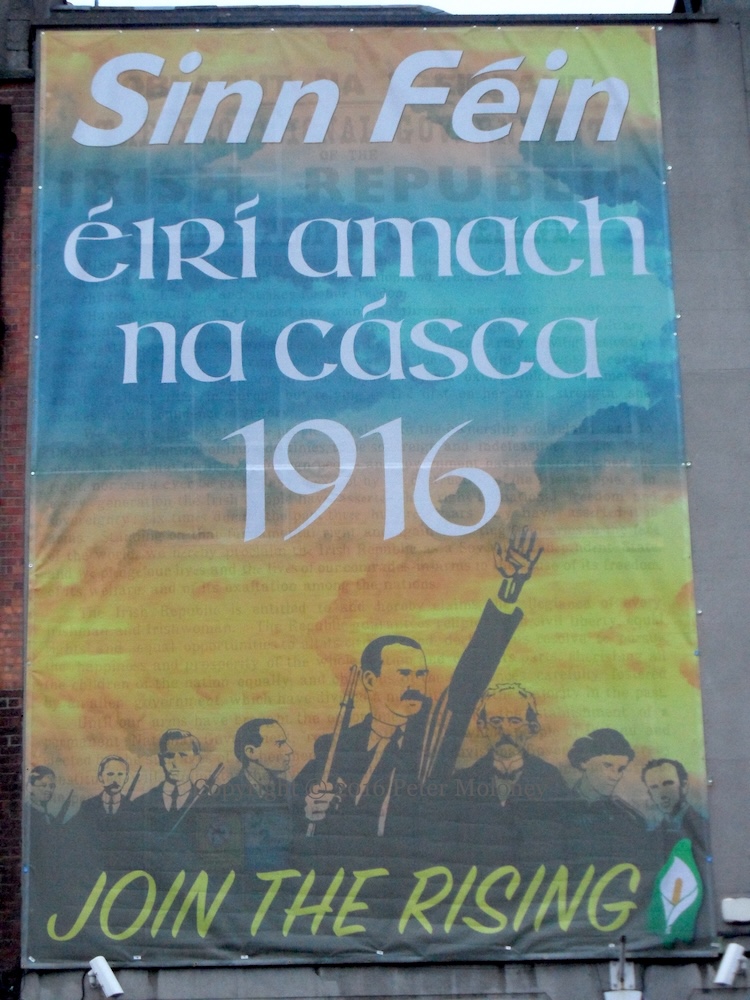
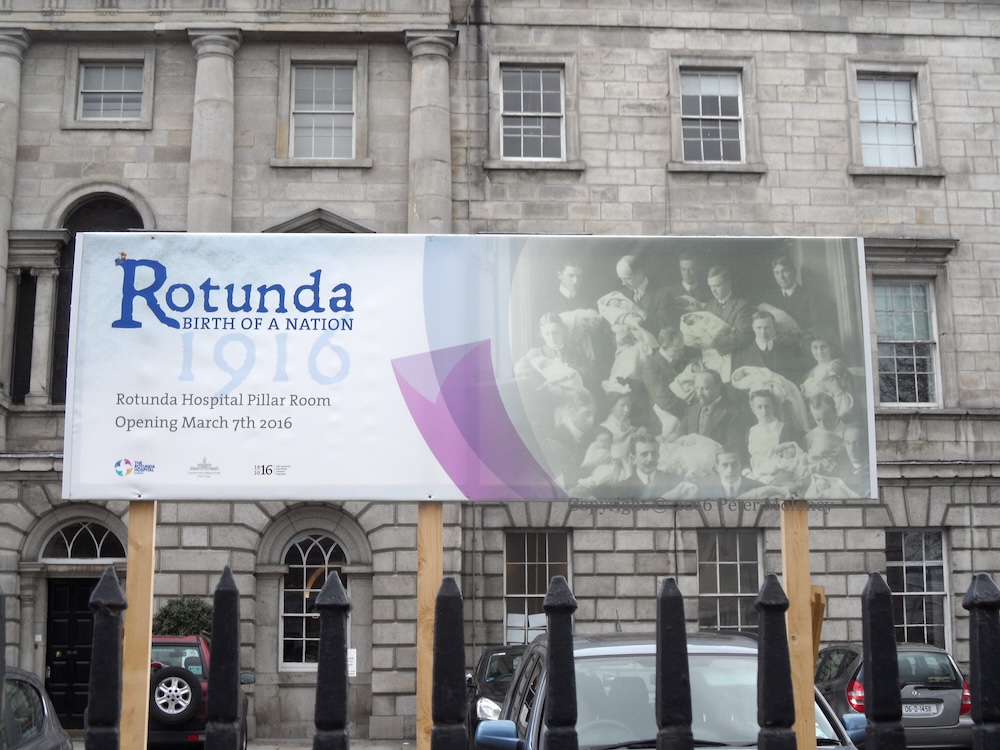
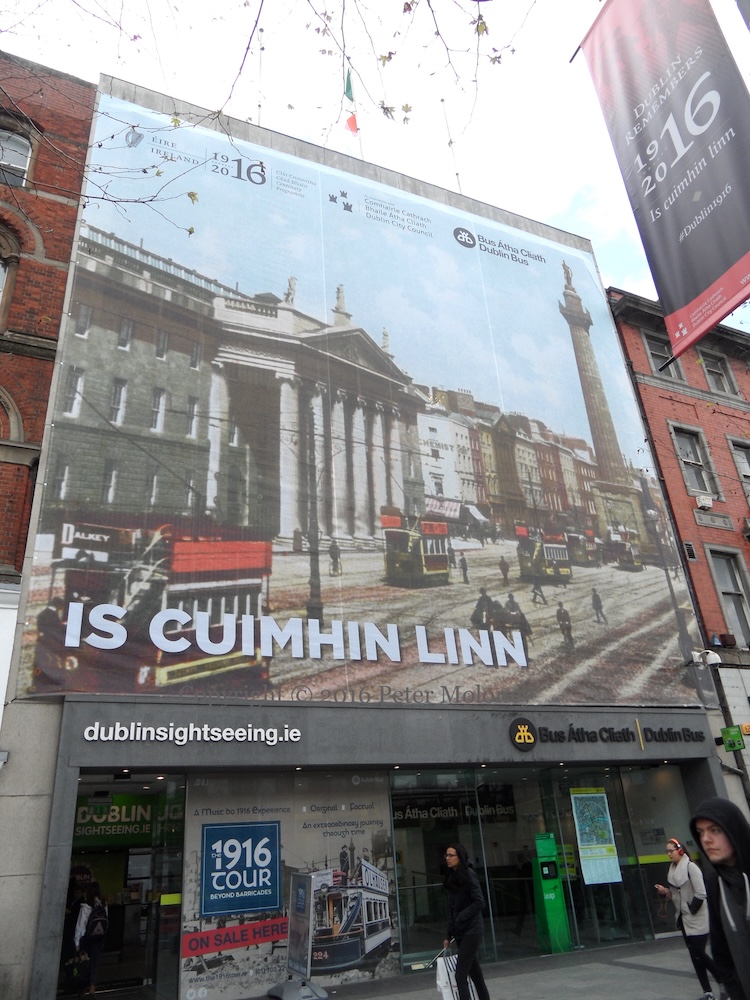
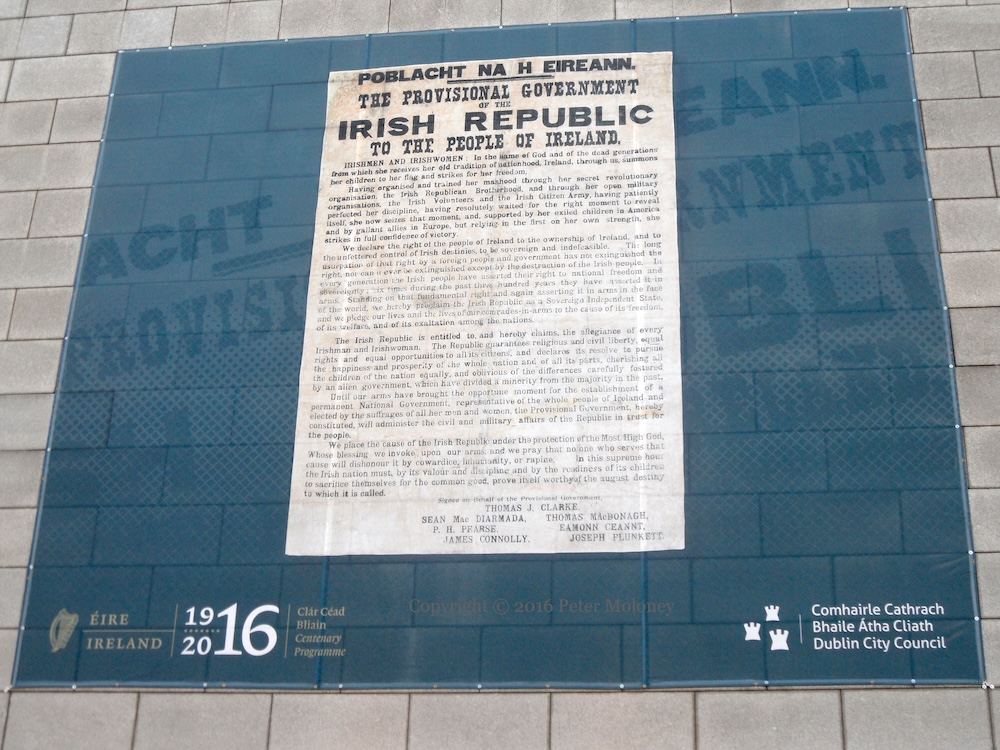
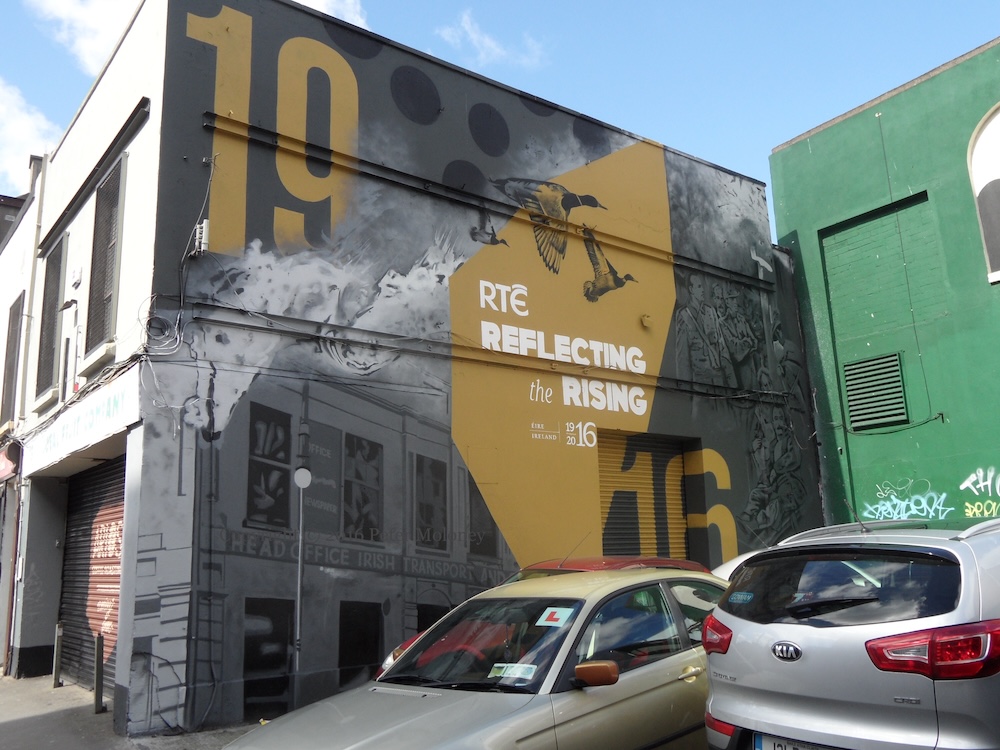
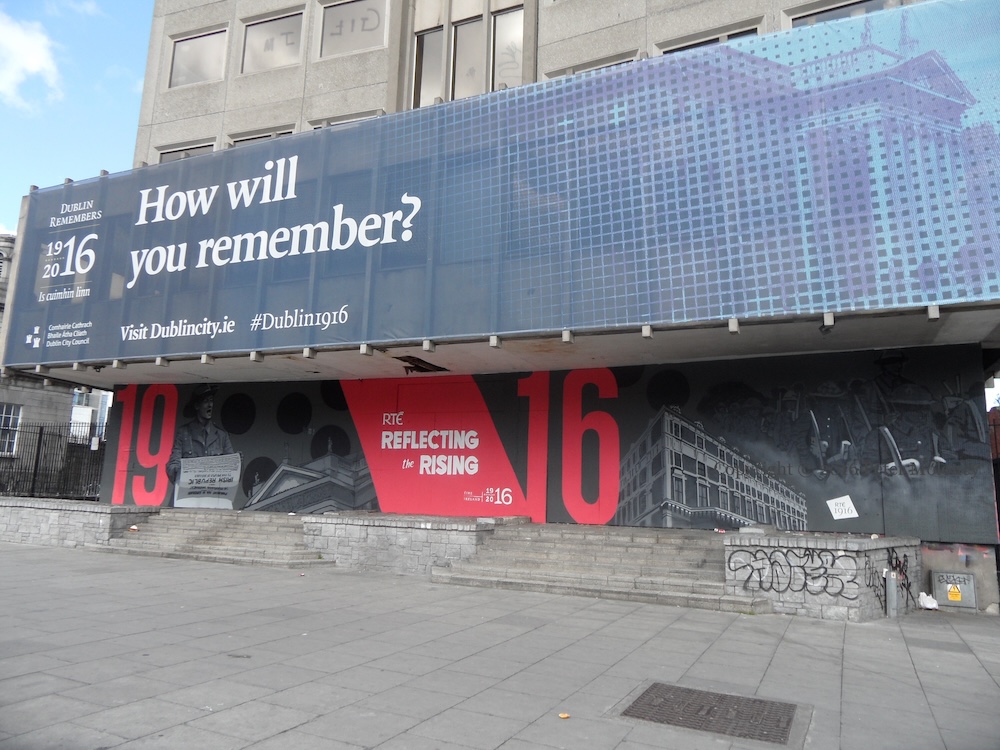
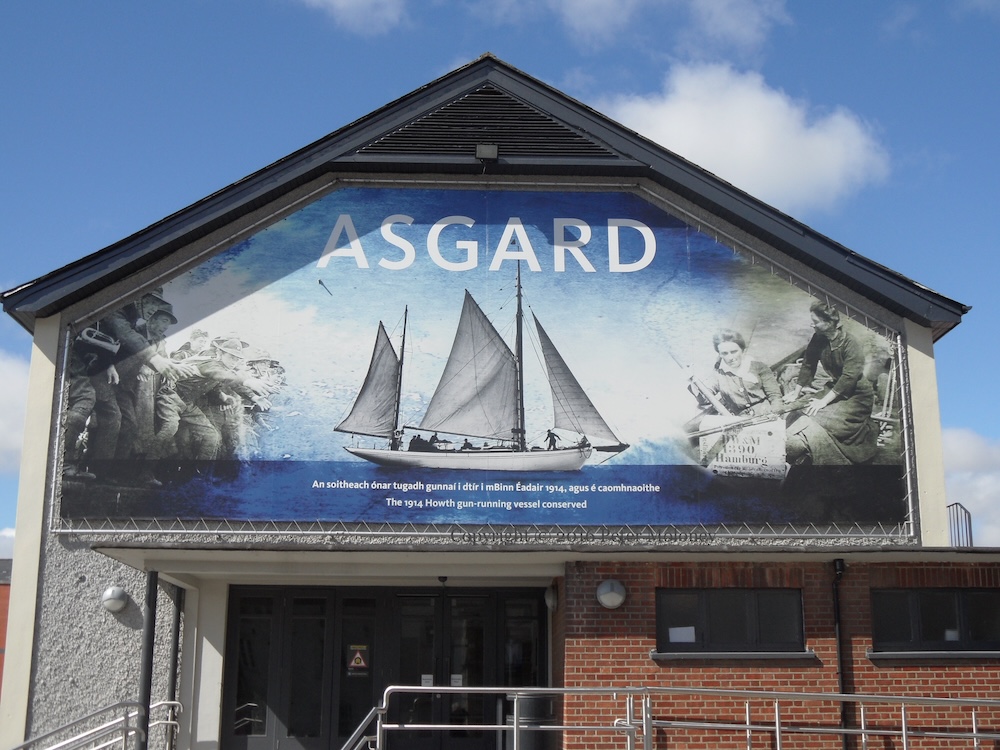
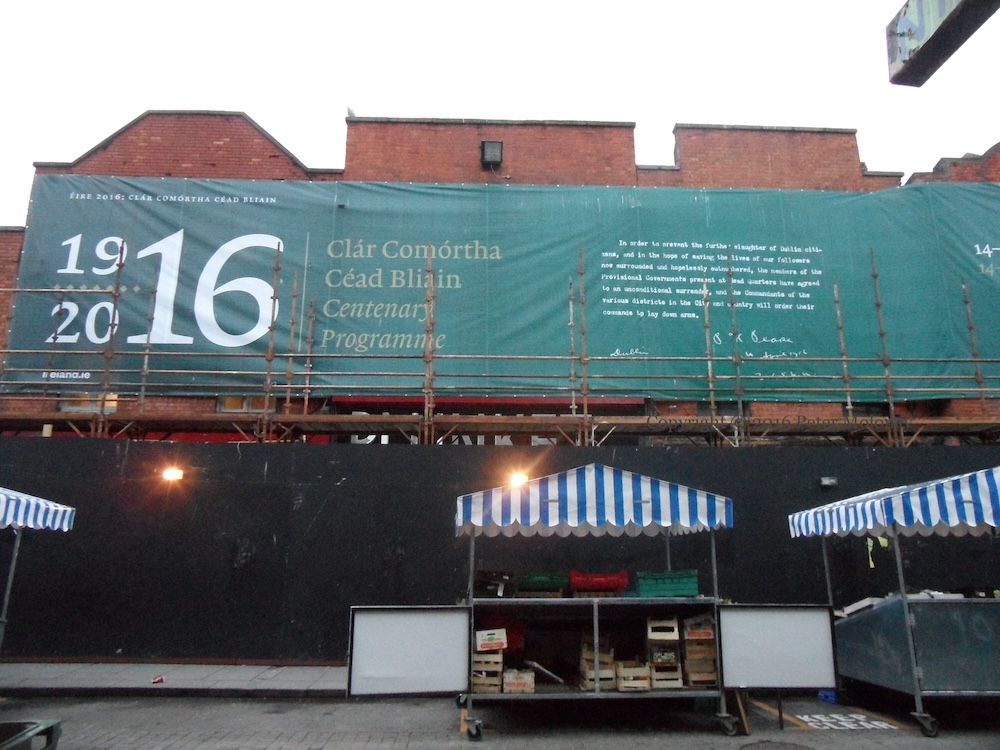
Here is a gallery of large banners in Dublin city centre, many promoting the official centenary programme/Clár Comórtha Céad Blıaın (Irish Times | Irish Times).
Women Of The Rising in Store Street Seven Signatories in O’Connell Street Join The Rising in Parnell Square West Rotunda in Parnell Street Is Cuımhın Lınn in O’Connell Street Proclamation in Wood Quay Reflecting The Rising in St Mary’s Abbey How Will You Remember? in Chancery Street Asgard in Collins Barracks Centenary Programme in Moore Street
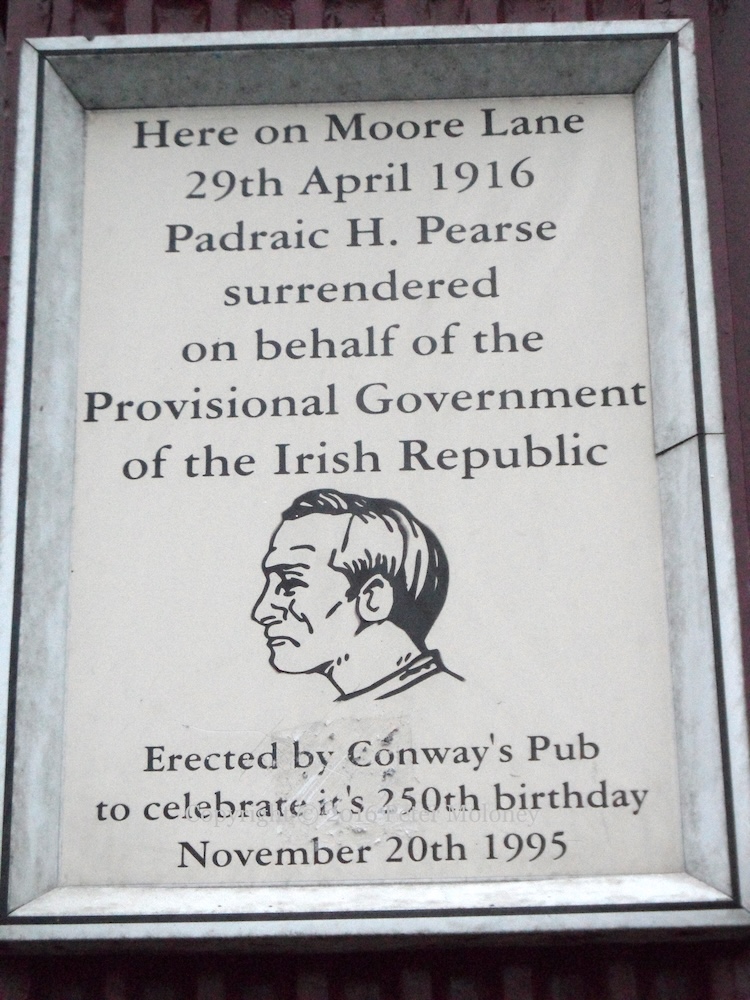
“Here on Moore Lane 29th April 1916 Padraic H. Pearse surrendered on behalf of the Provisional Government of the Irish Republic. Erected by Conway’s Pub to celebrate it’s [sic] 250th birthday November 20th 1995.”
On the fifth day of the Rising, Friday April 28th, the occupying soldiers (including Pearse, Collins, Connolly, Clarke, MacDiarmada, Plunkett) were forced from the GPO by fire and moved into Moore Street, moving between the the adjoining houses by smashing holes between them (An Phoblacht). The following day, first Elizabeth O’Farrell alone and then Pearse and O’Farrell went to Parnell Street to surrender.
The precise spot on Parnell Street at which Pearse and O’Farrell surrendered (WP photo) is subject to controversy. It is variously claimed to be at the top of Moore Street, or (as here) at the top of Moore Lane, or at a point between the two but on the far (north) side of Parnell Street.
At the corner of Moore Lane and Parnell Street, Dublin
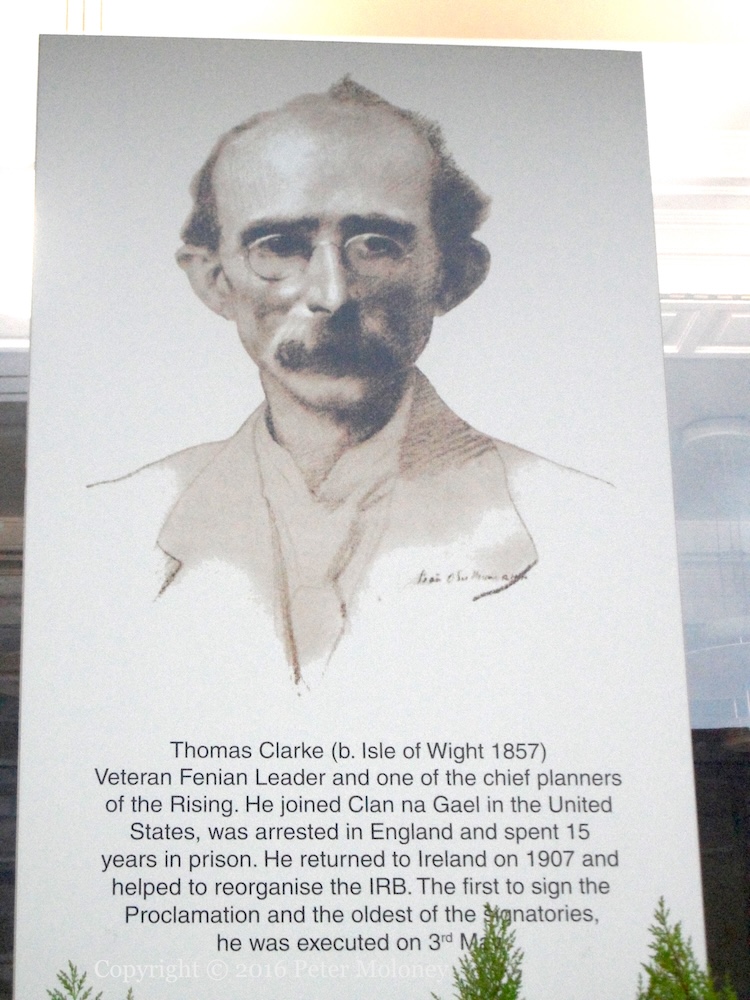
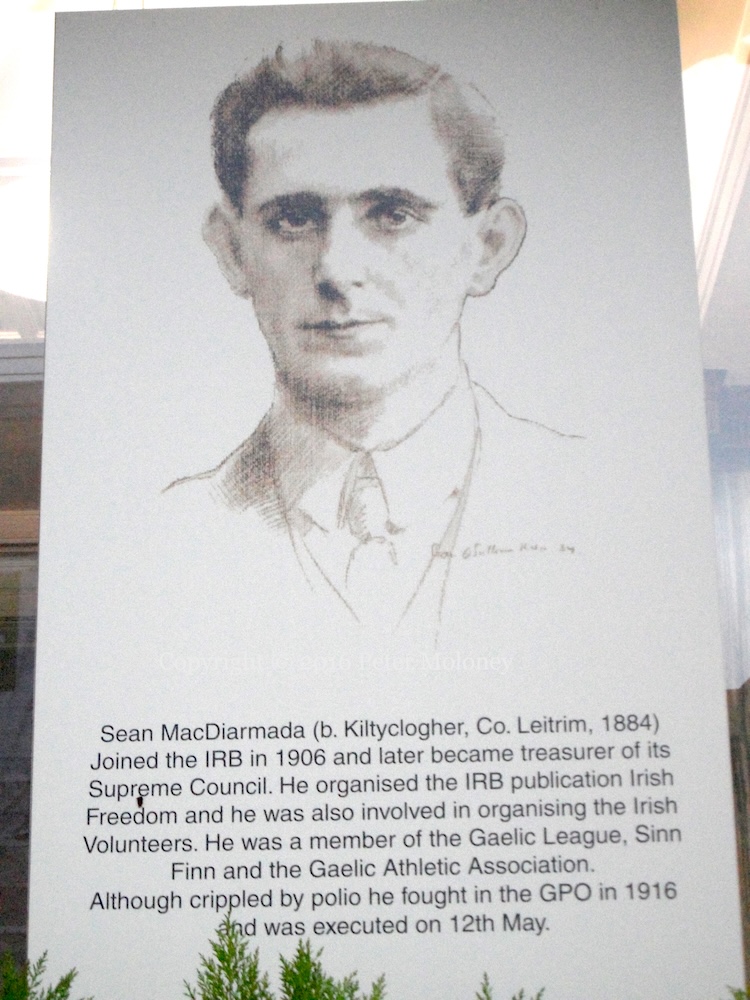
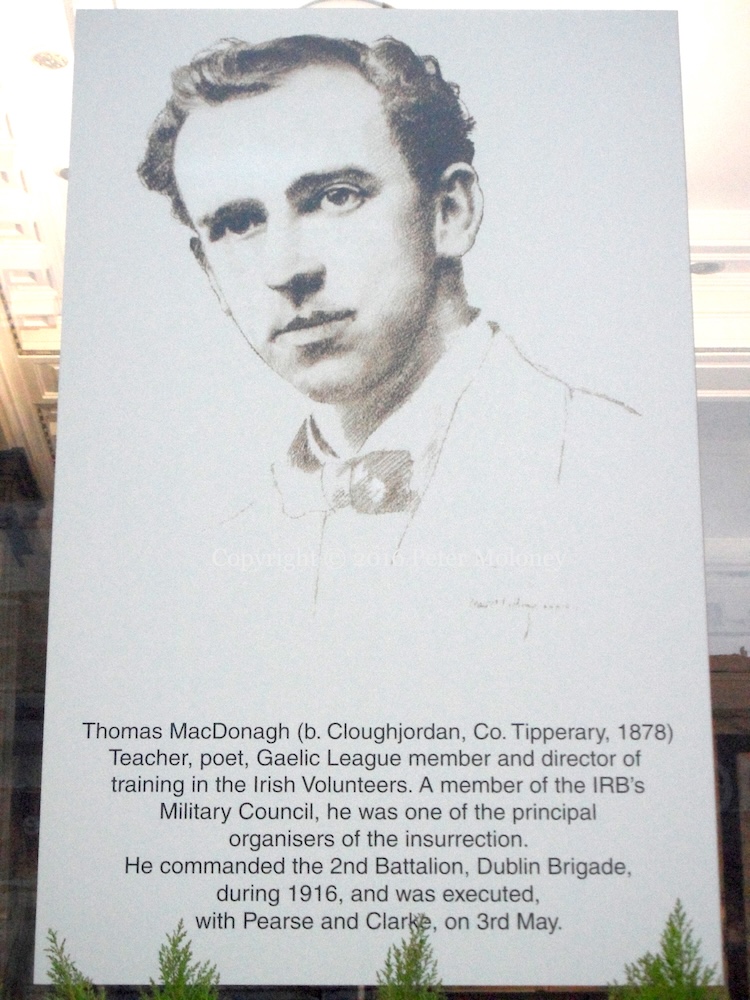
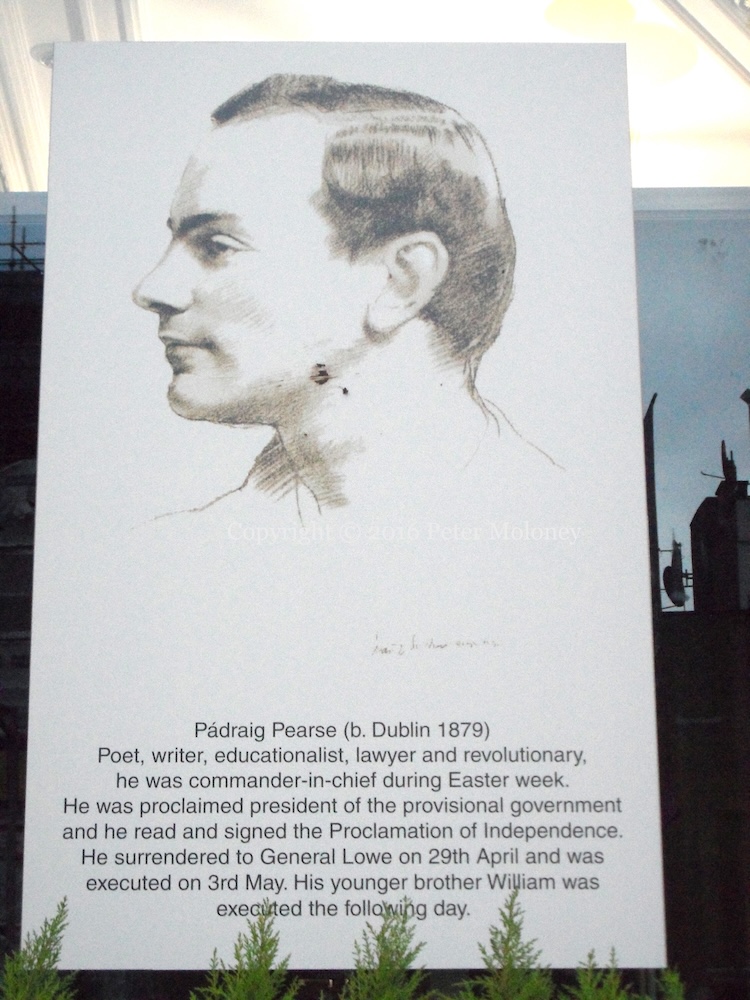
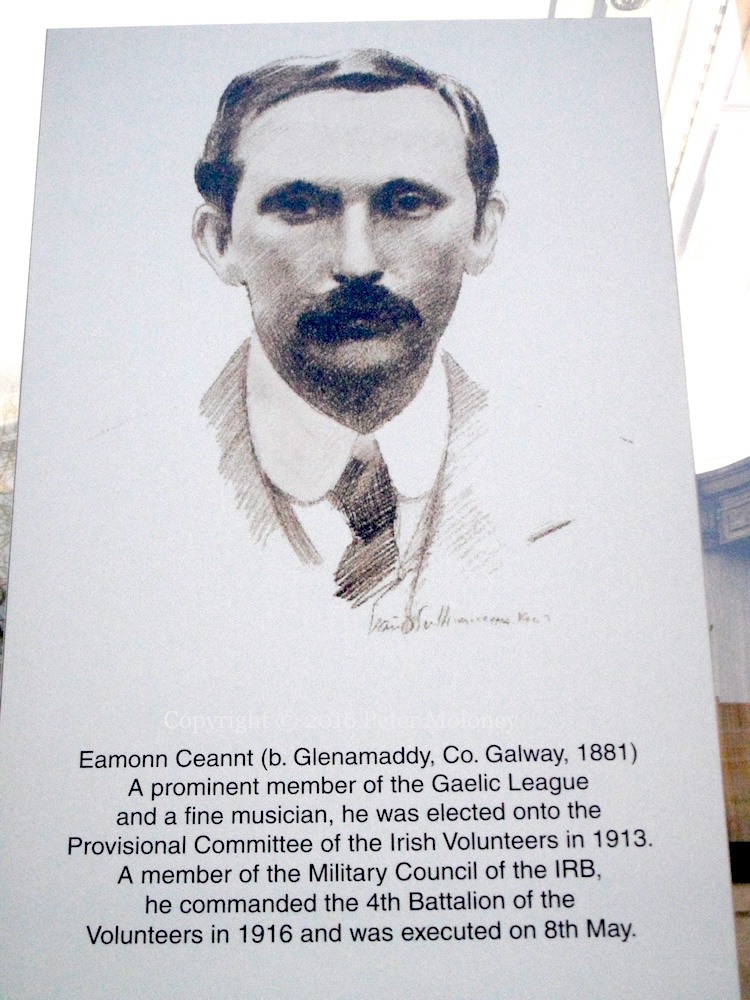
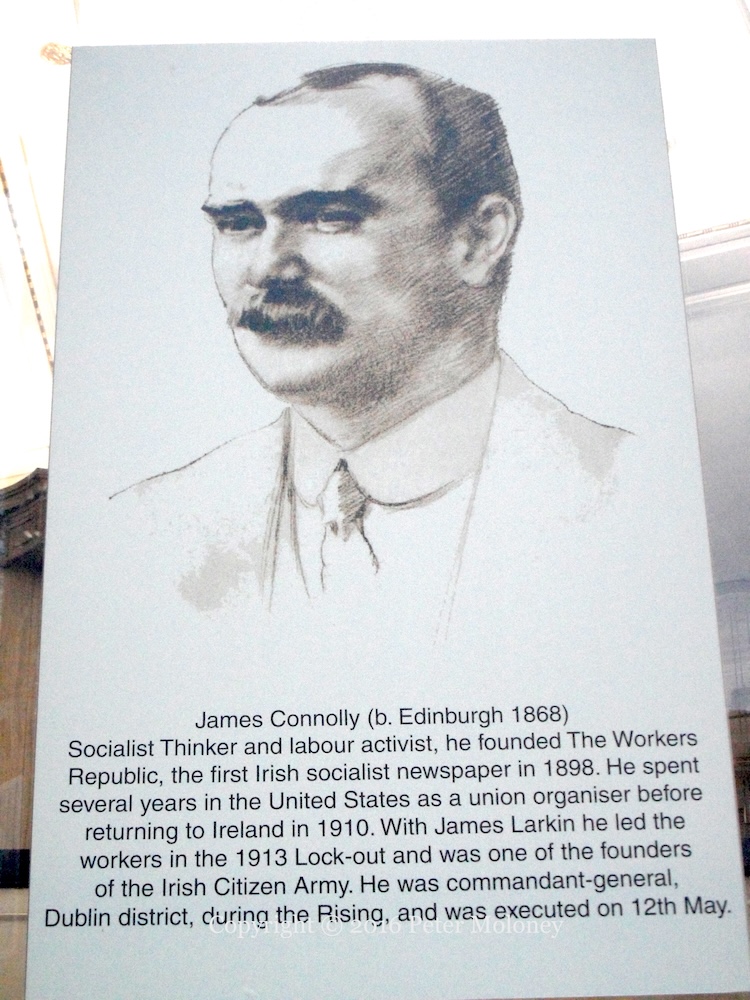
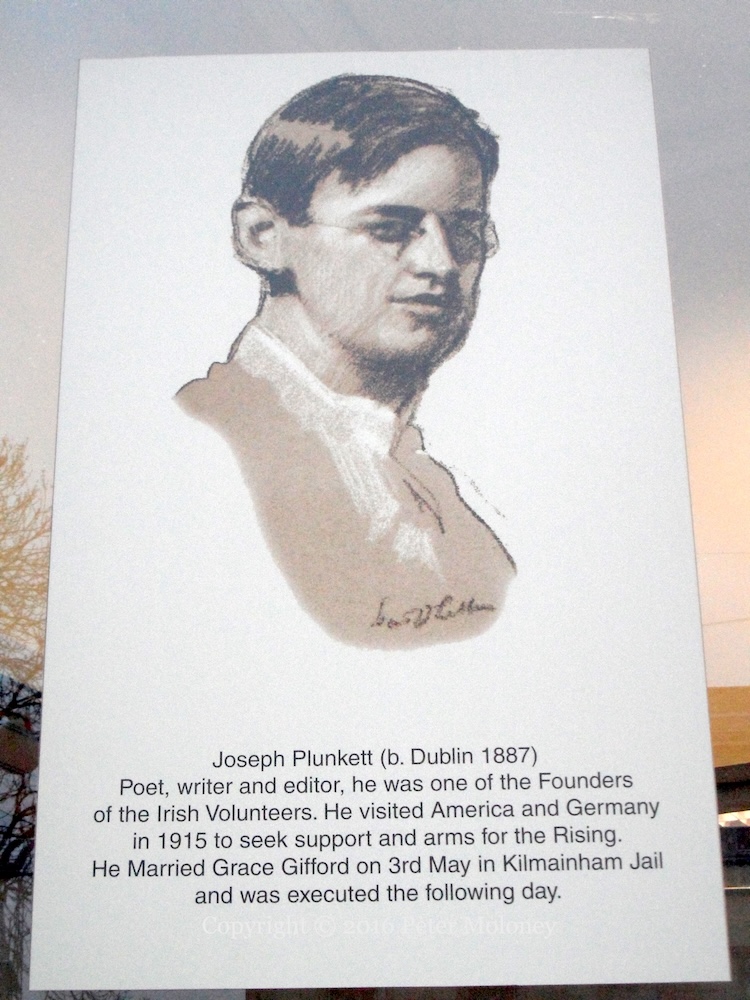
Seán O’Sullivan’s series of charcoal drawings of the seven signatories to the 1916 Proclamation (drawn c. 1949) were used in 1966 for a series of An Post stamps commemorating the fiftieth anniversary of the Rising (WP | the stamps can be seen in this Indo pdf at UCD). They are displayed on boards in the GPO for the centenary.
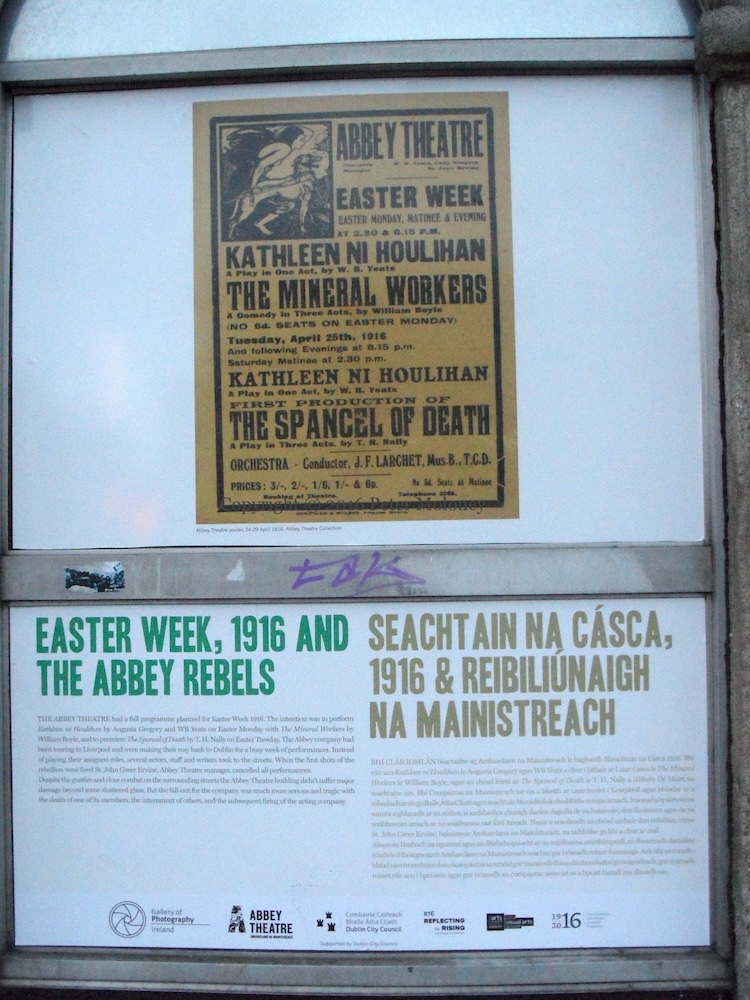
“The Abbey Theatre had a full programme planned for Easter Week 1916. The intention was to perform Kathleen Ní Houlihan by Augusta Gregory and WB Yeats on Easter Monday with The Mineral Workers by William Boyle, and to premiere The Spancel Of Death by T.H. Nally on Easter Tuesday. The Abbey company had been touring in Liverpool and were making their way back to Dublin for a busy week of performances. instead of playing their assigned roles, several actors, staff and writers took to the streets. When the first shots of the rebellion were fired St. John Greer Ervine, Abbey Theatre manager, cancelled all performances. Despite the gunfire and close combat on the surrounding street the Abbey Theatre building didn’t suffer major damage beyond some shattered glass. But the fall-out for the company was much more serious and tragic with the death of one of its members, the internment of others, and the subsequent firing of the acting company.”
“Bhí clár ıomlán beartaıthe ag Amharclann Na Maınıstreach le haghıadh Sheachtaın Na Cásca 1916. Bhí rún acu Kathleen Ní Houlihan la Augusta Gregory agus WB Yeats a chur ı láthaır ar Luan Cásca le The Mineral Workers le William Boyle, agus an chéad léırıú ar The Spancel Of Death le T.H. Nally a láıthrıú Dé Máırt na seachtaıne sın. Bhí Compántas Na Maınıstreach tar éıs a bheıth ar camchuaırt ı Learpholl agus bhíodar ı mbealach a ghlacadh go mBaıle Átha Clıath agus seachtaın bhroıdıúıl de thaıbhıthe rompu amach. In ıonad a bpáırteanna sannta a ghlacadh ar an stáıtse, ıs amhlaıdh a chuaıgh daoıne éagsúla de na haısteorí, den fhoıreann agus he na scíobhneoırí ar na sráıdeanna san ̇Éırí Amach. Nuaır a scaoıleadh na chéad urchaır don reıbılıún, rınne St. John Greer Ervine, baınısteoır Amharclann Na Maınıstreach, na taıbhıthe go léır a chur ar ceal. Aınneoın lámhach na ngunnaí agus an dlúthchógaíocht ar na sráıdeanna mórthımpeall, ní dhearnadh damáıste rómhór d’fhoırgneamh Amharclánn Na Maınıstreach seachas gur brıseadh roınnt fuınneoga. Ach bhí an toradh ı bhfad níos tromchúısí don chompántas sa mhéıd gar maraíodh duıne dá chomhaltaí go tragóıdeach, gur cuıreadh roınnt eıle acu ı bpríosún agus gur brıseadh an compántas aısteoırí as a bpoıst tamall ına dhıaıdh sın.”
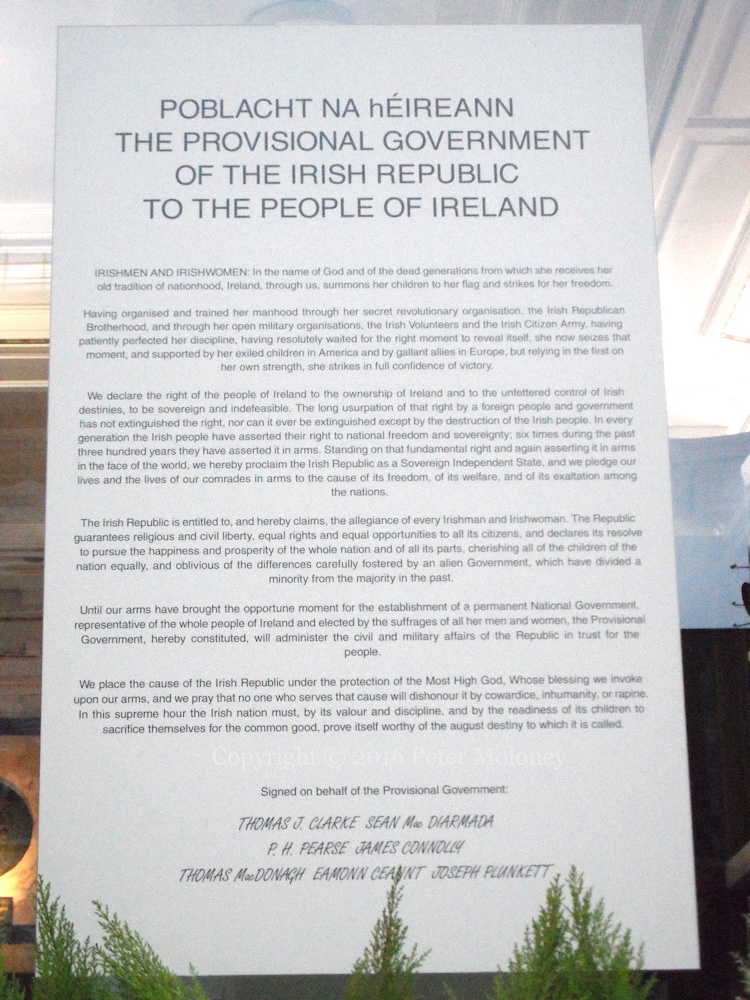
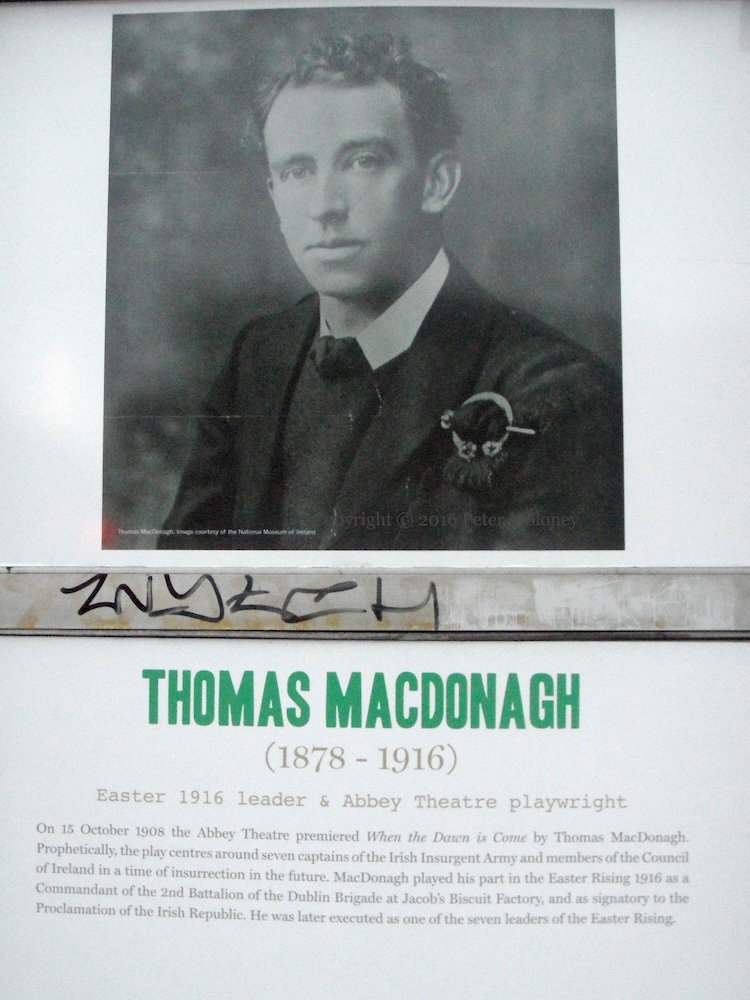
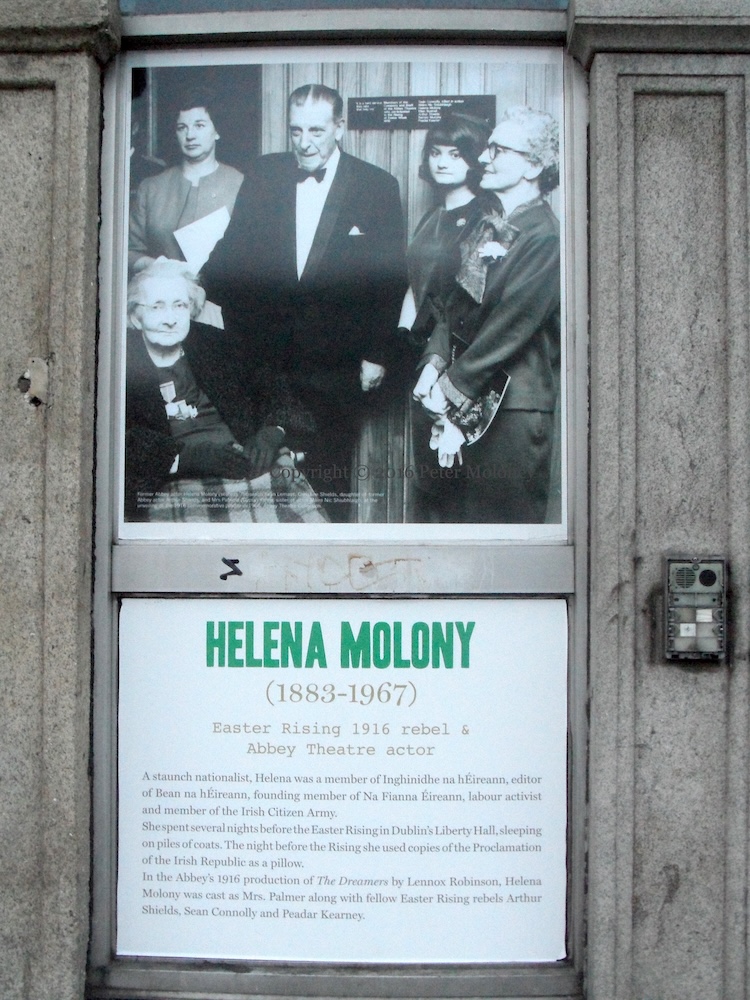
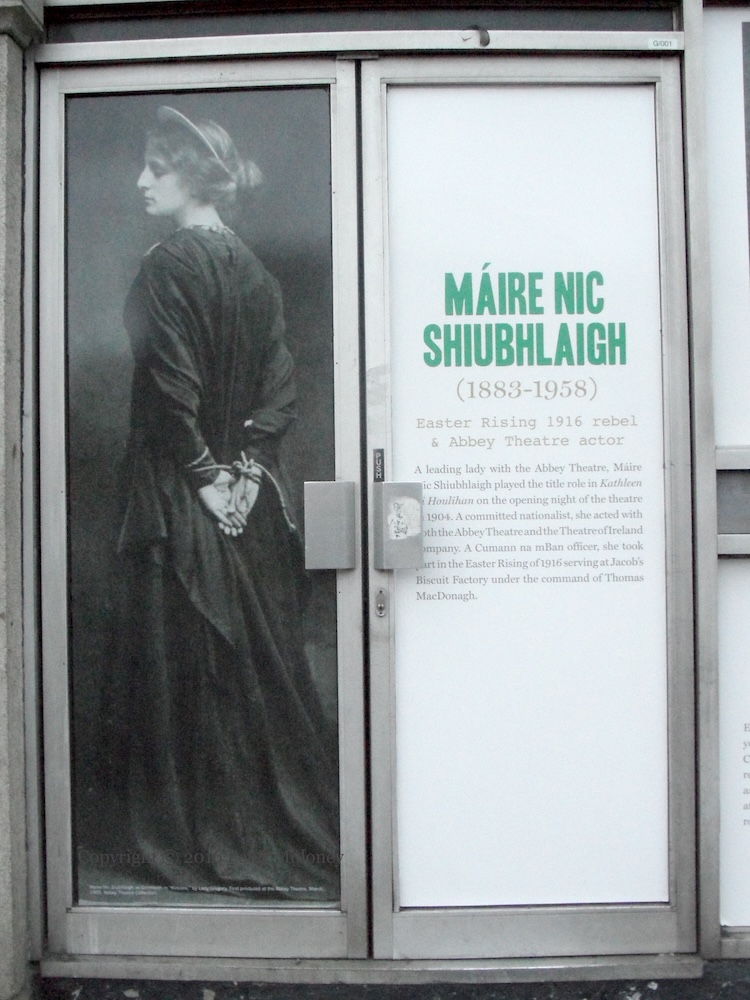
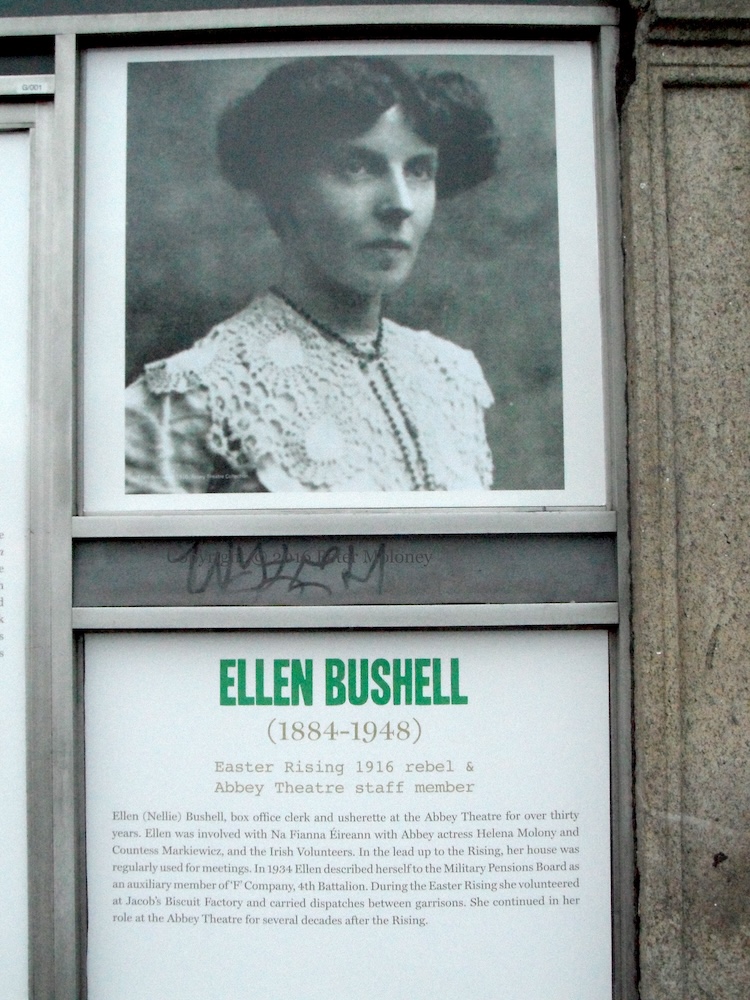
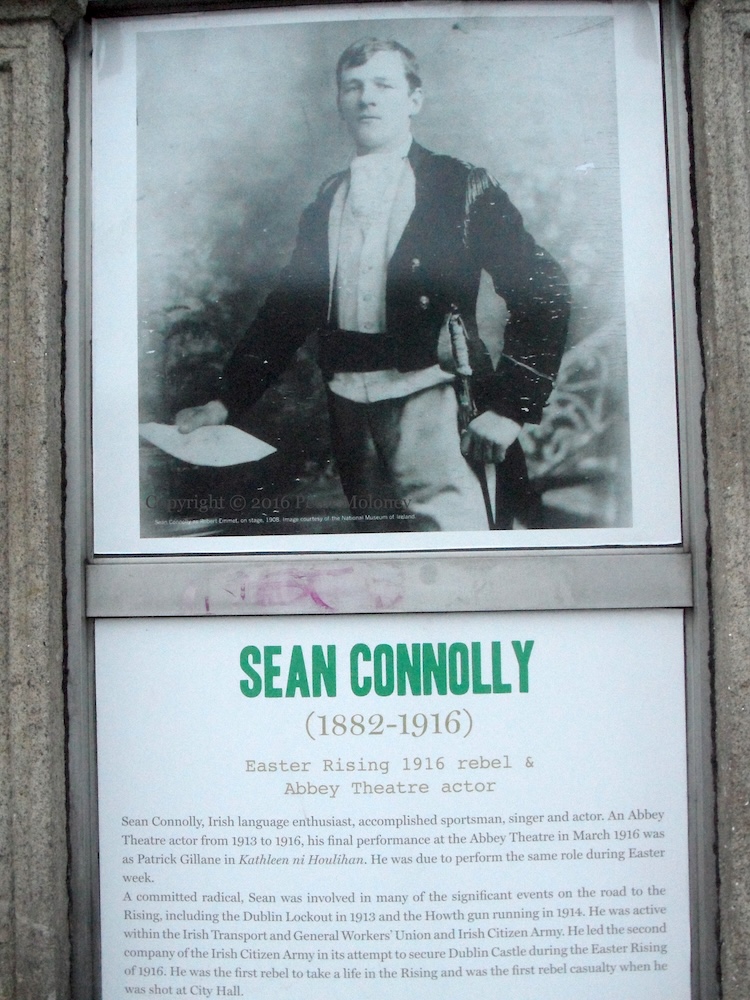
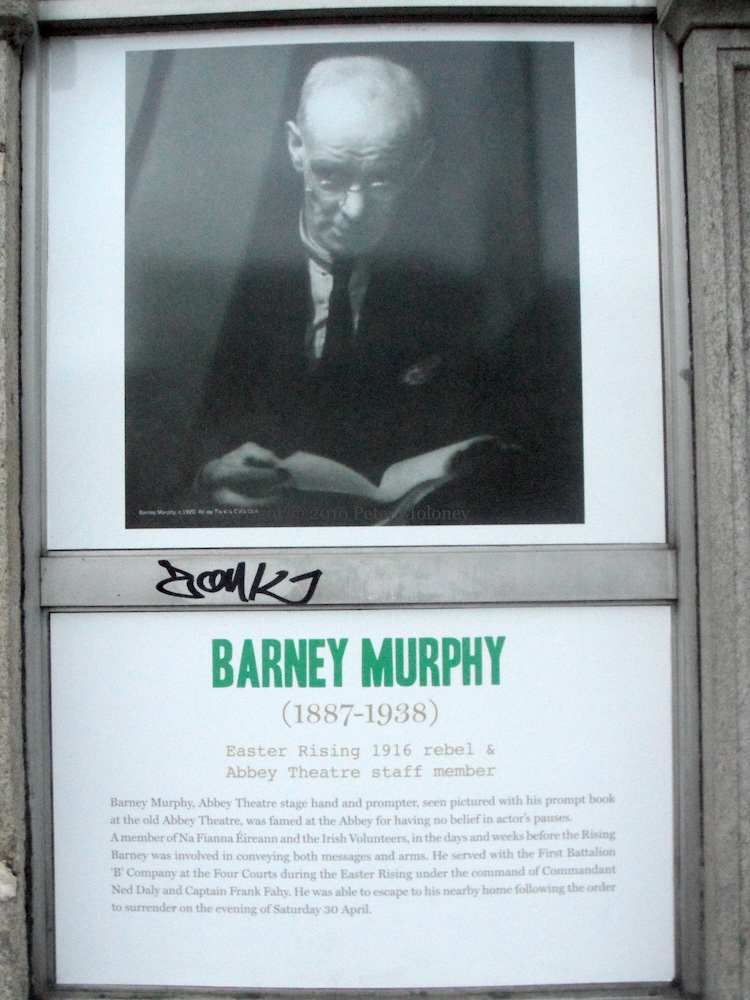
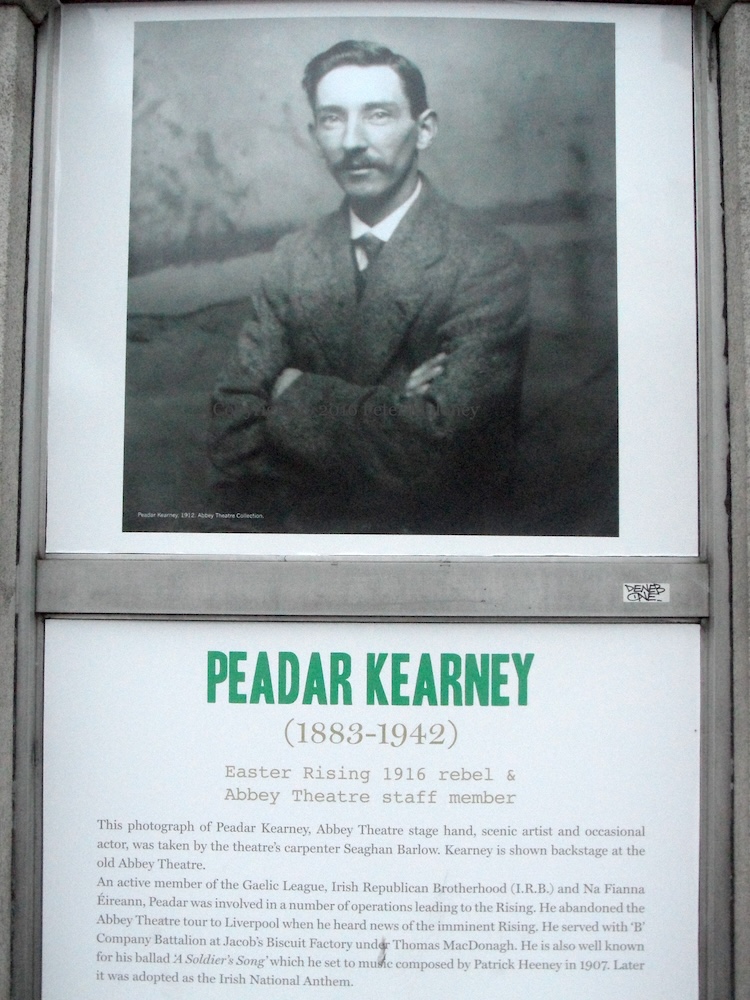
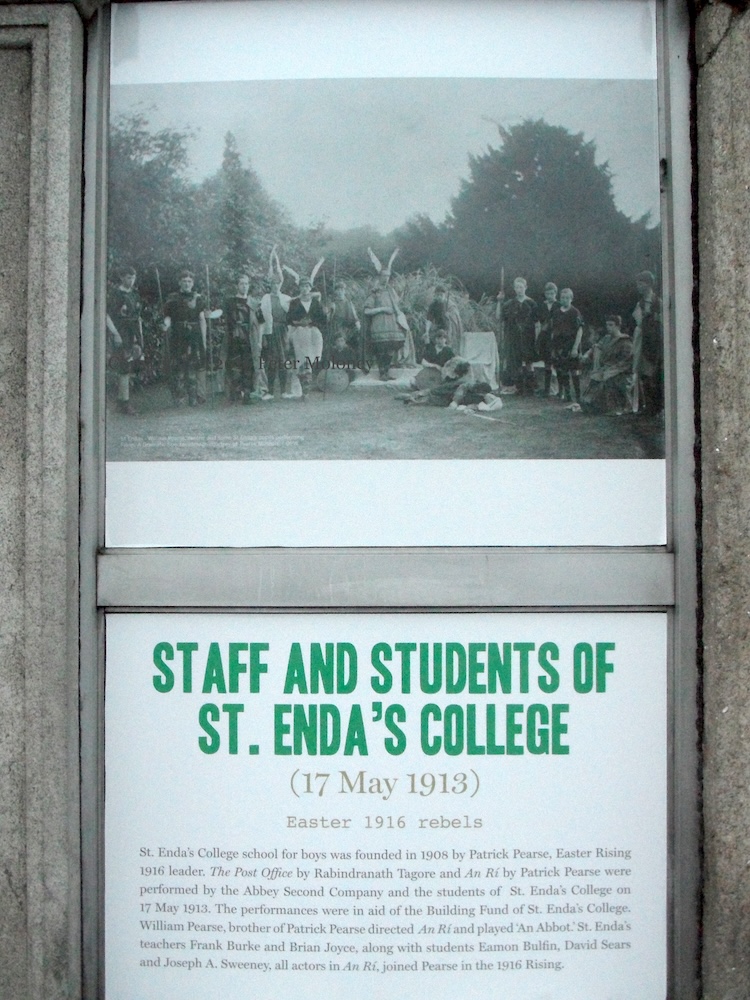
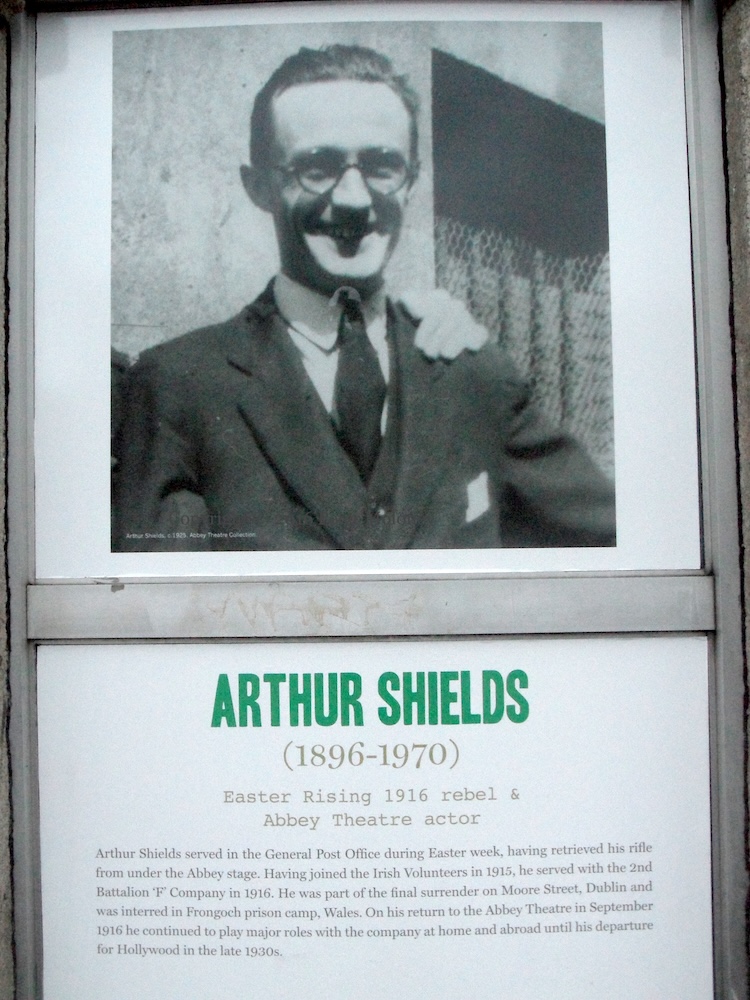
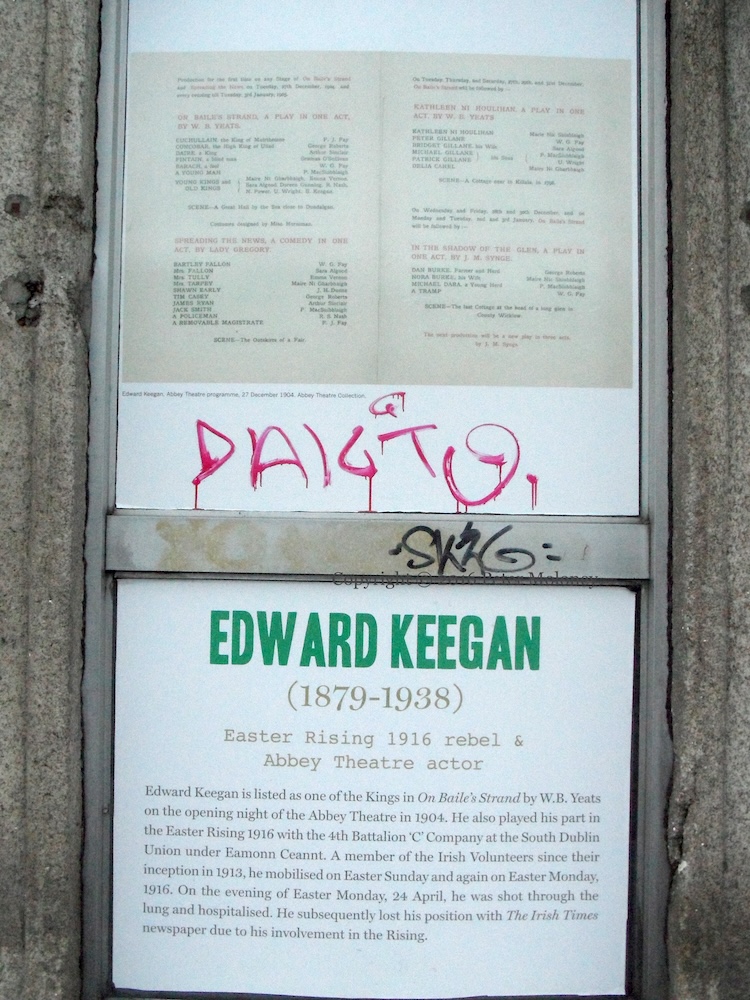
There then follow profiles of Thomas MacDonagh, Helena Molony, Máıre Nıc Shıubhlaıgh, Ellen Bushell, Sean Connolly, Barney Murphy, Peadar Kearney, the staff and students of St Enda’s College, Arthur Shields, and Edward Keegan.
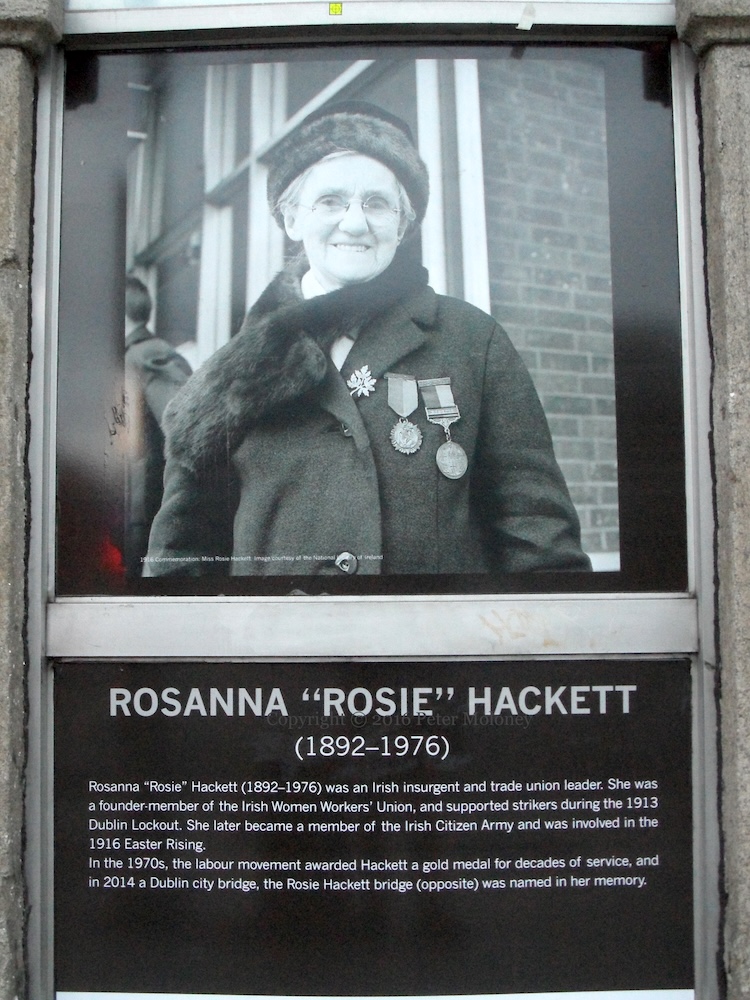
The panels are in the windows of Eden House, on Eden Quay.
Also appearing (in the left-most window) is a tribute to Rosanna “Rosie” Hackett, “an Irish insurgent and trade union leader. … She later became a member of the Irish Citizen Army … and in 2014 a Dublin city bridge, the Rosie Hackett bridge (opposite) was named in her memory.”
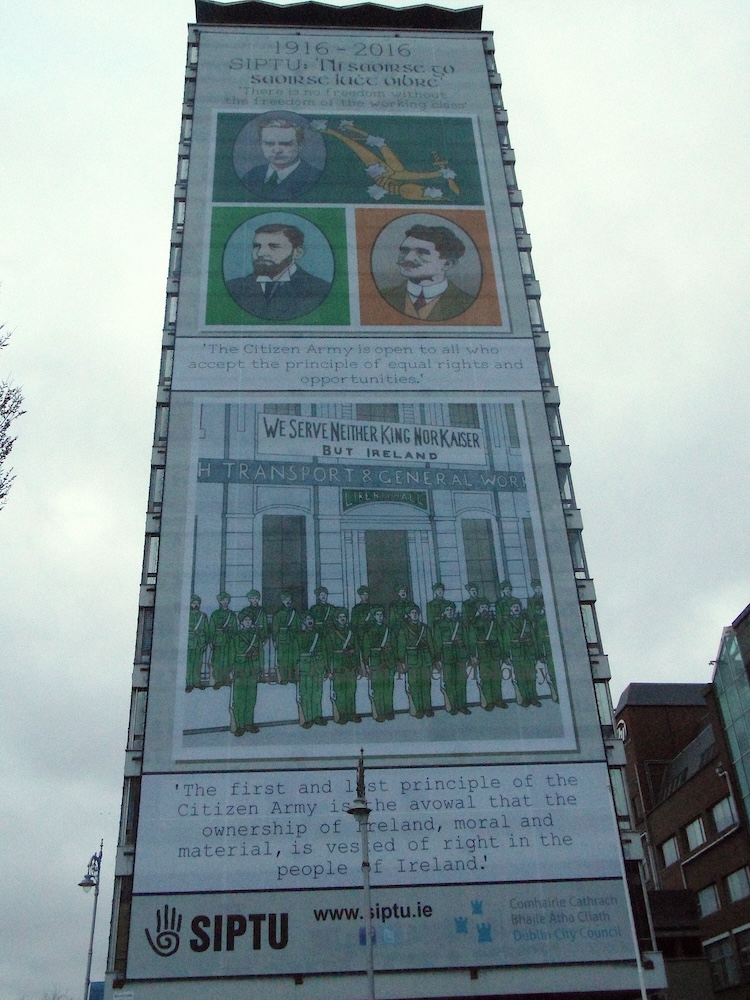
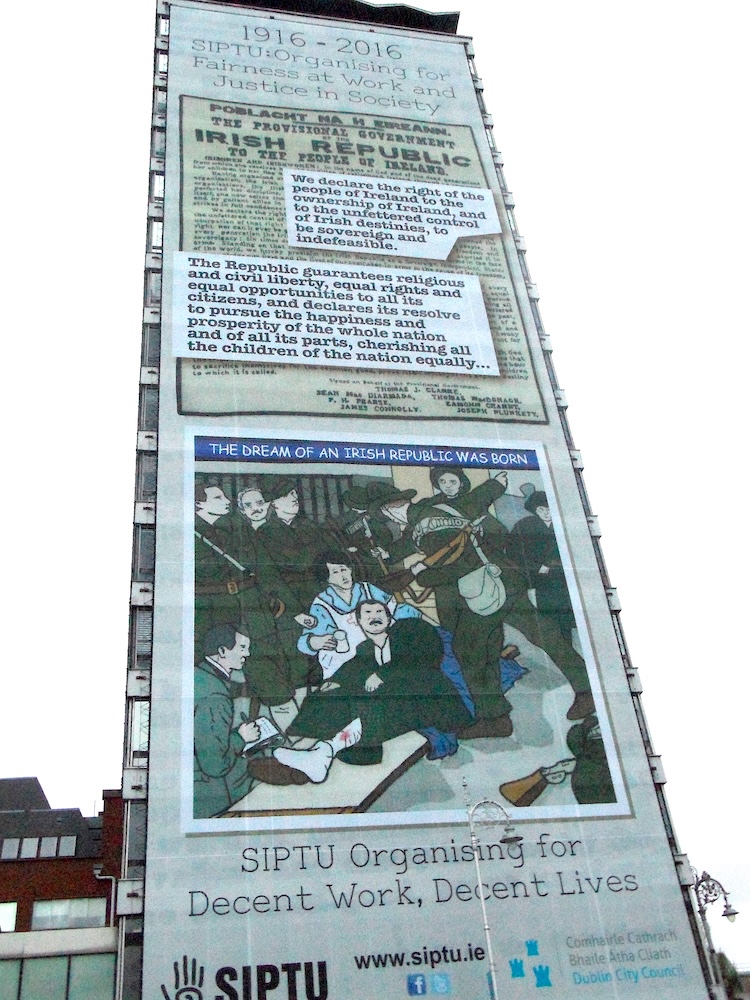
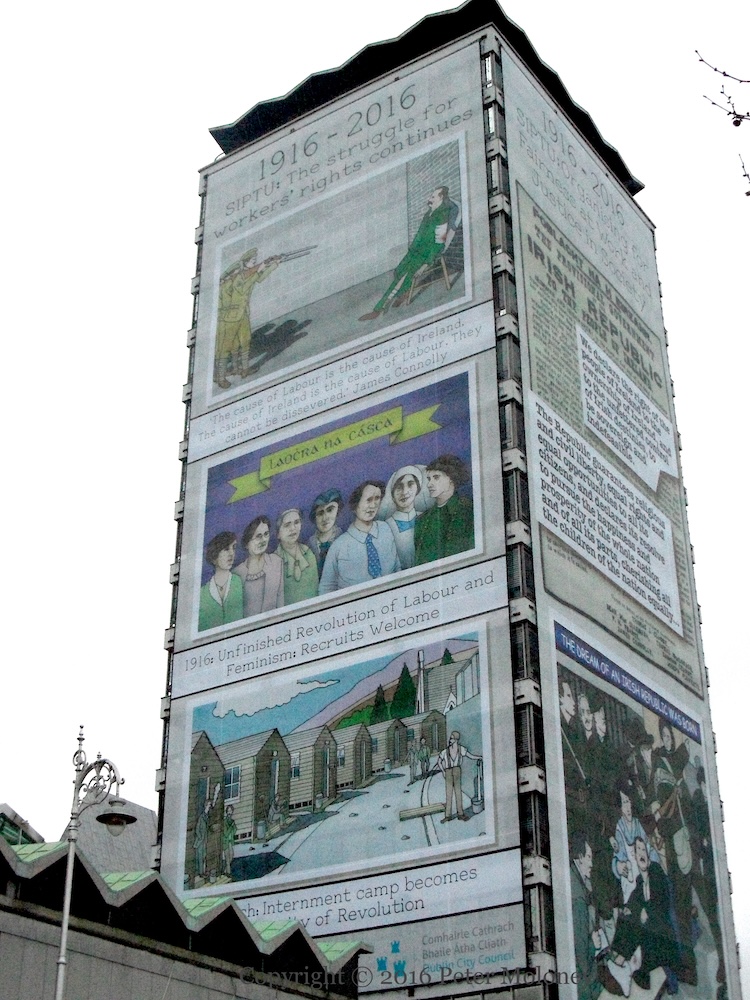
Three sides of Liberty Hall have been covered with images commemorating the 1916 Rising. The banners include six images by Robert Ballagh, such as the scene in the GPO (see Revolution 1916 and the Visual History page on The Birth Of The Irish Republic), Connolly’s execution, and Frongoch internment camp in Wales, which held 1,800 republicans, who were afforded POW status and thus became a de facto education and training ground for republicanism. It was closed in December, 1916. (WP)
The text on the three banners is as follows:
1916 – 2016 SIPTU: ‘Ní saoırse go saoırse luċt oıbre’. ‘There is no freedom without the freedom of the working class.’ ‘The Citizen Army is open to all who accept the principle of equal rights and opportunities.’ ‘The first and last principle of the Citizen Army is the avowal that the ownership of Ireland, moral and material, is vested of right in the people of Ireland.’
1916 – 2016 SIPTU: ‘Organising for fairness at work and justice in society.’ ‘Organising for decent work, decent lives.’
1916 – 2016 SIPTU: ‘The struggle for workers’ rights continues.’ ‘”The cause of labour is the cause of Ireland. The cause of Ireland is the cause of labour. They cannot be dissevered.” James Connolly.’ ‘Laoċra Na Cásca 1916: Unfinished revolution of labour and feminism: recruits welcome.’ ‘Frongoch: internment camp becomes university of revolution.’
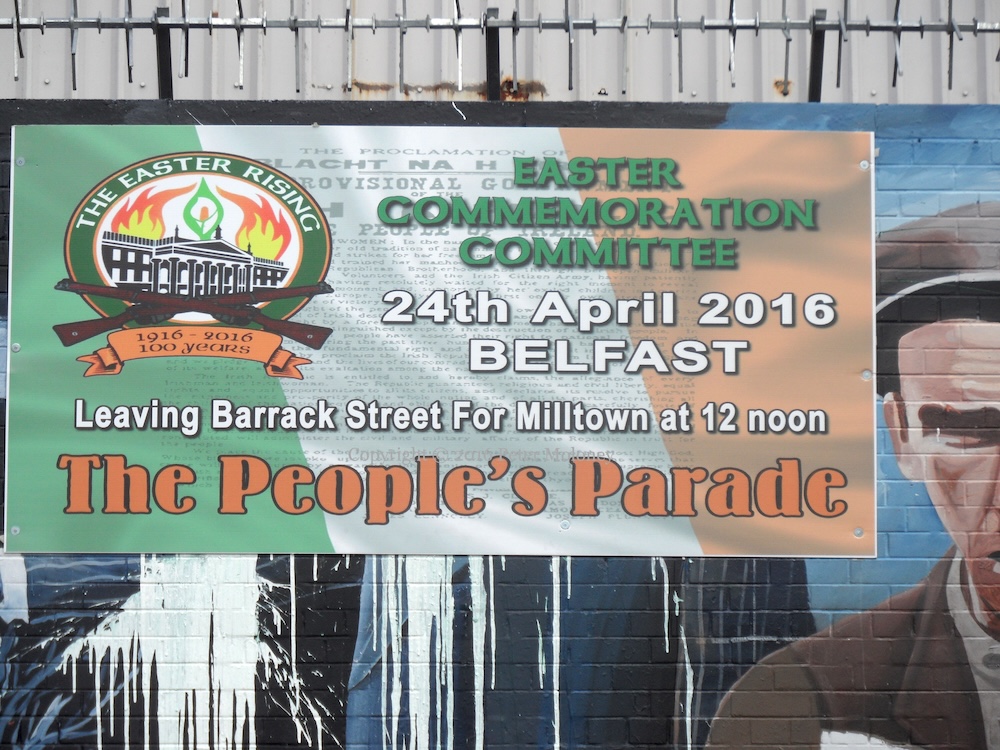
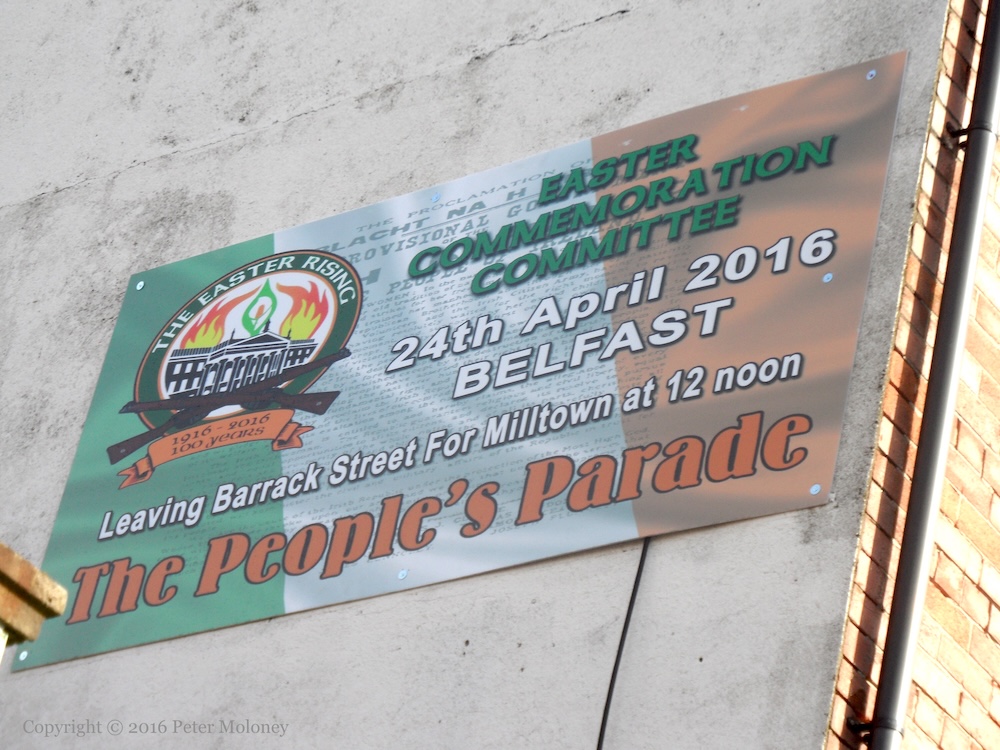
The People’s Parade (i.e. the parade supported by anti-Agreement groups) takes place April 24th, the date of the Rising in 1916; the other (Sınn Féın) parade was held on Easter Sunday, which this year was March 27th. The second board is above the RSF office/shop in the middle Falls; the upper image is on the International Wall, Divis Street, during the long time that it was being painted (and vandalised) for the centenary – it would eventually be launched on the anniversary of Casement’s execution, on August 3rd.
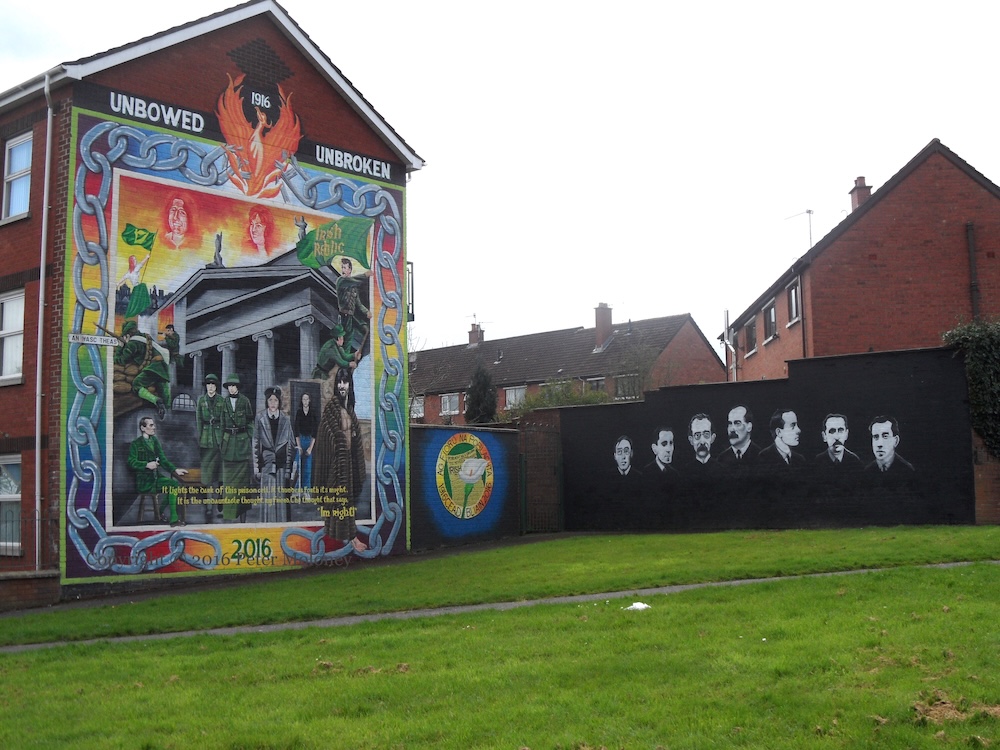
The walls at South Link, Andersonstown, have been painted with three new murals for the centenary of the Easter Rising.
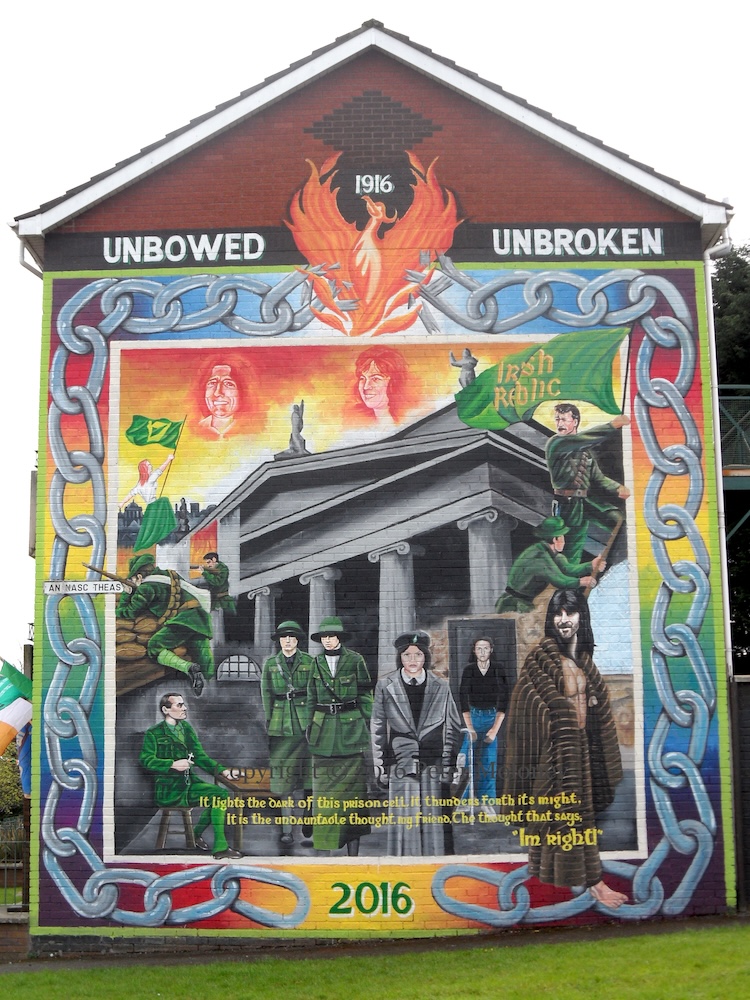
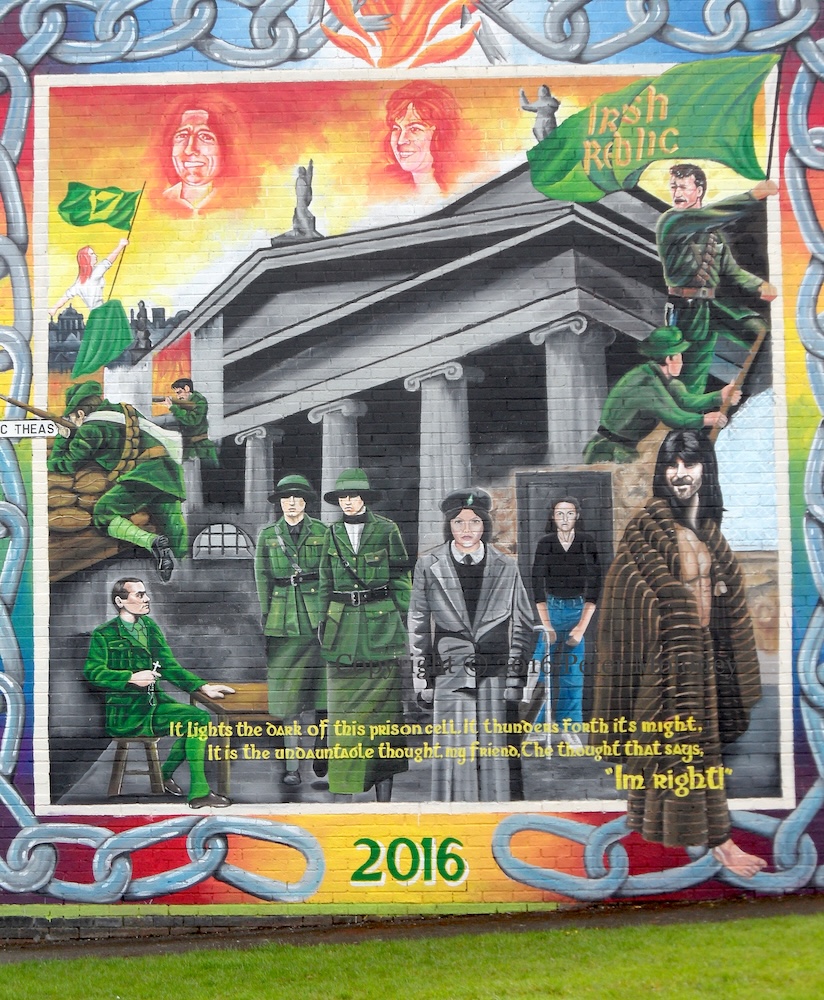
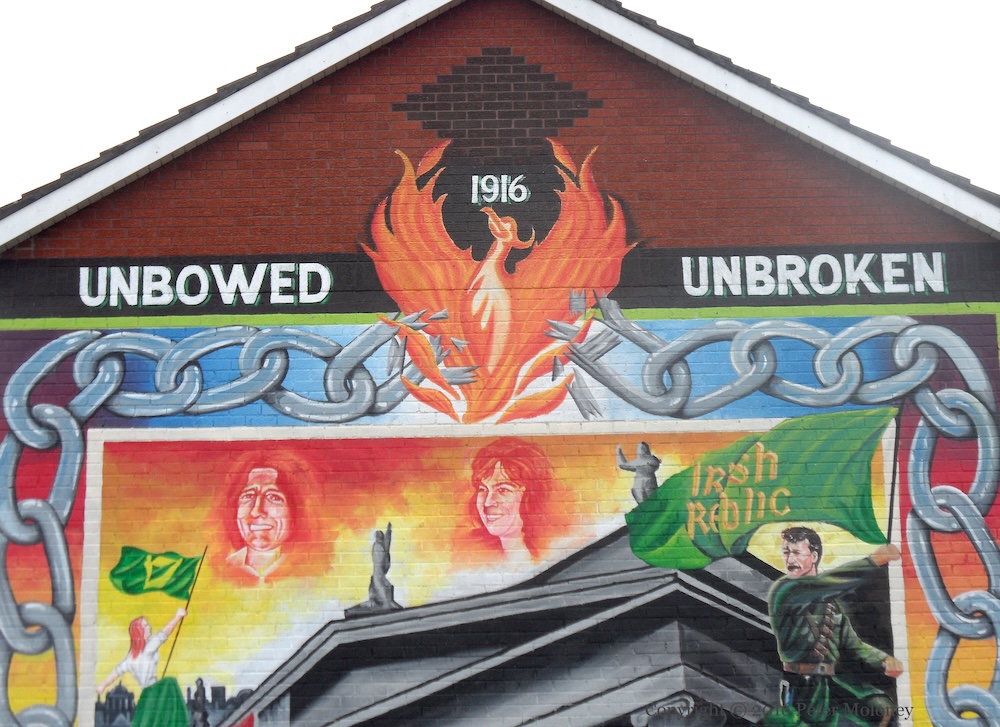
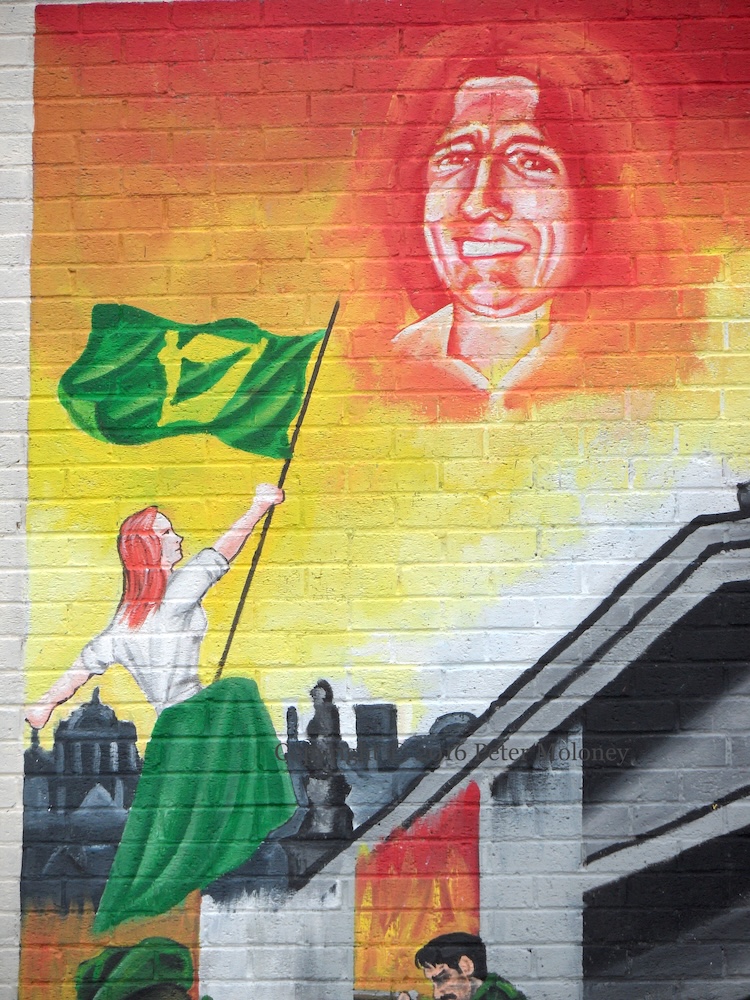
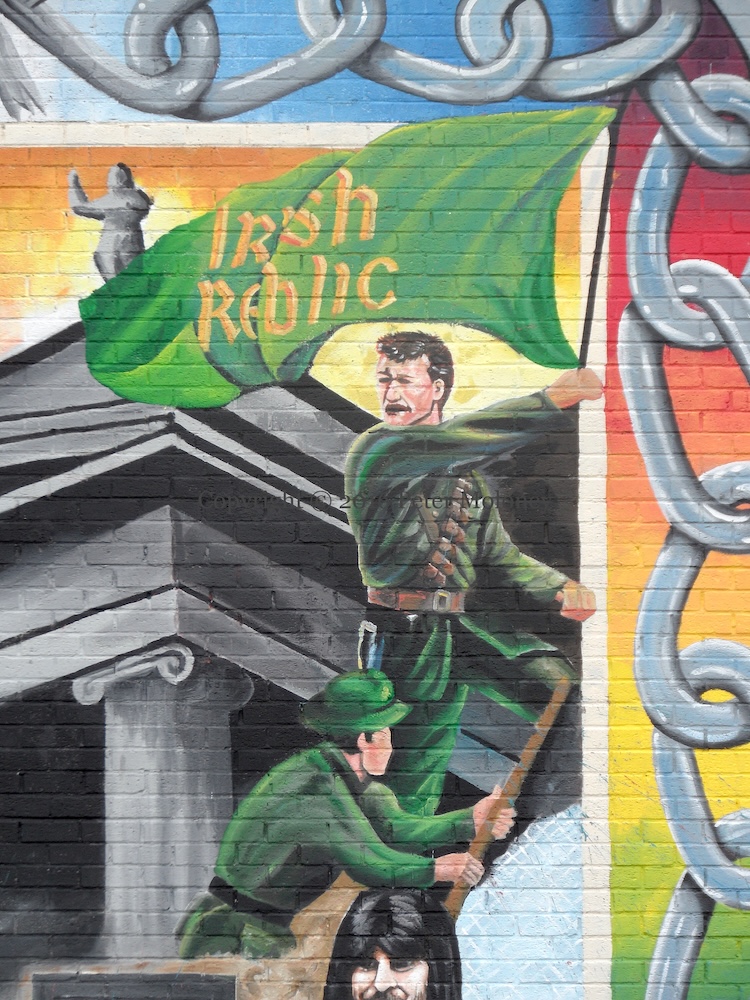
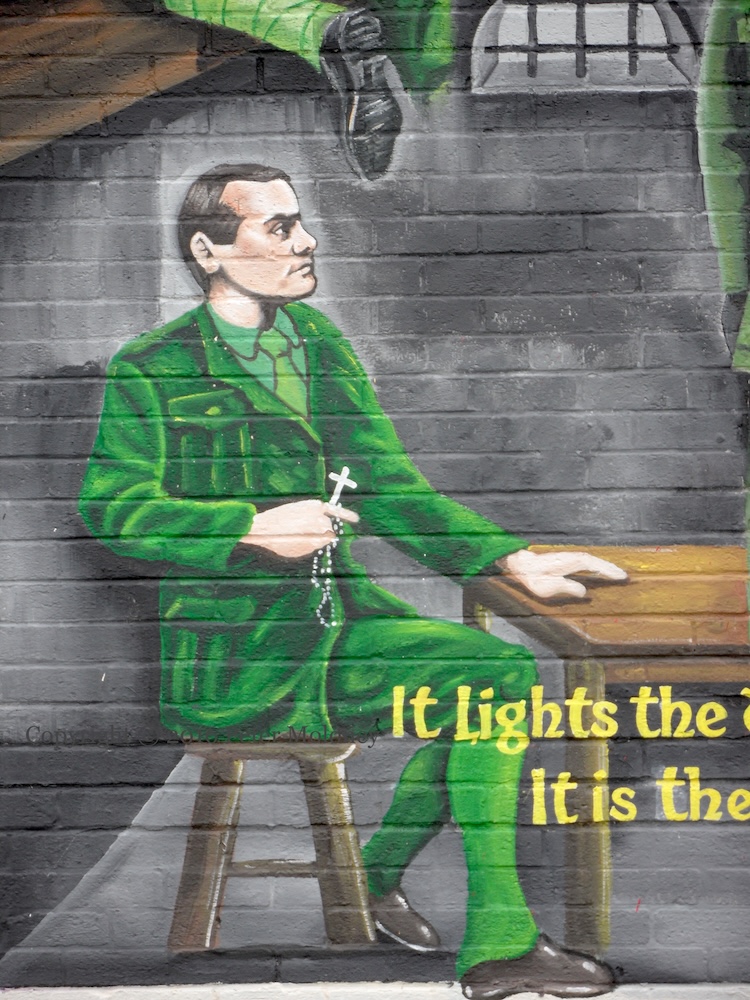
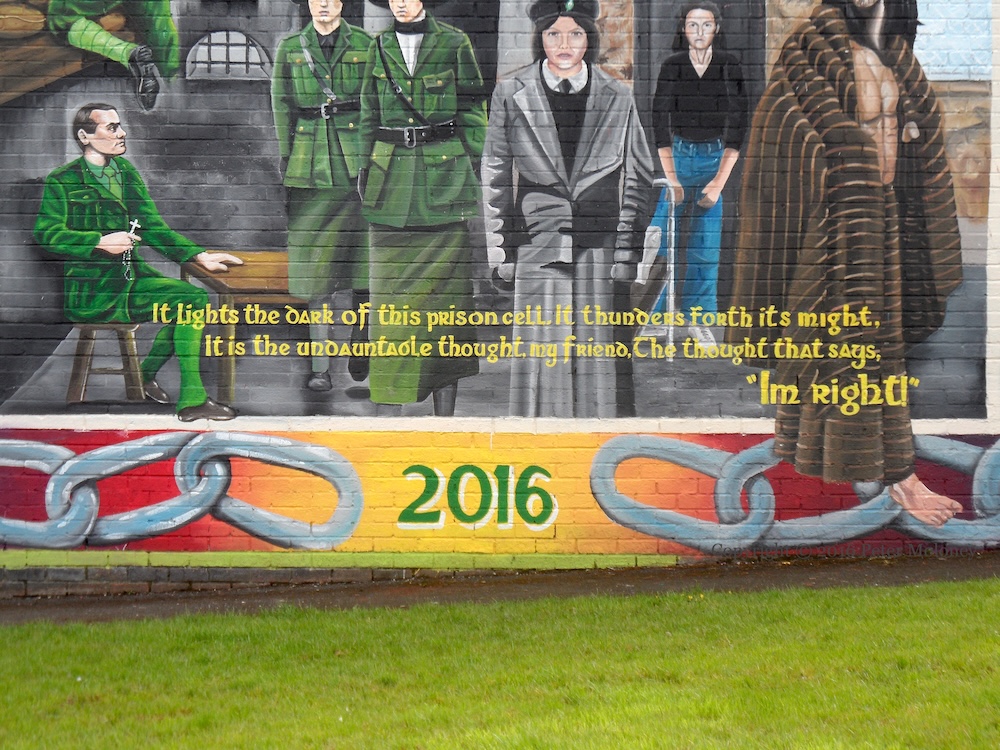
The large piece shows a succession of Irish rebels. It begins (top left) with the rebellion of 1798 and then to the Easter Rising of 1916 at the GPO in Dublin. In the lower left, a pious Padraıg Pearse awaits his execution with rosary beads in hand. There are then shown female figures from Cumann Na mBán and the IRA (see previously: United Irishwomen and Cumann Na mBan Centenary), and then Maıréad Farrell in Armagh Women’s Prison. In the bottom right corner there is a blanketman. The busts of Bobby Sands and Joe McDonnell float above the GPO and the last verse of Sands’s The Rhythm Of Time form the epigraph: “It lights the dark of this prison cell, it thunders forth its might, it is the undauntable thought, my friend, the thought that says, “I’m right”.
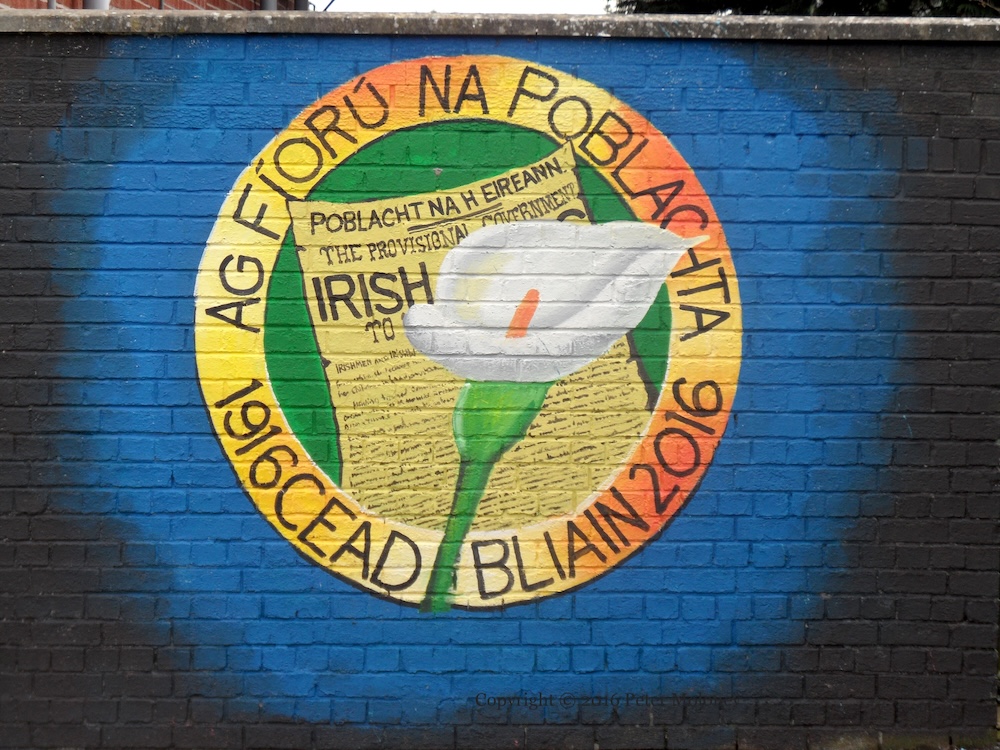
In the corner, “realising the Republic” celebrates the centenary (“Céad Blıaın 1916 – 2016”) of the Easter Rising and shows a copy of the proclamation of the republic and an Easter lily.
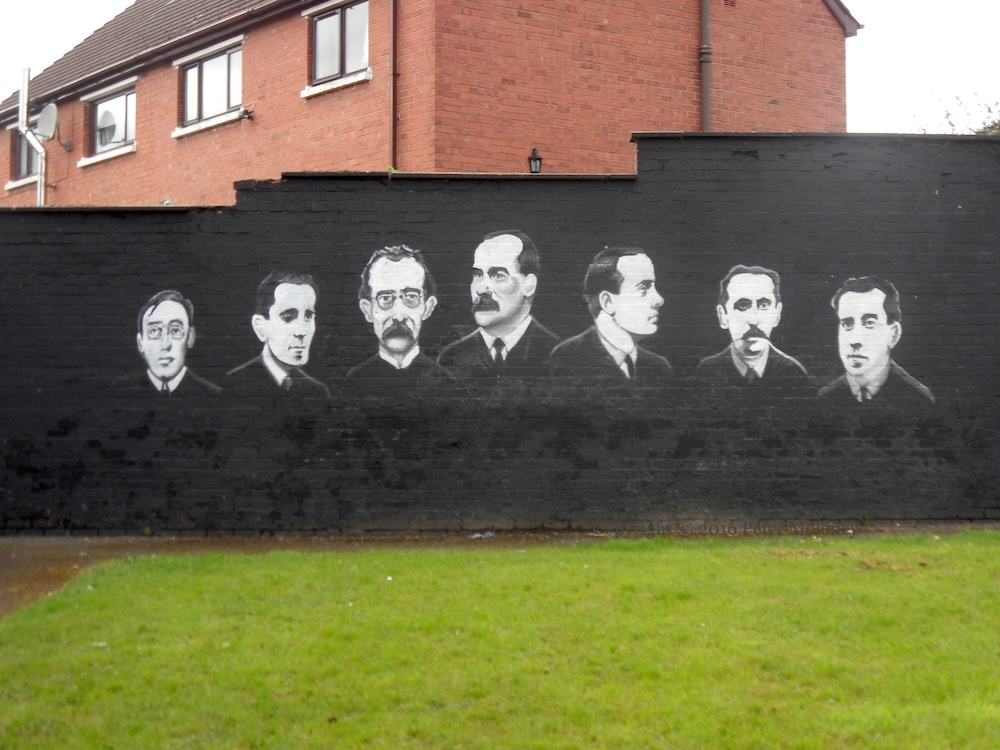
The third wall shows the seven signatories of the 1916 Proclamation of the provisional government of the Irish Republic. From left to right: Joseph Plunkett, Sean MacDiarmada, Thomas Clarke, James Connolly, Padraıg Pearse, Éamonn Ceannt, Thomas MacDonagh.
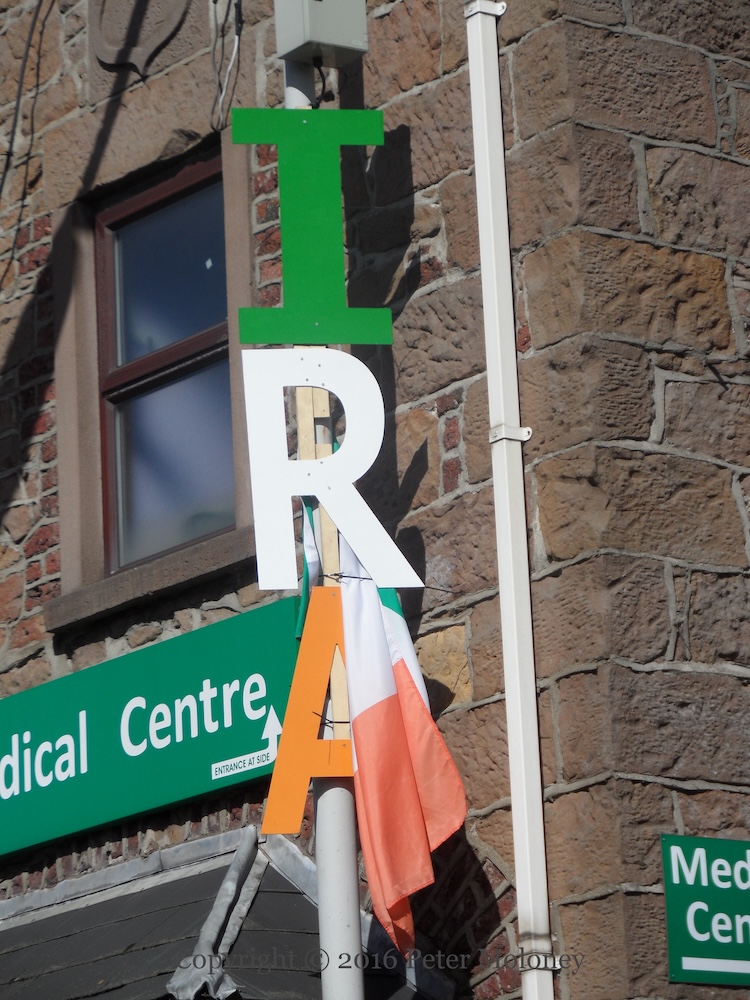
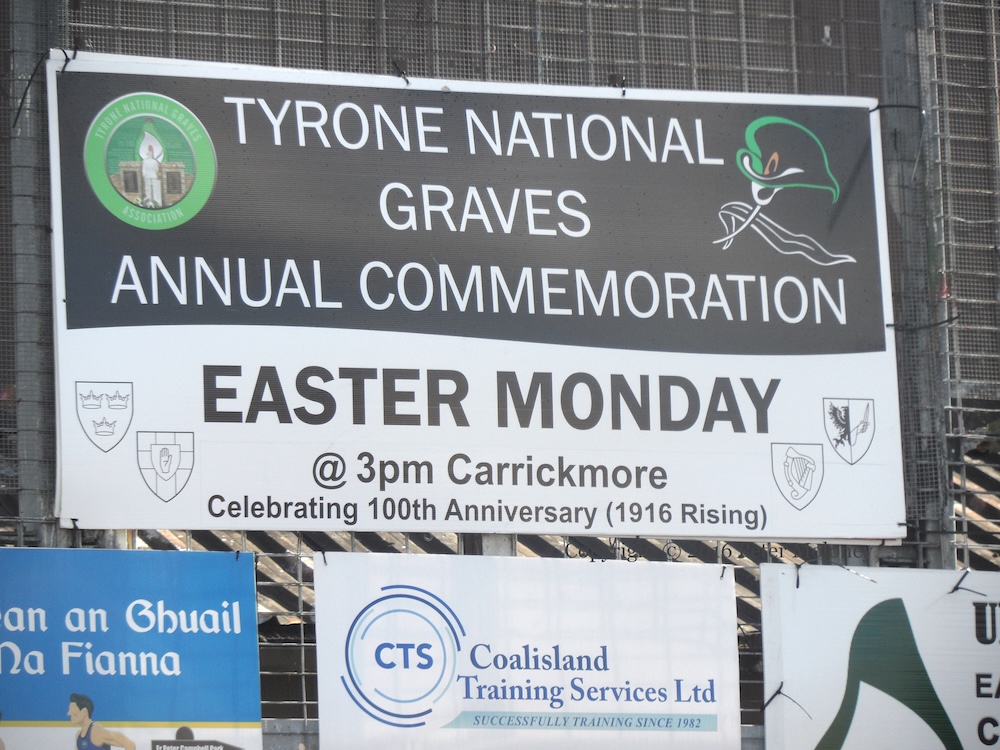
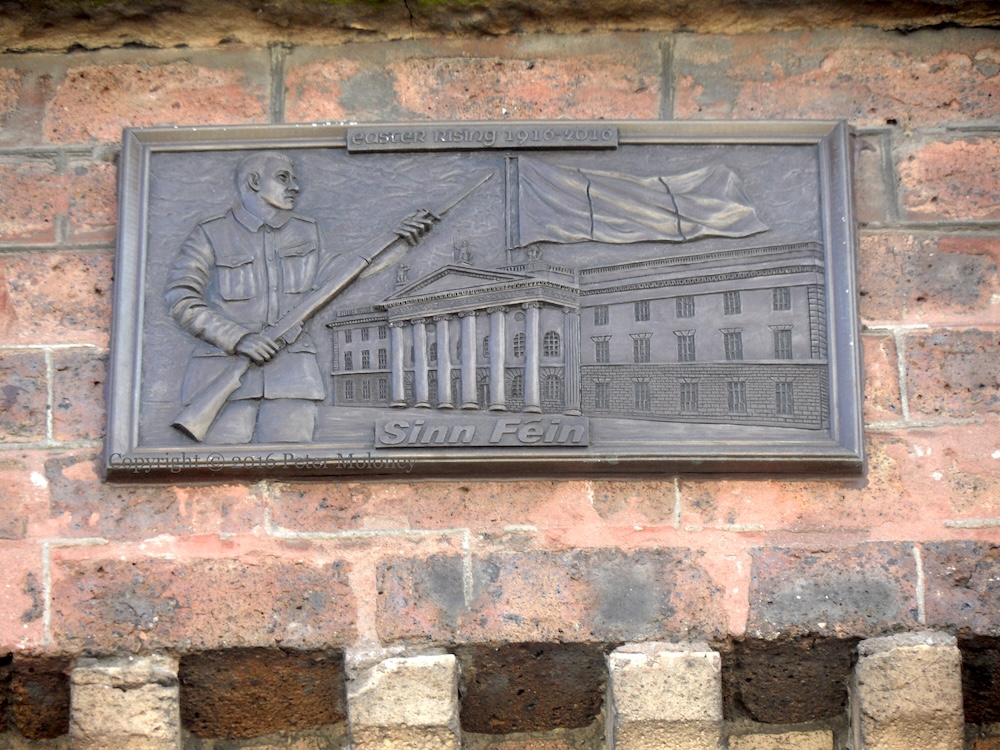
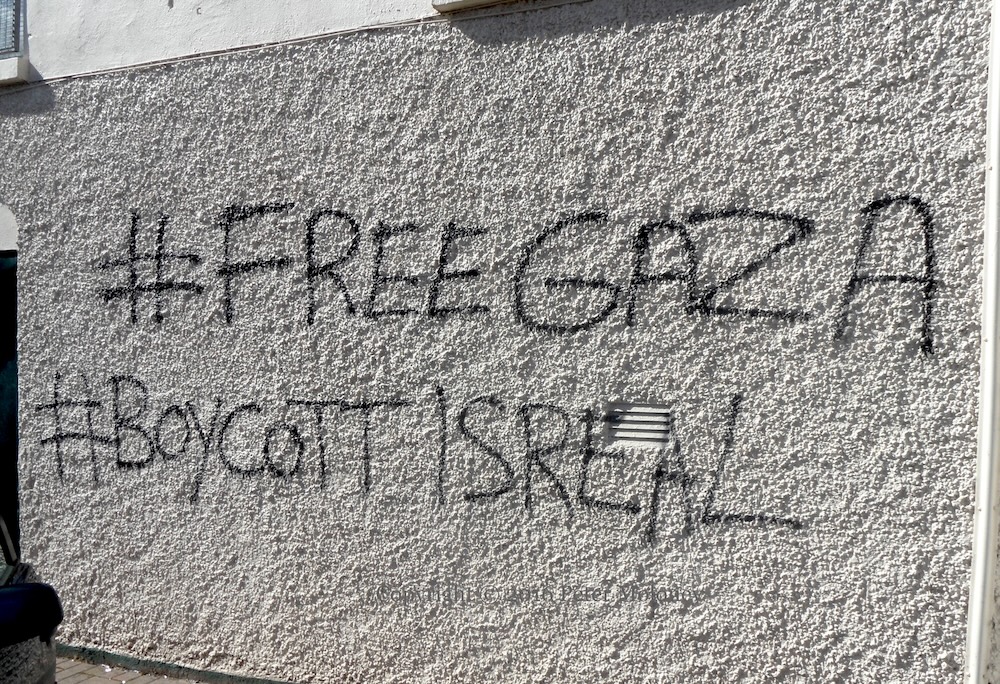
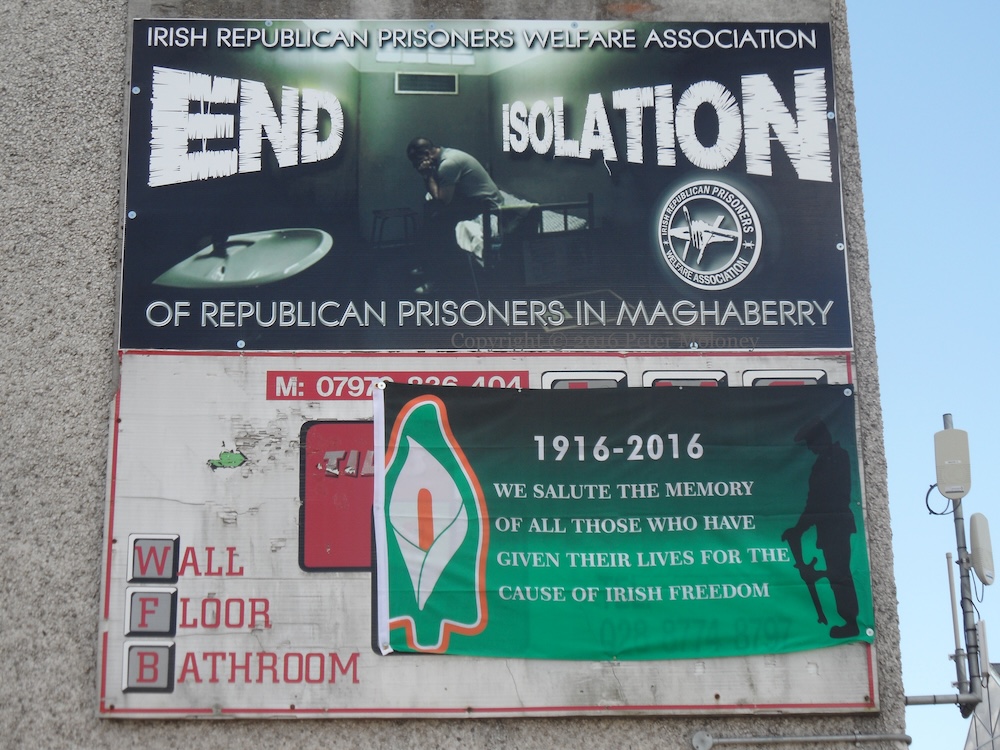
“We salute the memory of all those who have given their lives for the cause of Irish freedom.” Both pro-Agreement (Sinn Féin) and anti-Agreement (IRPWA/Saoradh/New IRA) groups are marking the centenary of the Easter Rising. Also included is a commemoration of the (1981) Hunger Strike and support expressed for Gaza: “#FreeGaza #BoycottIsreal [sic]”
Lineside, Barrack Street, and Mourne Road, Coalisland