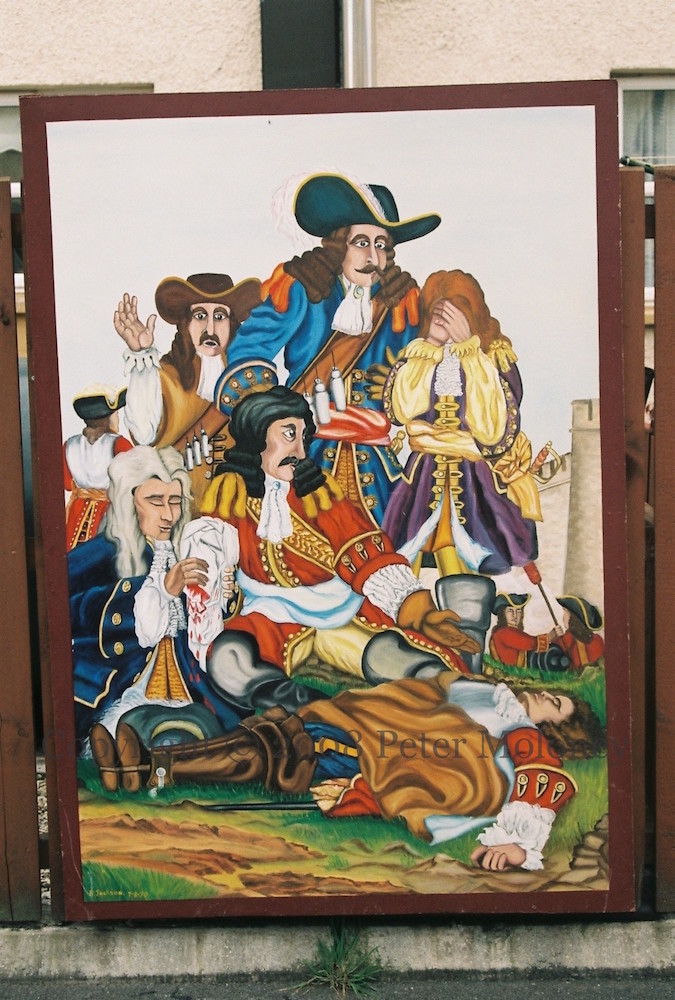
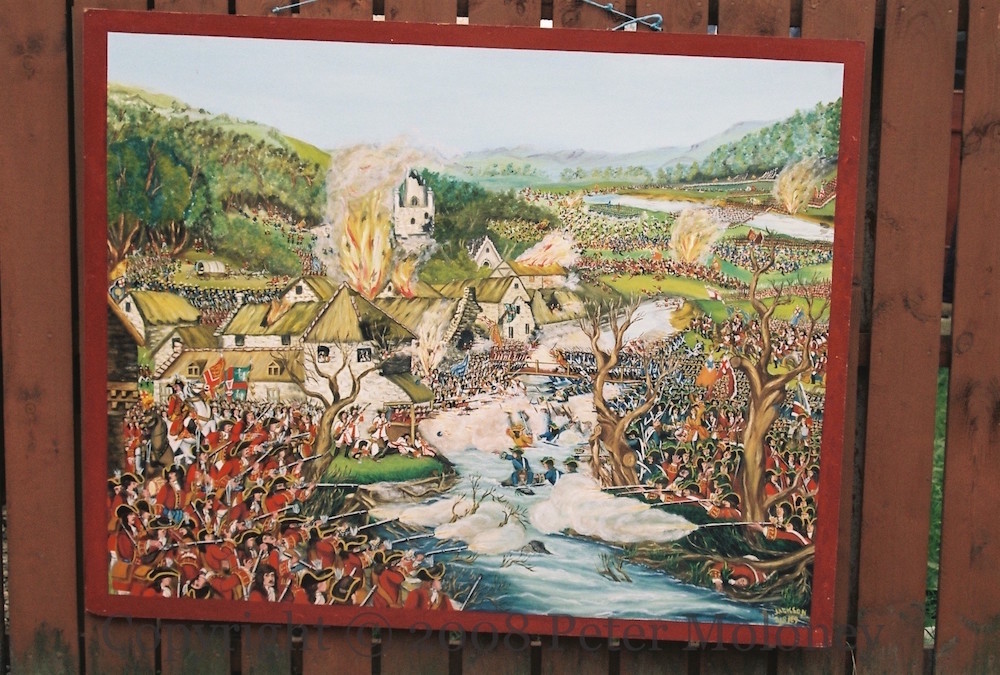
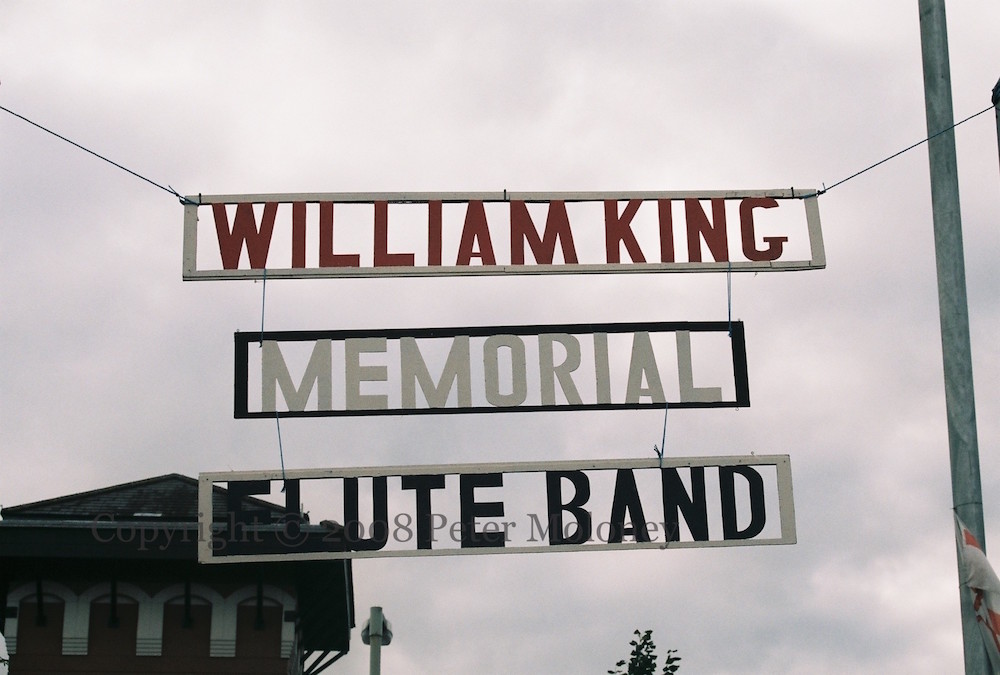
Scenes from the Siege Of Derry and Battle Of The Boyne in the Fountain, Londonderry: Captain Browning of the Mountjoy being shot as goods were unloaded from his ship, the beseiged lamenting over a dead comrade, The battle of the Boyne, battle scene, Willian King Memorial Flute Band, Siege of Derry. The area was photographed previously in 2002, 2006, and 2007.
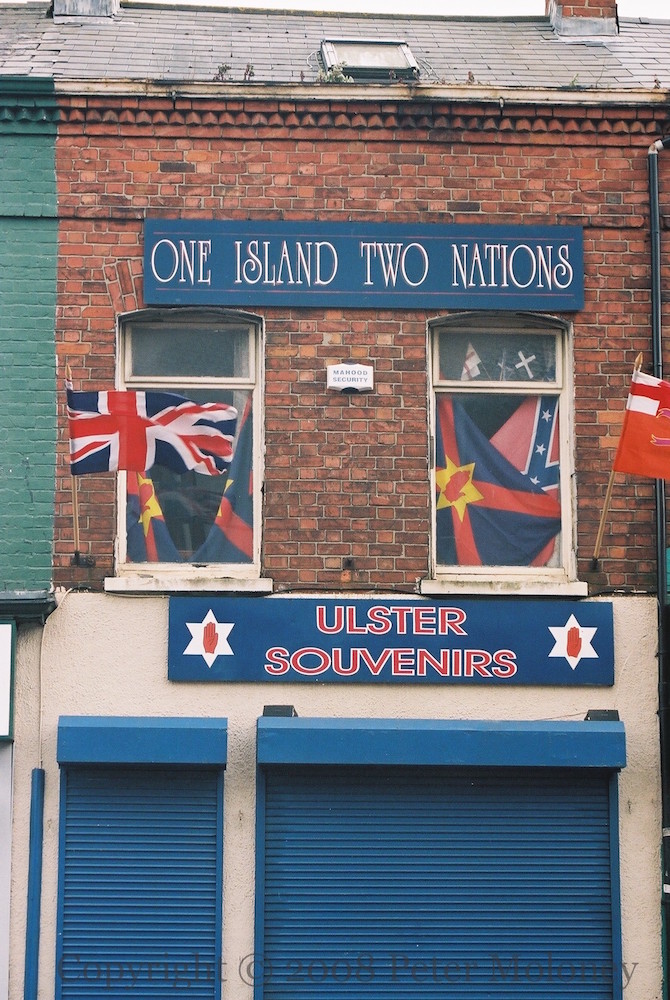
The proposed flag for an independent Northern Ireland flies in the upstairs window of the Ulster Souvenirs shop on the Shankill Road, Belfast, along with a confederate flag. ‘Ulster nationalism’ was espoused by the UDA in the 70s and early 80s.
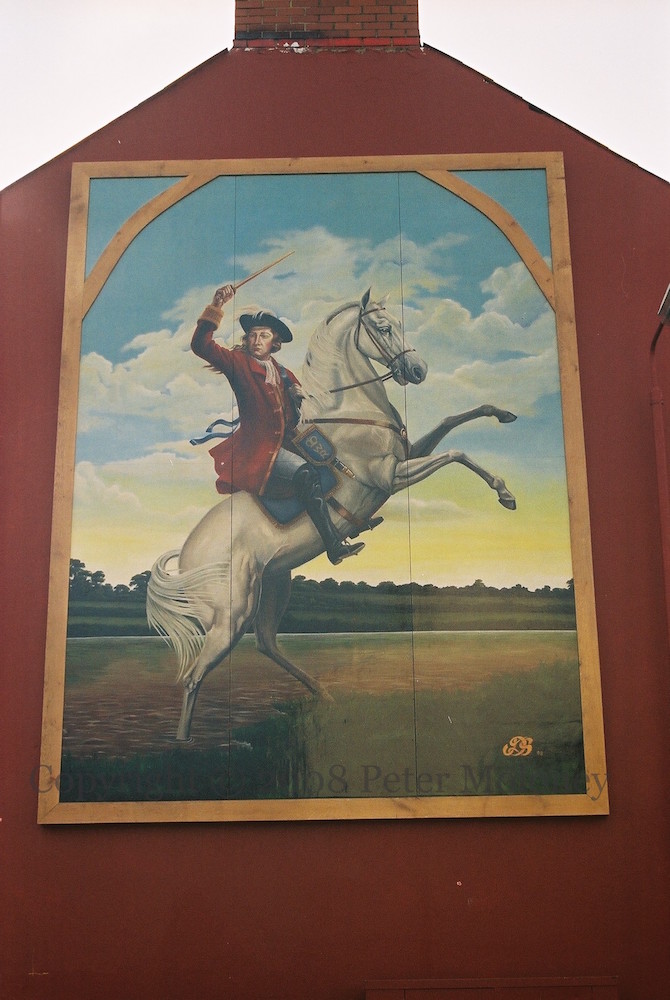
The Village Eddie is re-imaged with a painting of King Billy at the Boyne by John Darren Sutton in Tavanagh Street, Belfast.
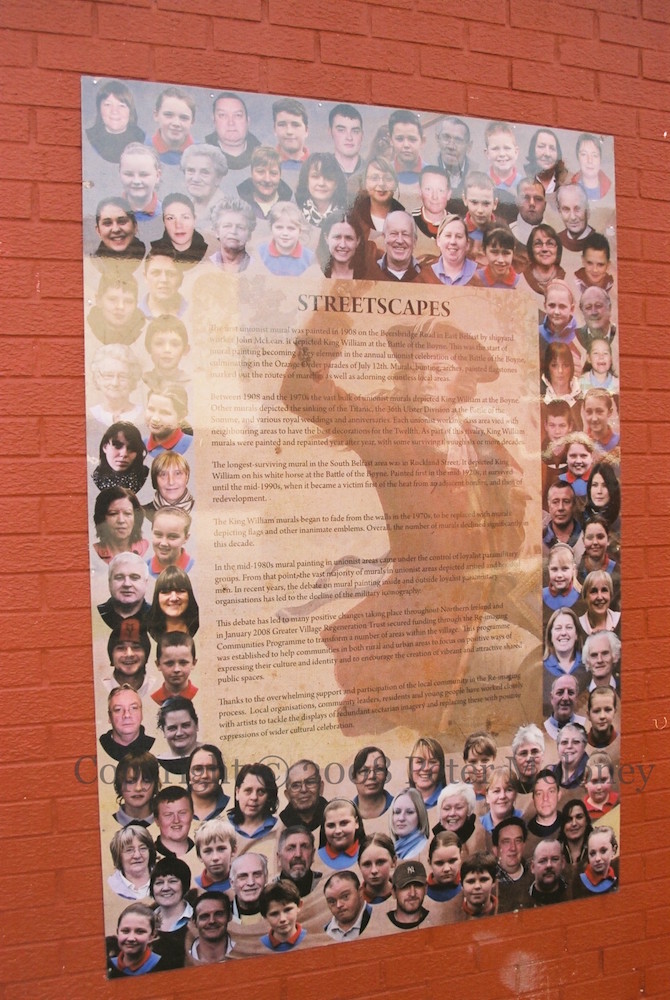
“The first unionist mural was painted in 1908 on the Beersbridge Road in East Belfast by shipyard worker John McLean. It depicted King William at the Battle of the Boyne. This was the start of mural painting becoming a key element in the annual unionist celebration of the Battle of the Boyne, culminating in the Orange Order parades of July 12th. Murals, bunting, arches, painted flagstones, marked out the route of marches as well as adorning countless local areas. Between 1908 and the 1970s the vast bulk of unionist murals depicted King William at the Boyne. Other murals depicted the sinking of the Titanic, the 36th Ulster [sic] Division at the Battle of the Somme, and various royal weddings and anniversaries. Each unionist working class area vied with the neighbouring areas to have the best decorations for the Twelfth. As part of this rivalry, King William murals were painted and repainted year after year, with some surviving through six or more decades. The longest-surviving mural in the South Belfast area was in Rockland Street. It depicted King William on his white horse at the Battle of the Boyne. Painted first in the mid-1920s, it survived until the mid-1990s, when it became a victim first of the heat from an adjacent bonfire, and then of redevelopment. The King William murals began to fade from the walls in the 1970s, to be replaced with murals depicting flags and other inanimate emblems. Overall, the number of murals declined significantly in this decade. In the mid-1980s mural painting in unionist areas came under the control of loyalist paramilitary groups. From that point, the vast majority of murals in unionist areas depicted armed and hooded men. In recent years, the debate on mural painting inside and outside loyalist paramilitary organisations has led to the decline of the military iconography. This debate has led to many positive changes taking place throughout Northern Ireland and in January 2008 Greater Village Regeneration Trust secured funding through the Re-imaging Communities Programme to transform a number of areas within the village. This programme was established to help communities in both rural and urban areas to focus on positive ways of expressing their culture and identity and to encourage the creation of vibrant and attractive shared spaces. Thanks to the overwhelming support and participation of the local community in the Re-imaging process. Local organisations, community leaders, residents and young people have worked closely with artists to tackle the displays of redundant sectarian imagery and replacing these with positive expressions of wider cultural celebration.”
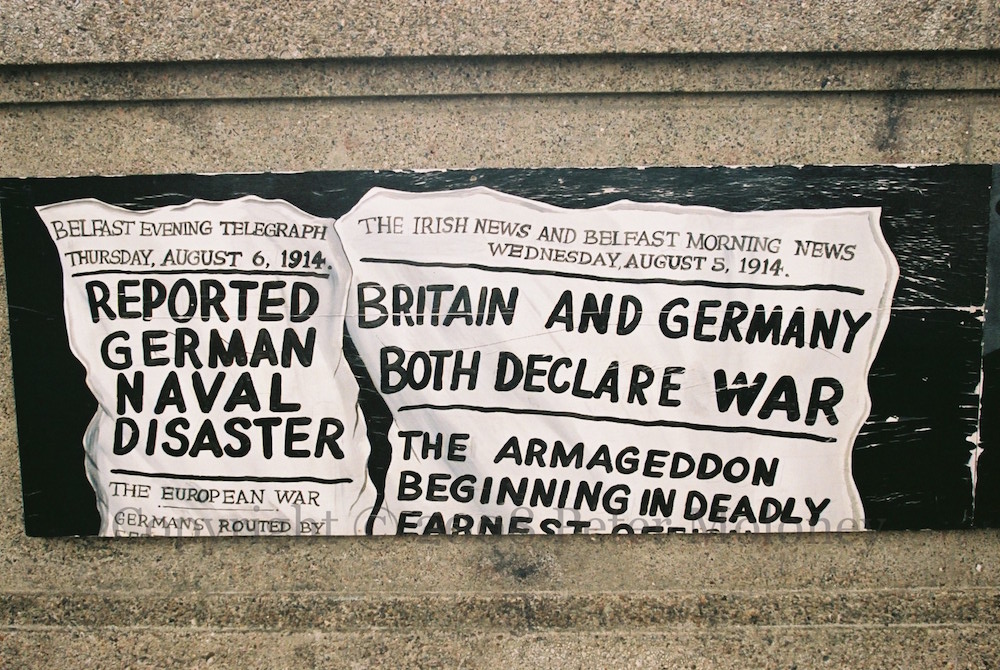
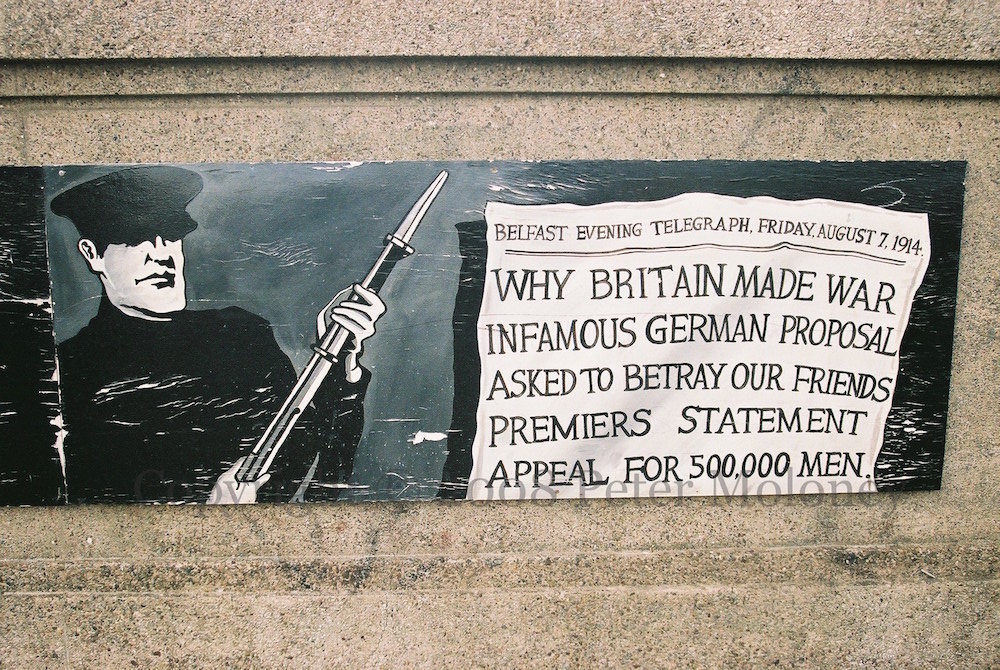
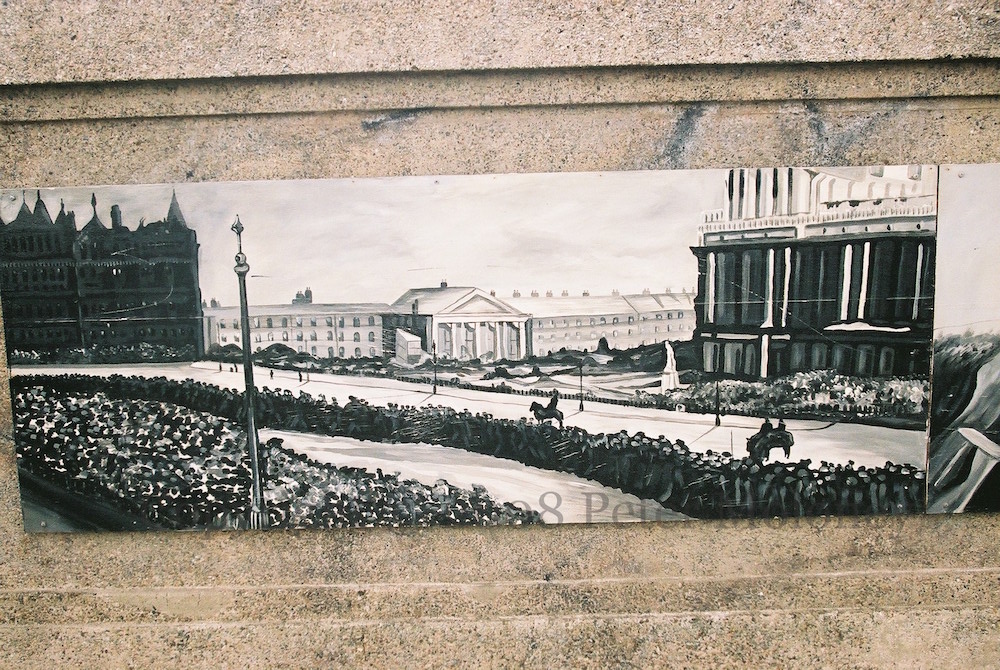
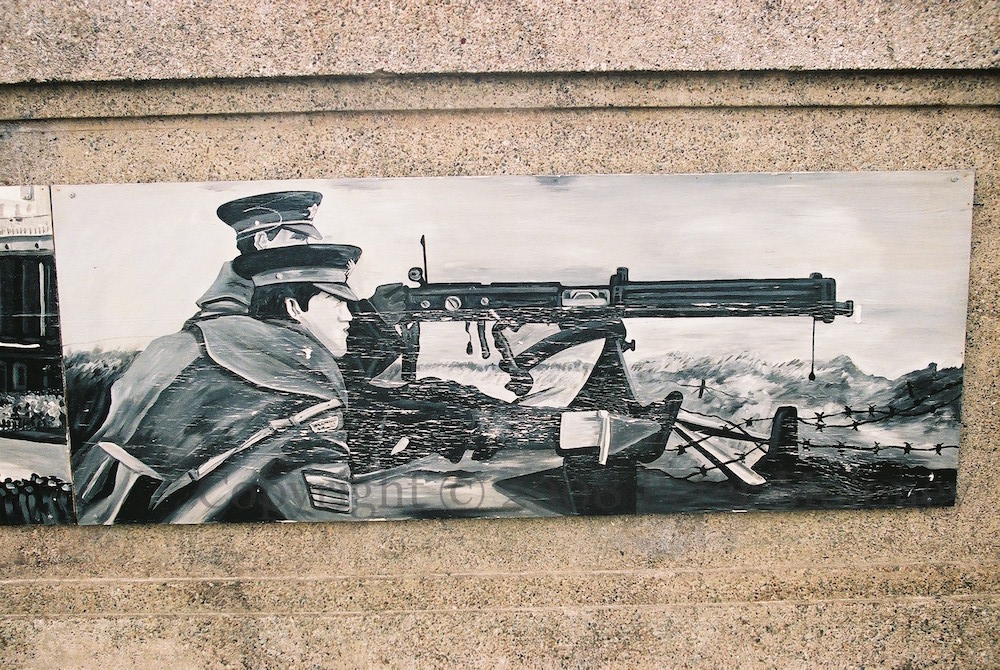
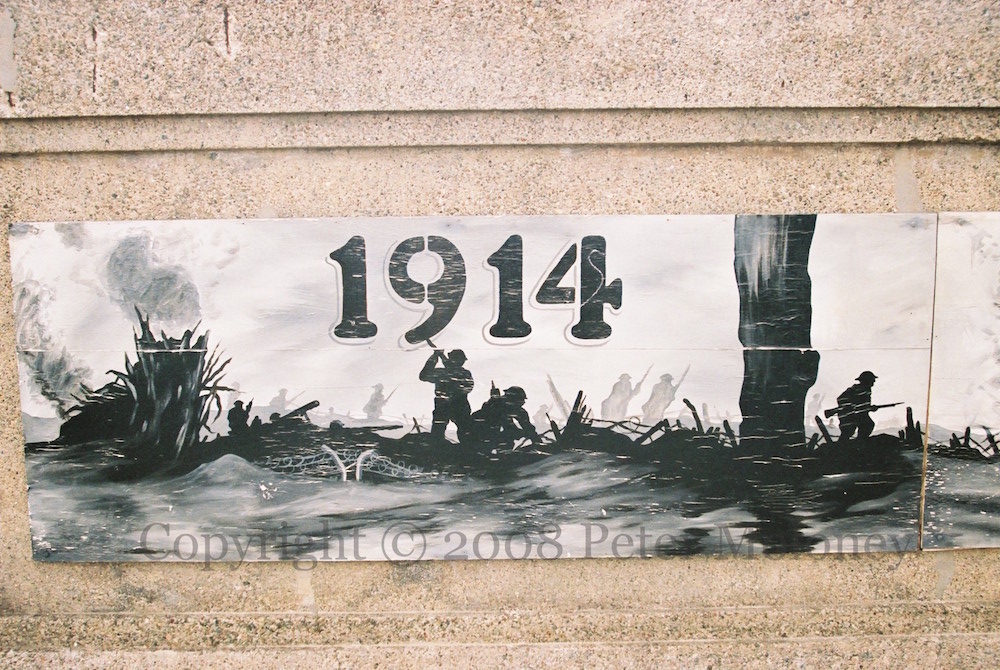
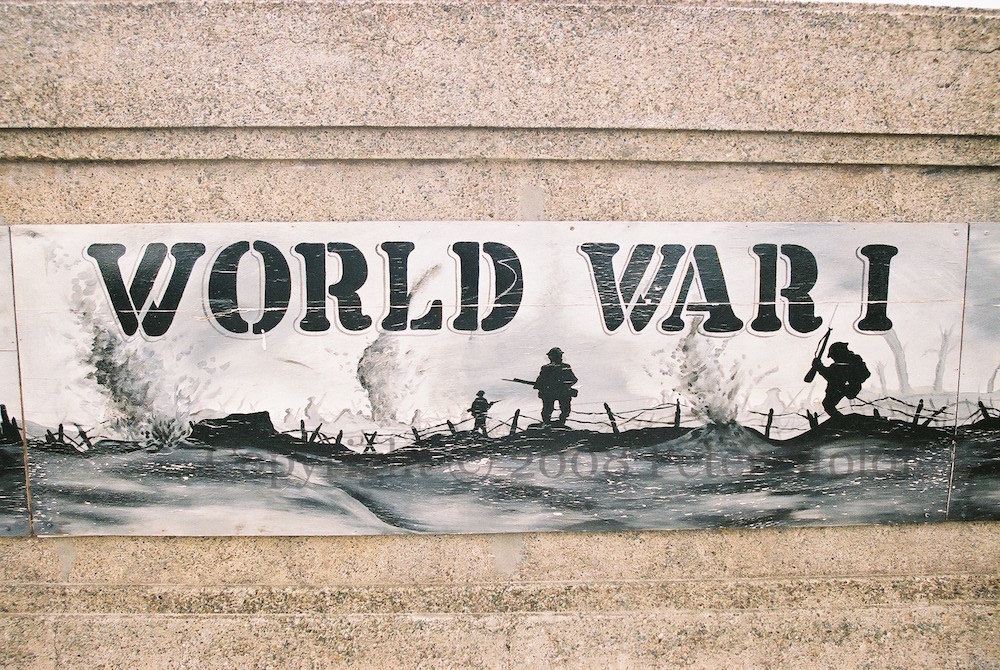
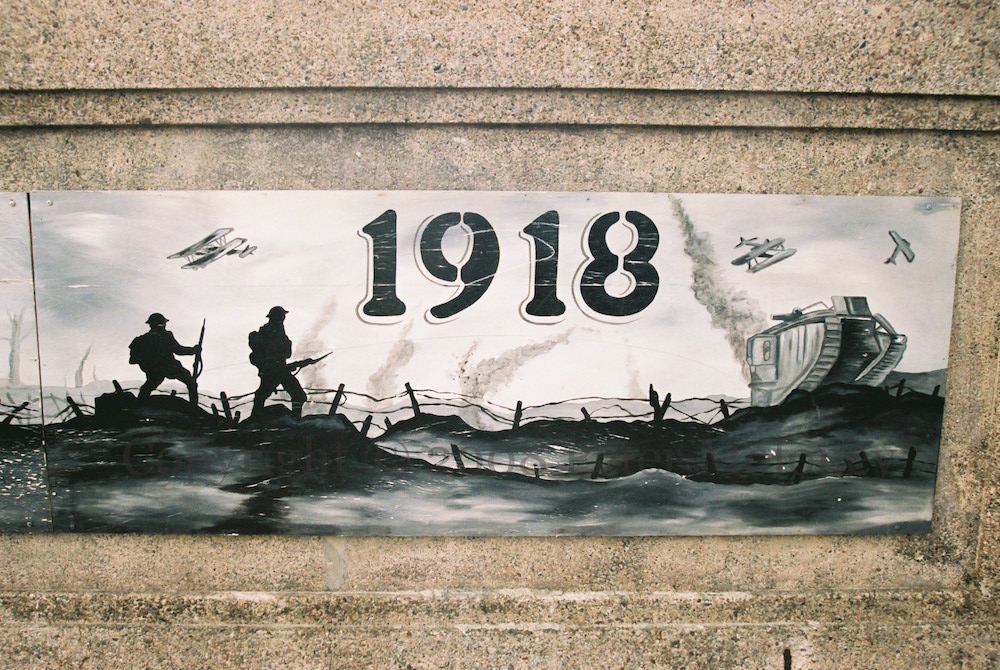
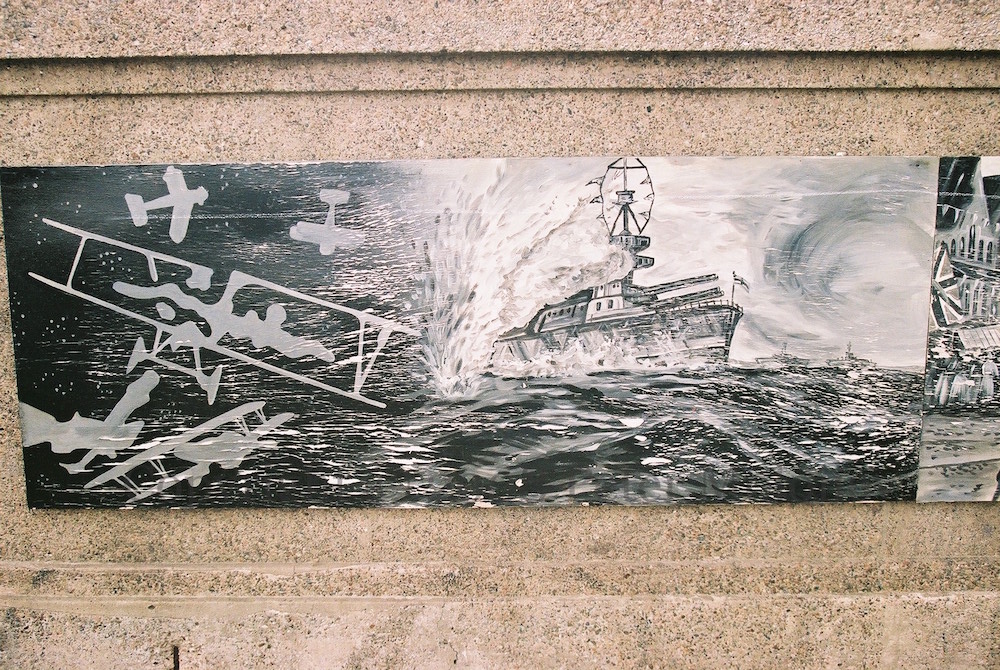
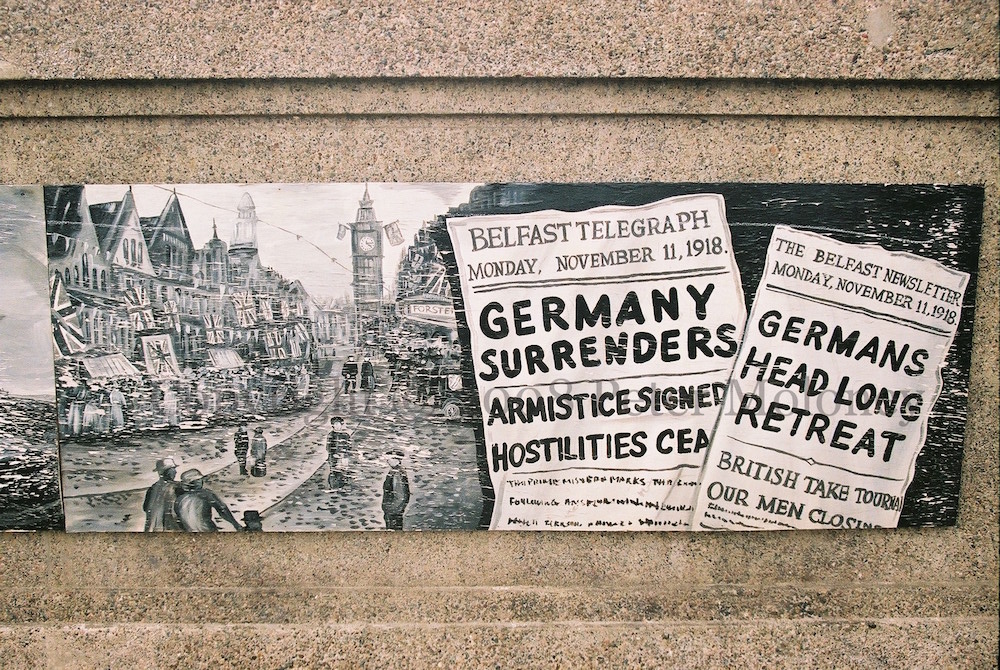
The course of World War I, 1914-1918, is depicted in a series of boards along the north side of the Donegall Road bridge, with newspaper headlines from local papers and images of Belfast as troops leave and at the armistice.
These five panels on the south side of the Donegall Road bridge commemorate the “Belfast Blitz” – the four occasions in April and May of 1941 on which Belfast incendiary (“fire”) and high explosive (“HE”) bombs were dropped by Nazis airplanes, killing 900 people.
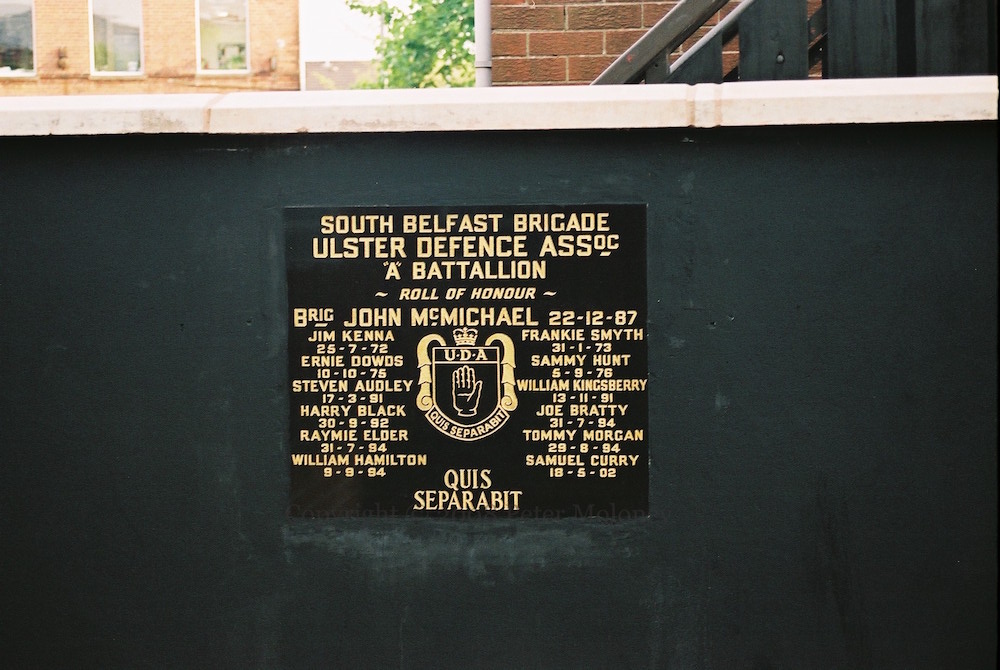
The UDA memorial garden is just off Sandy Row, near the John McMichael Centre.
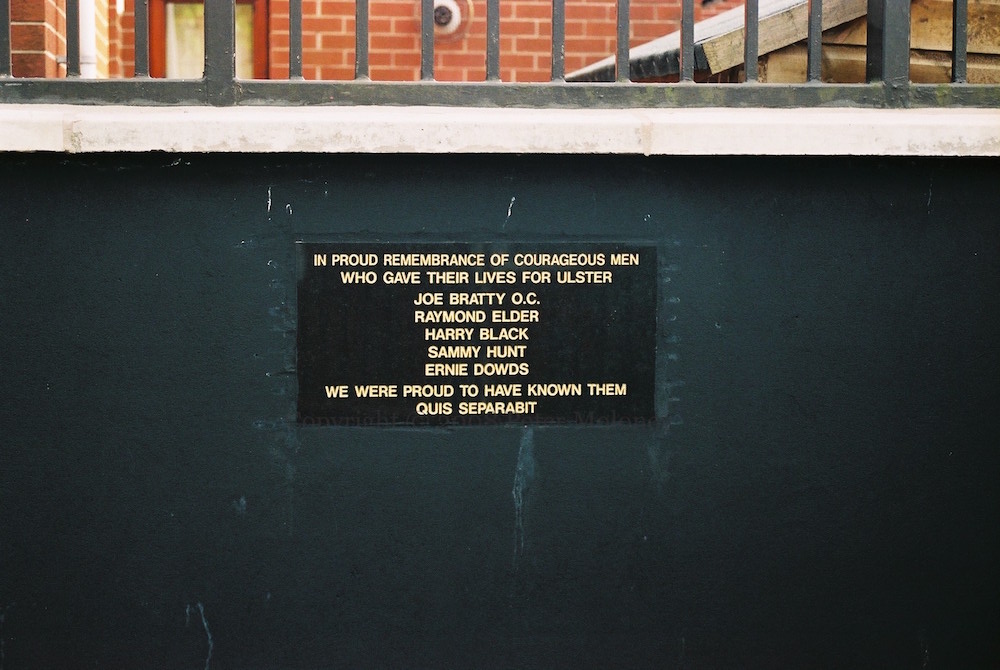
One board (shown fourth) reproduces a mural (see 2005 M02408) from nearby Rowland Way, which was itself a repaint of an earlier (see 1995 M01183 and 2001 M01518) mural, though updated to note the “distinguished service” of Samuel Curry.
The same thirteen names also appear on the “roll of honour” plaque in the garden. The South Belfast UDA/UFF commander John McMichael was killed by an IRA car bomb in 1987. In addition to organising a team of assassins in the 70s and 80s, he founded a Political Research Group and wrote two documents proposing an independent Northern Ireland. Joe Bratty was killed, along with “Raymie” Elder, by the IRA in 1994 (WP).