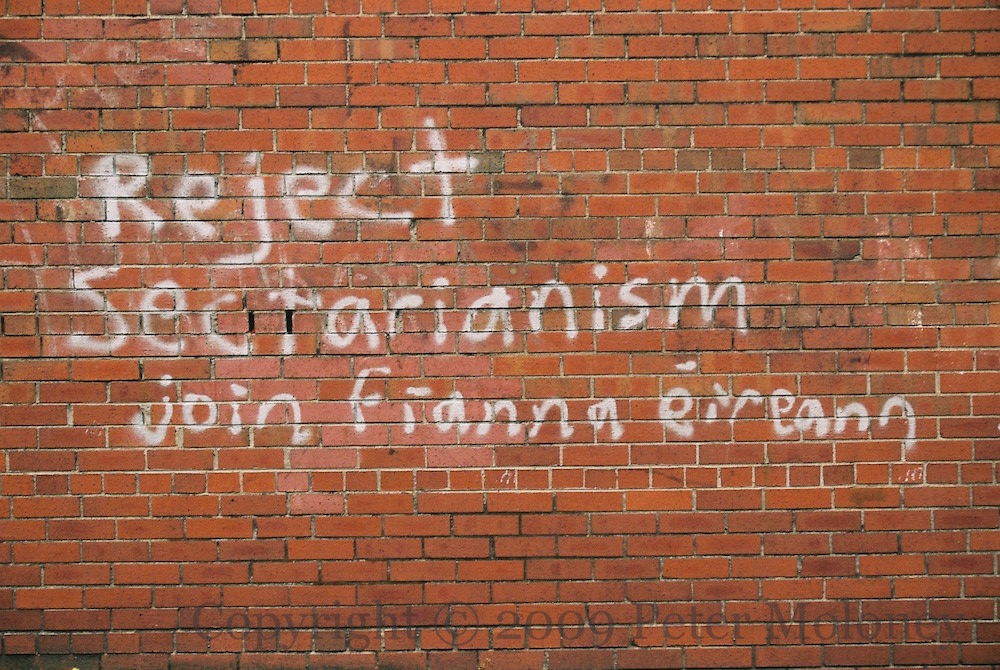
“Reject sectarianism – join Fıanna Éıreann” – republican (CIRA or RIRA) graffiti in Rockmount Street, Belfast.
Click image to enlarge
Copyright © 2009 Peter Moloney
M04895
“Reject sectarianism – join Fıanna Éıreann” – republican (CIRA or RIRA) graffiti in Rockmount Street, Belfast.
Click image to enlarge
Copyright © 2009 Peter Moloney
M04895

CIRA [Continuity IRA] on a bollard at the junction of Stewartstown and Lagmore Roads.
Click image to enlarge
Copyright © 2009 Peter Moloney
M04767
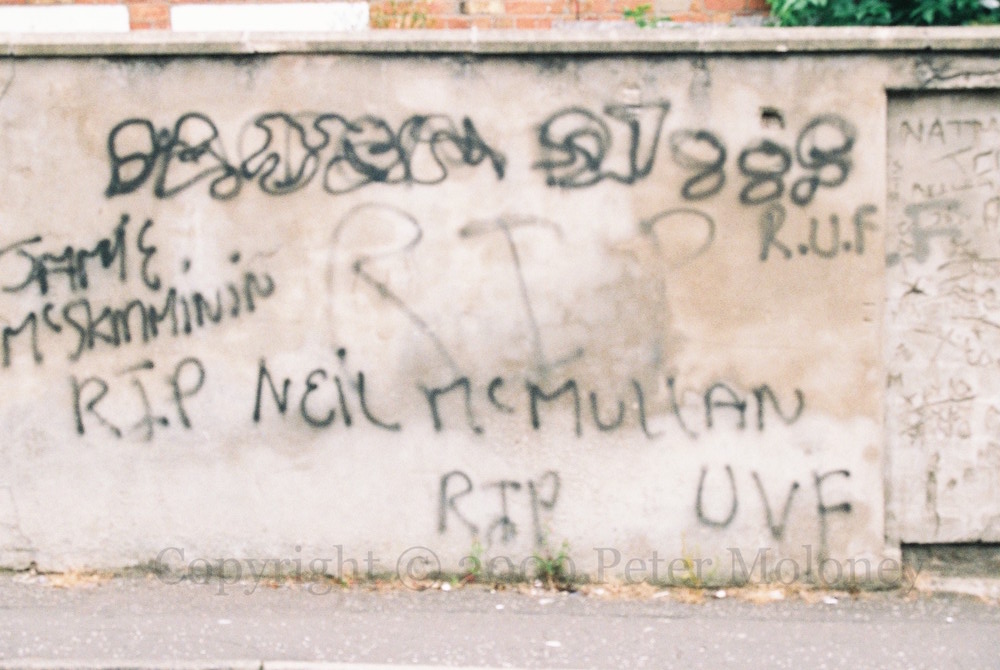
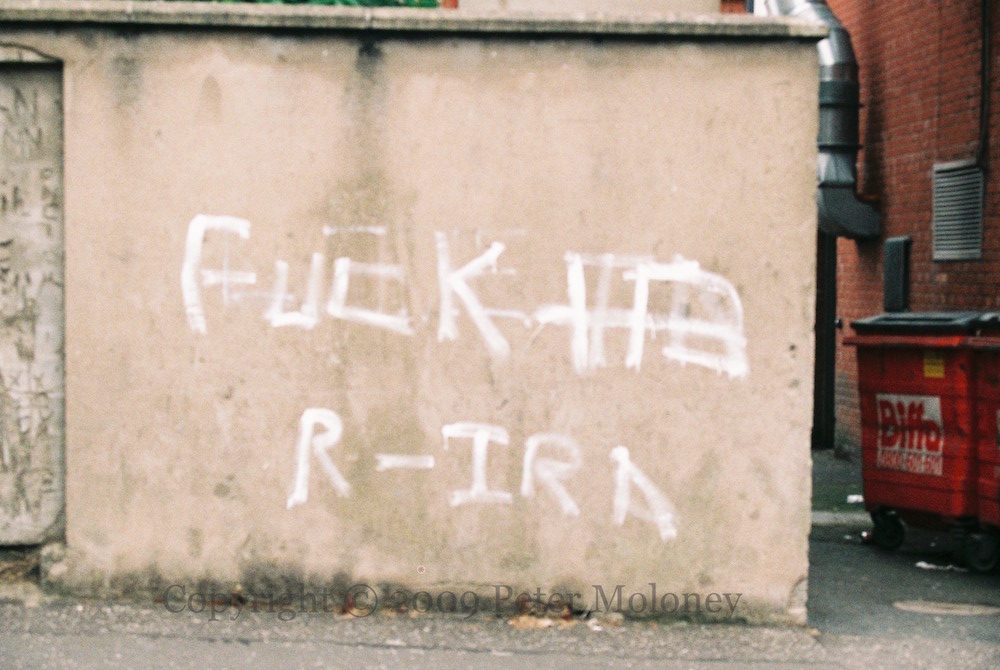
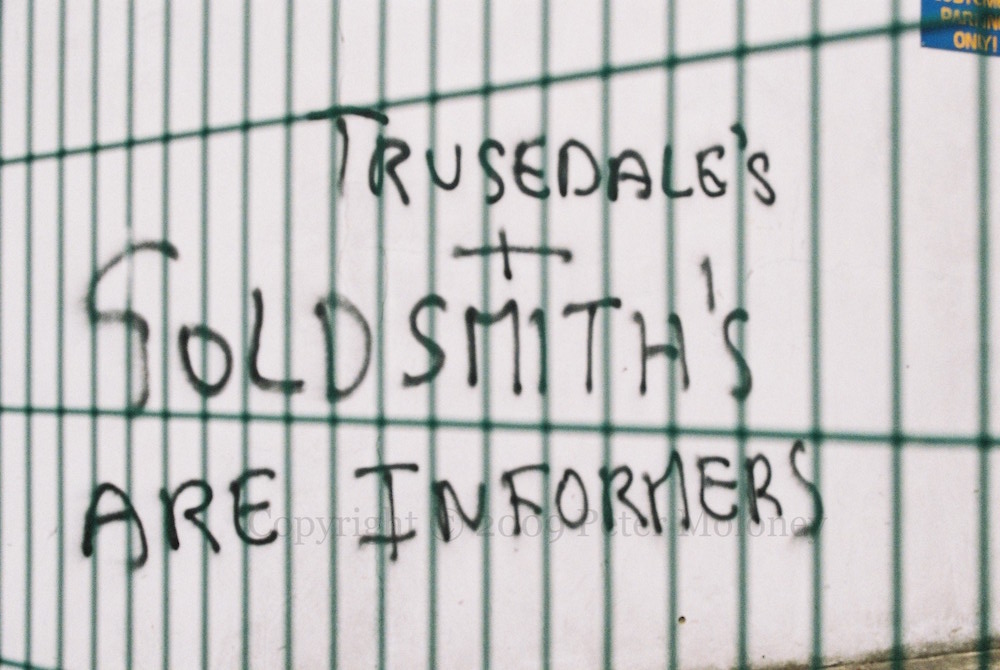
Three pieces of graffiti from Lisburn’s Warren Park neighbourhood: “RIP Neil McMullan UVF”, “Fuck R-IRA”, and “Trusedale’s and Goldsmith’s are informers”. The references are unknown – please comment or get in touch if you can shed any light.
Click image to enlarge
Copyright © 2009 Peter Moloney
M04741 M04742 M04743
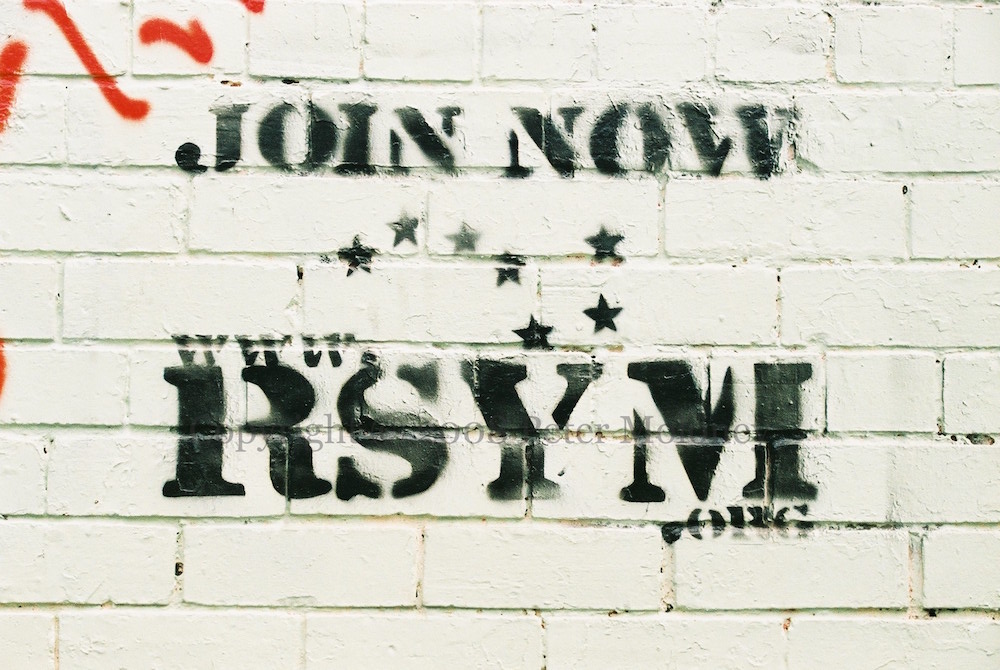
“Join now – http://www.rsym.org” The Republican Socialist Youth Movement is no longer at the URL. Beechmount Avenue, Belfast, next to the Turkish Hunger Strikes and Santa Is A British Agent.
Click image to enlarge
Copyright © 2008 Peter Moloney
M04487


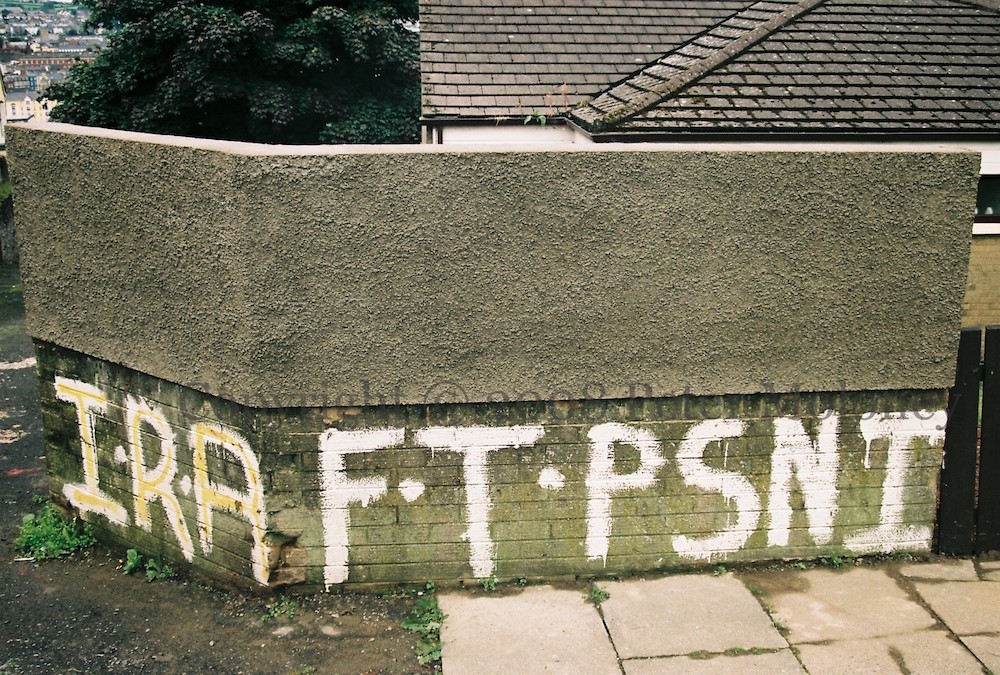
These images are from Top Of The Hill/Gobnascale. The size of the Tricolour flying on Old Strabane Road can be gauged by the second picture, which was taken from Craigavon bridge.
Click image to enlarge
Copyright © 2008 Peter Moloney
M04439 [M04440] M04441 M04438 M04437
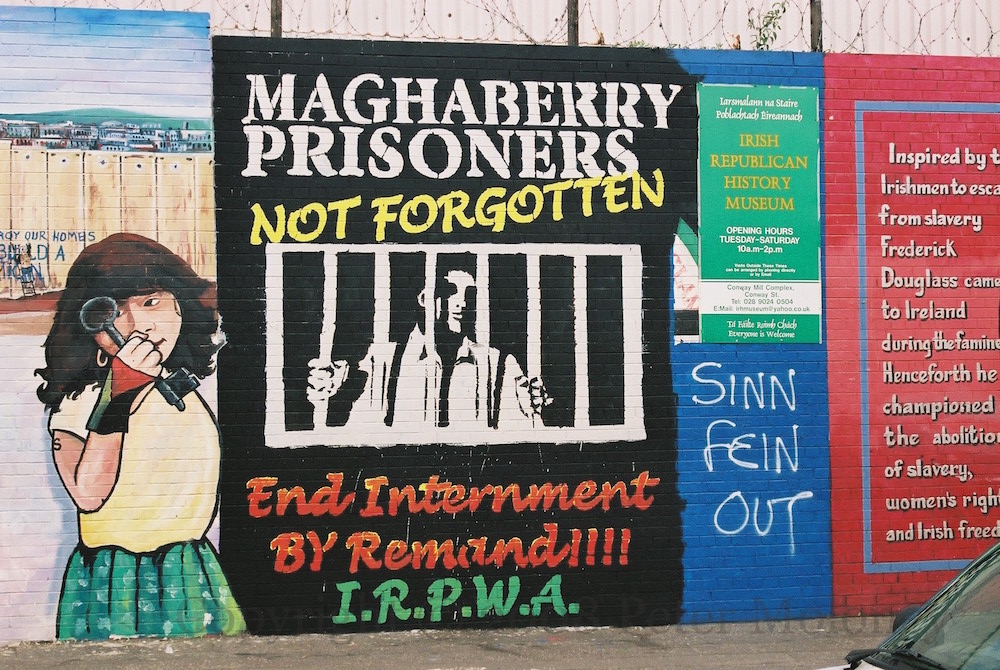
“Maghaberry Prisoners Not Forgotten – End internment by remand!!! IRPWA” IRPWA = Irish Republican Prisoners Welfare Association (irpwa.com).
Divis Street, Belfast
Click image to enlarge
Copyright © 2008 Peter Moloney
M03989 [M03988]
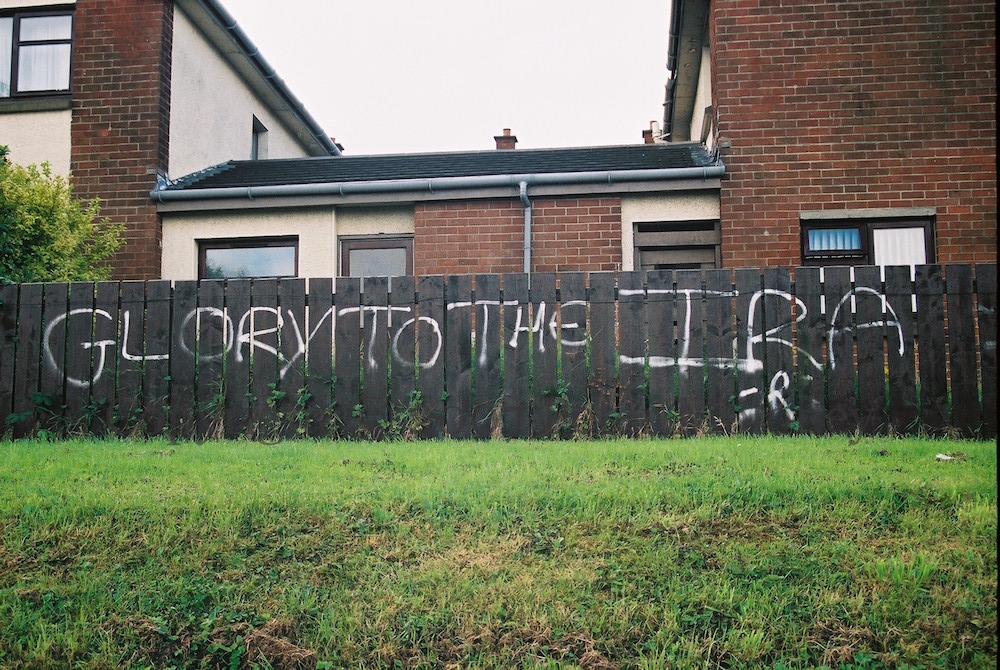
Republican graffiti in Strabane Old Road, Gobnascale, Derry.
Click image to enlarge
Copyright © 2007 Peter Moloney
M03640
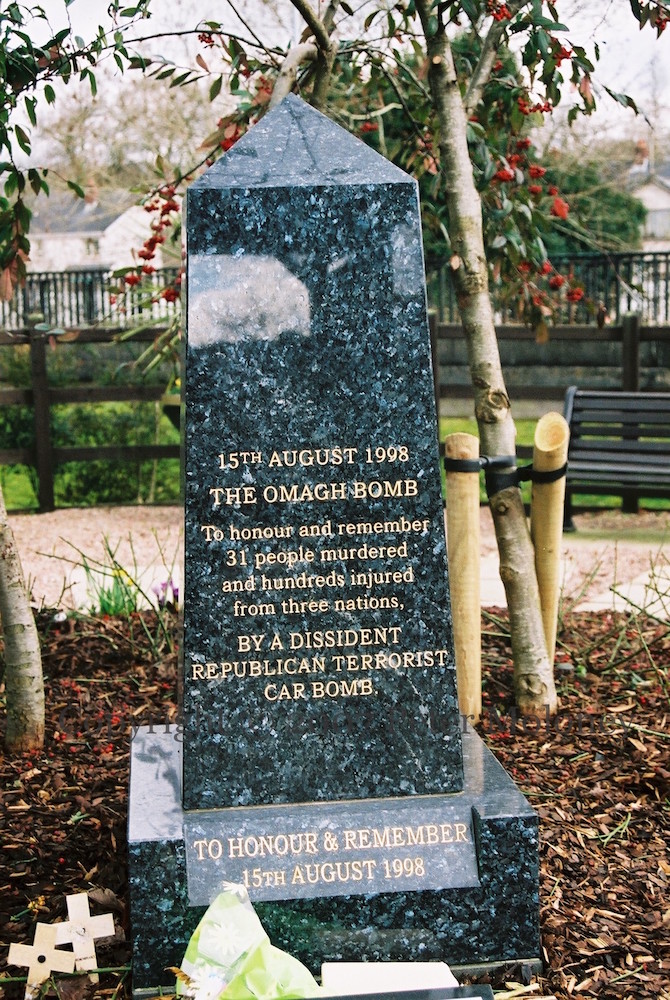

“15th August 1998. The Omagh Bomb. To honour and remembered 31 people murdered and hundreds injured from three nations, by a dissident republican terrorist car bomb.”
The bomb was the work of the Real IRA and came three months after the signing of the Belfast/Good Friday Agreement.
The plaque – “presented by the Omagh Support And Self Help Group to honour the European Day Of Remembrance For Victims Of Terrorism, 11th March 2005, and at our wish unveiled by Dr. W.W. Foster” – is in Spanish (as well as English and Irish) because two of the victims were Spanish holiday-makers.
The memorials shown were temporary, being replaced in 2008 (for the tenth anniversary) by a reflecting pool, mirrors, and engraved stones, one of which repeated the wording included here (BBC-NI).
Drumragh Avenue, Omagh
Click image to enlarge
Copyright © 2007 Peter Moloney
M03486 [M03485] M03484
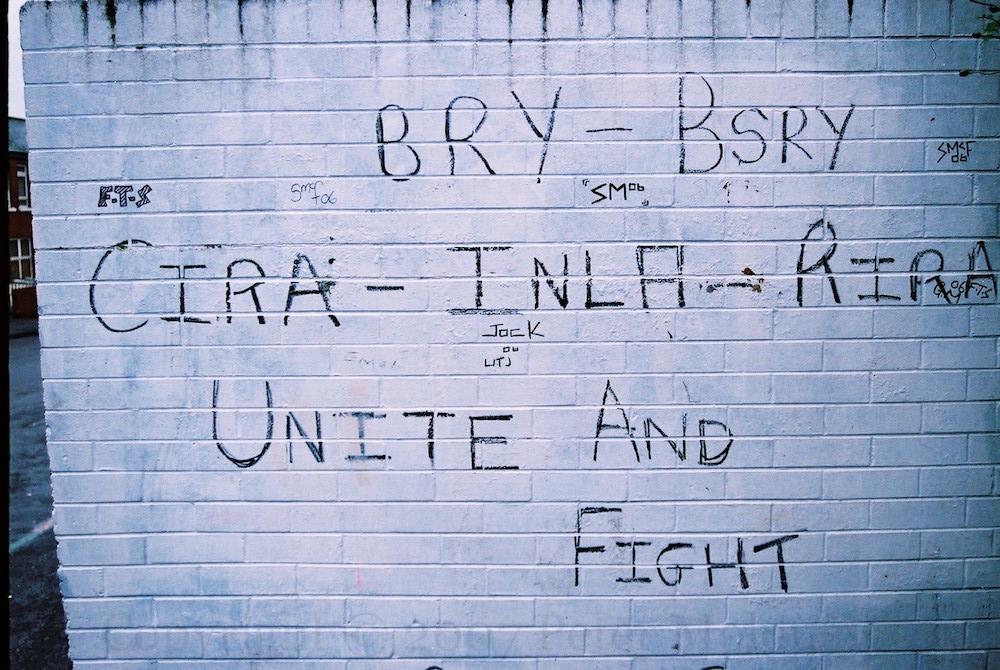
The INLA declared a ceasefire in 1998 but did not begin decommissioning its weapons until 2009. The graffiti shown above (Rossville St, Derry) calls on it to unite with hard-line republicans from the Continuity and Real IRAs.
Click image to enlarge
Copyright © 2007 Peter Moloney
M03406

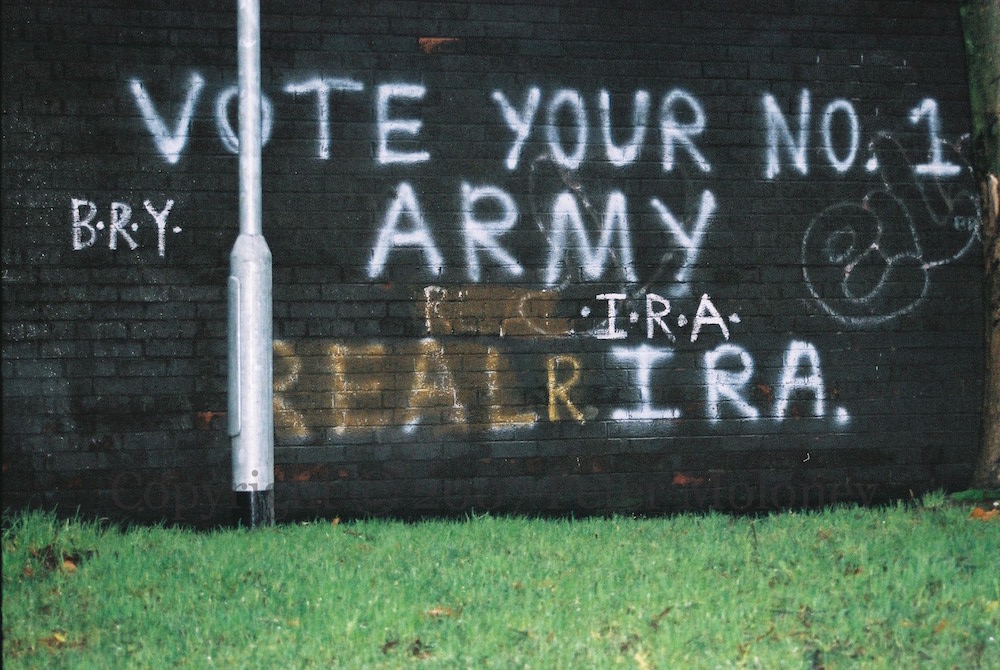
Denis Donaldson, IRA and Sınn Féın member, was killed by a shotgun blast to the chest in April 2006. He was living in a Donegal cottage after being outed as an Mi5 and Special Branch informer. The Real IRA later (2009) claimed responsibility. Next to that graffiti is “Vote your No. 1 army” (previously seen in 2005) with a number of modifications: it looks as though “Real” was replaced with “C” (Continuity IRA) and then all of the modifiers have been deleted in favour of simply “IRA”.
Gartan Square, Derry
Click image to enlarge
Copyright © 2007 Peter Moloney
M03402 M03403

